Picture Story – Chad Baloy

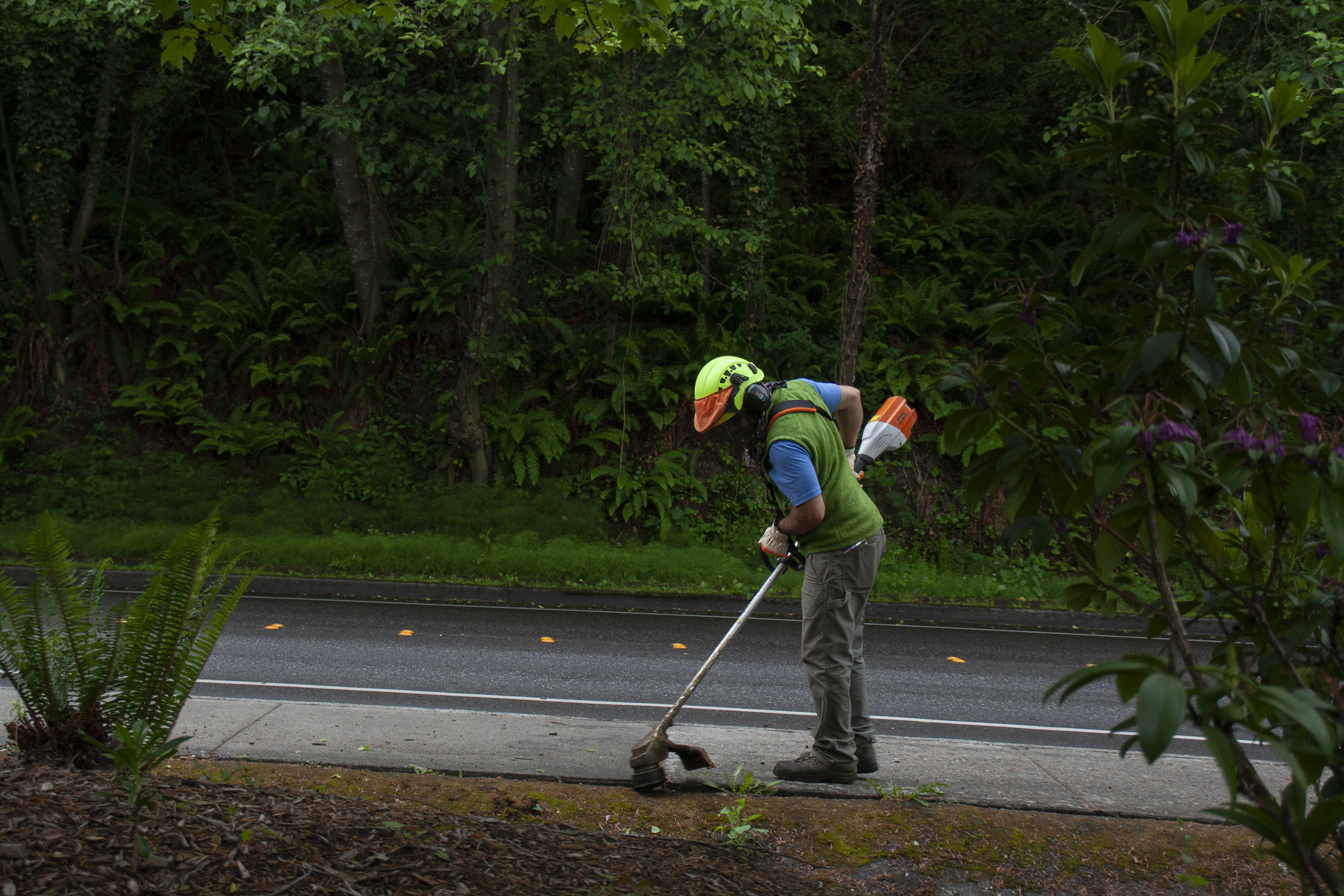
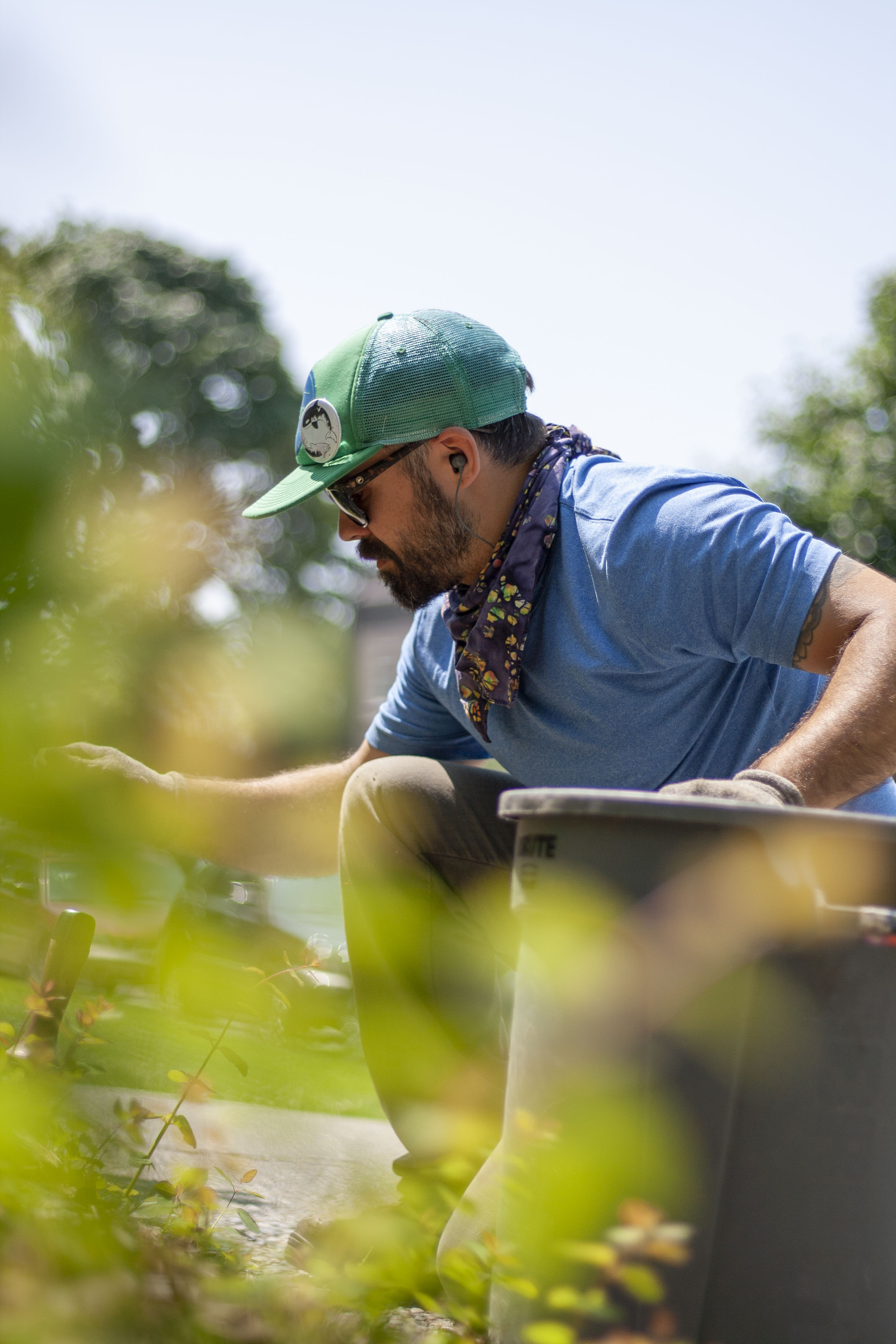
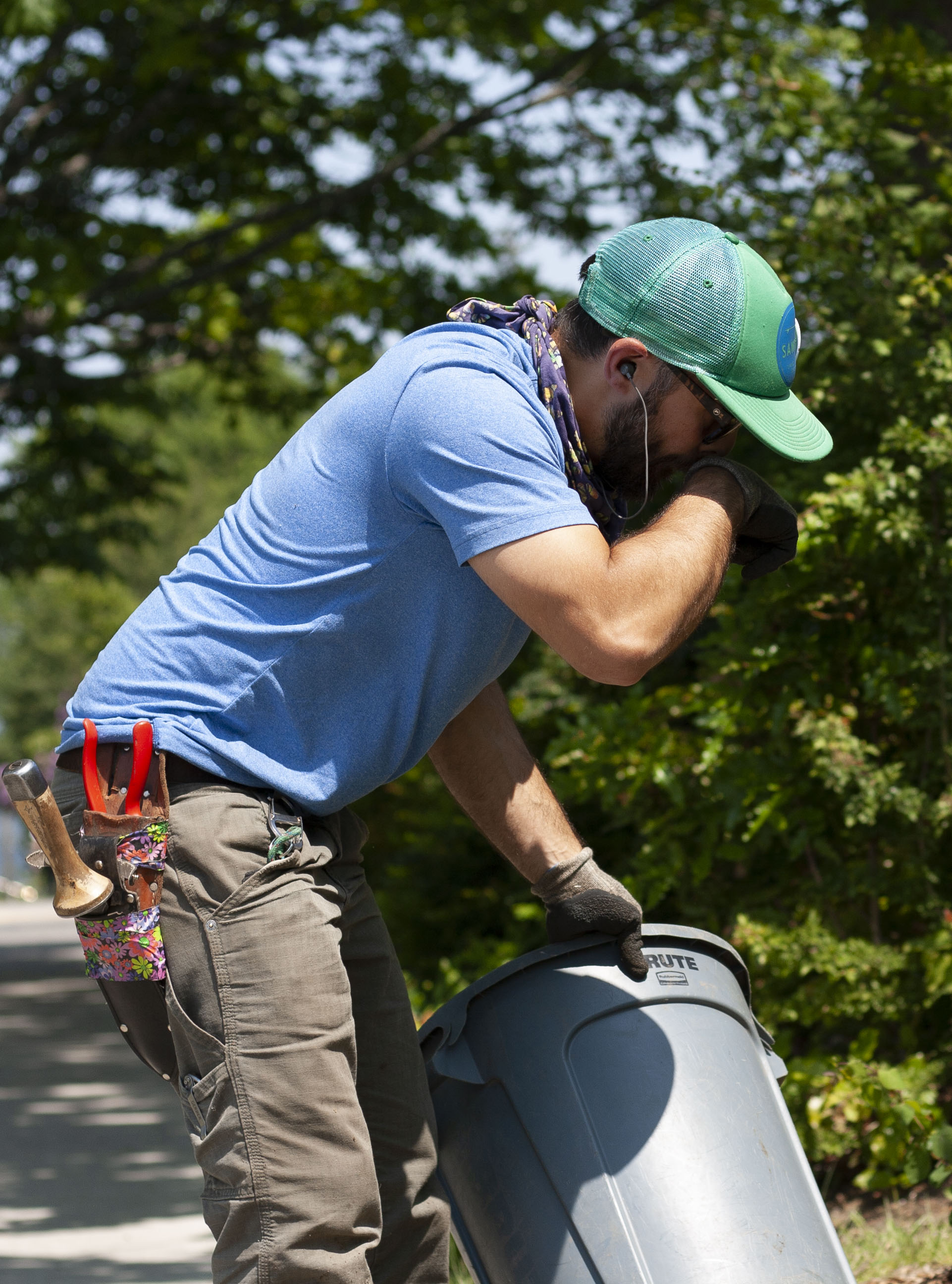
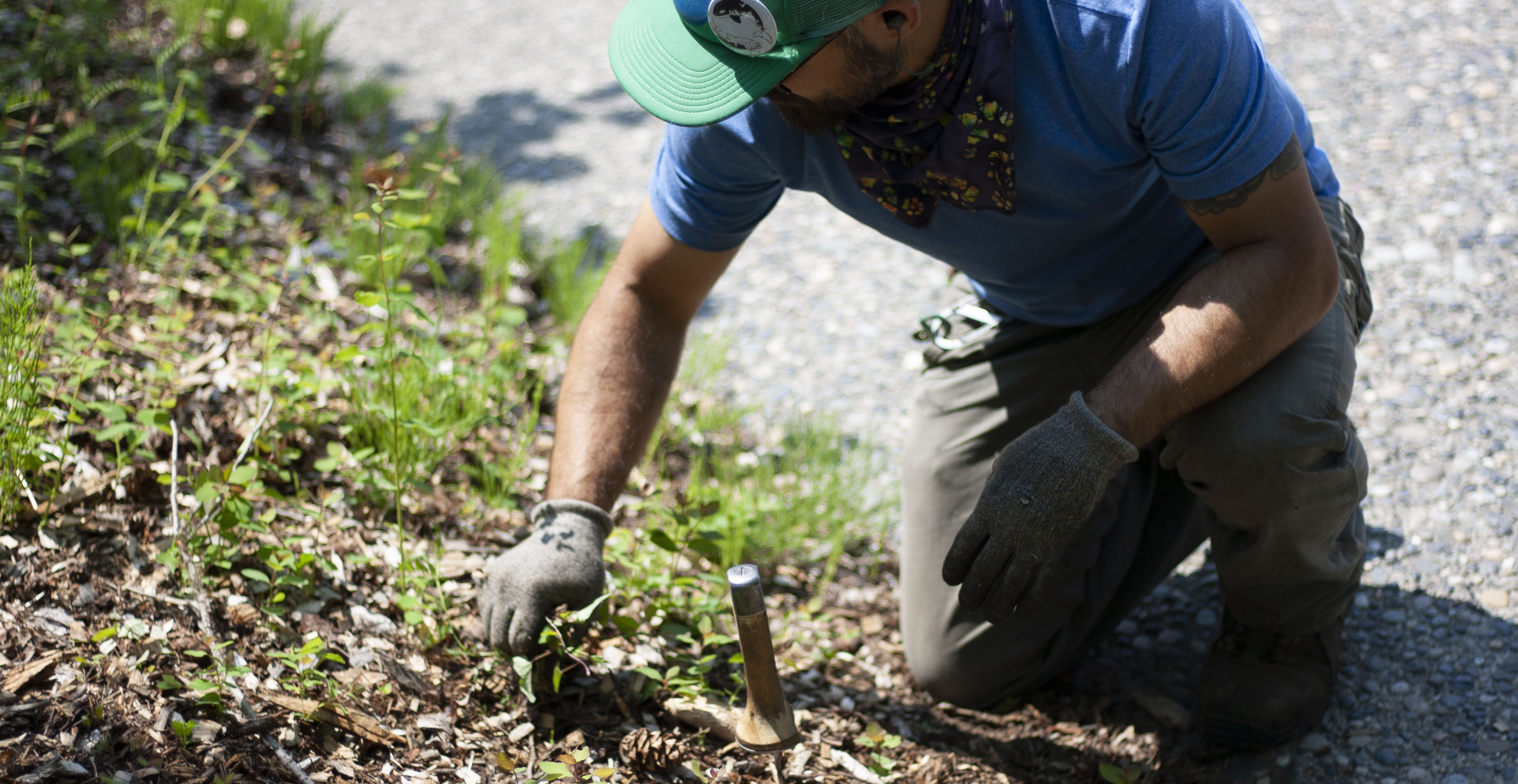
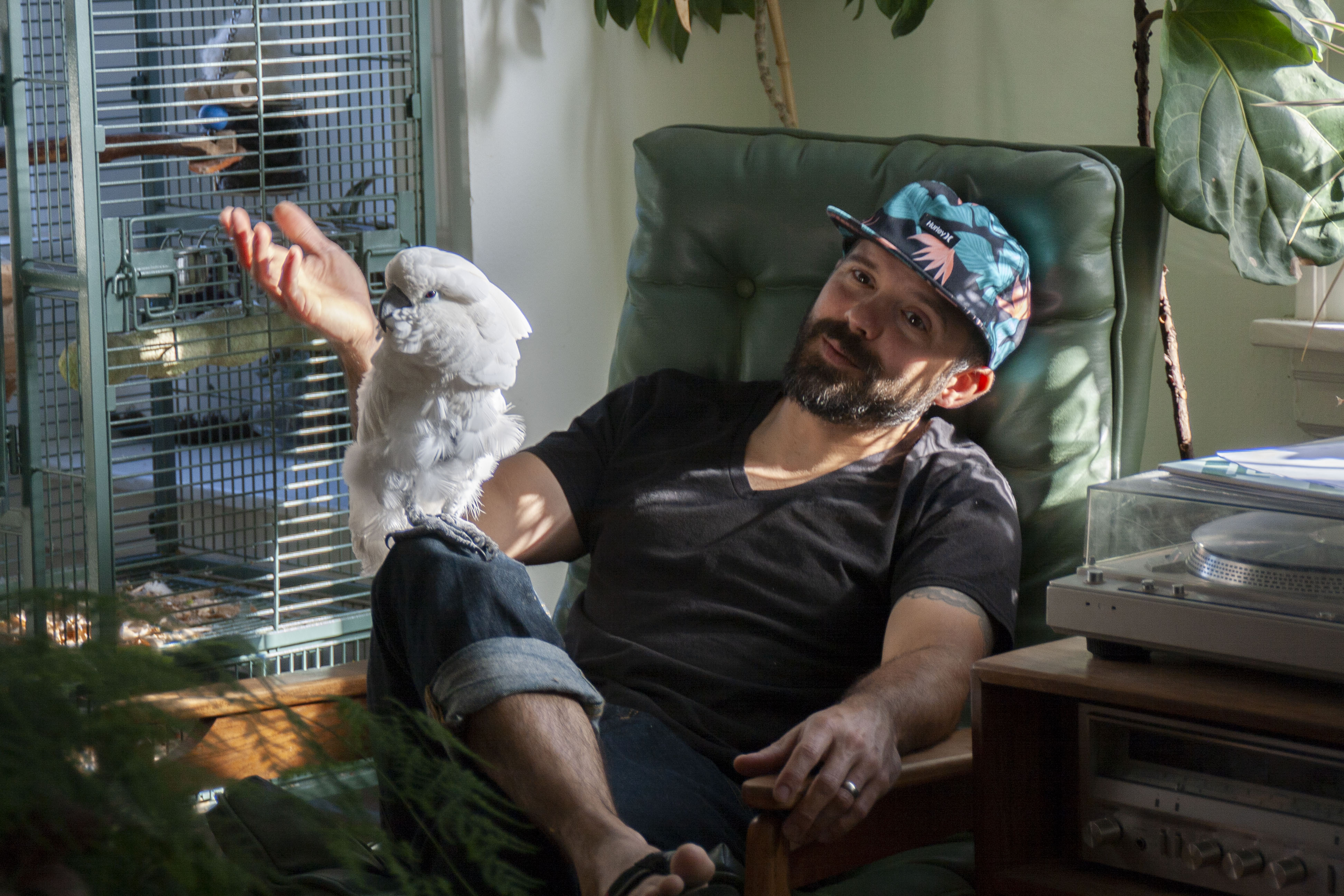
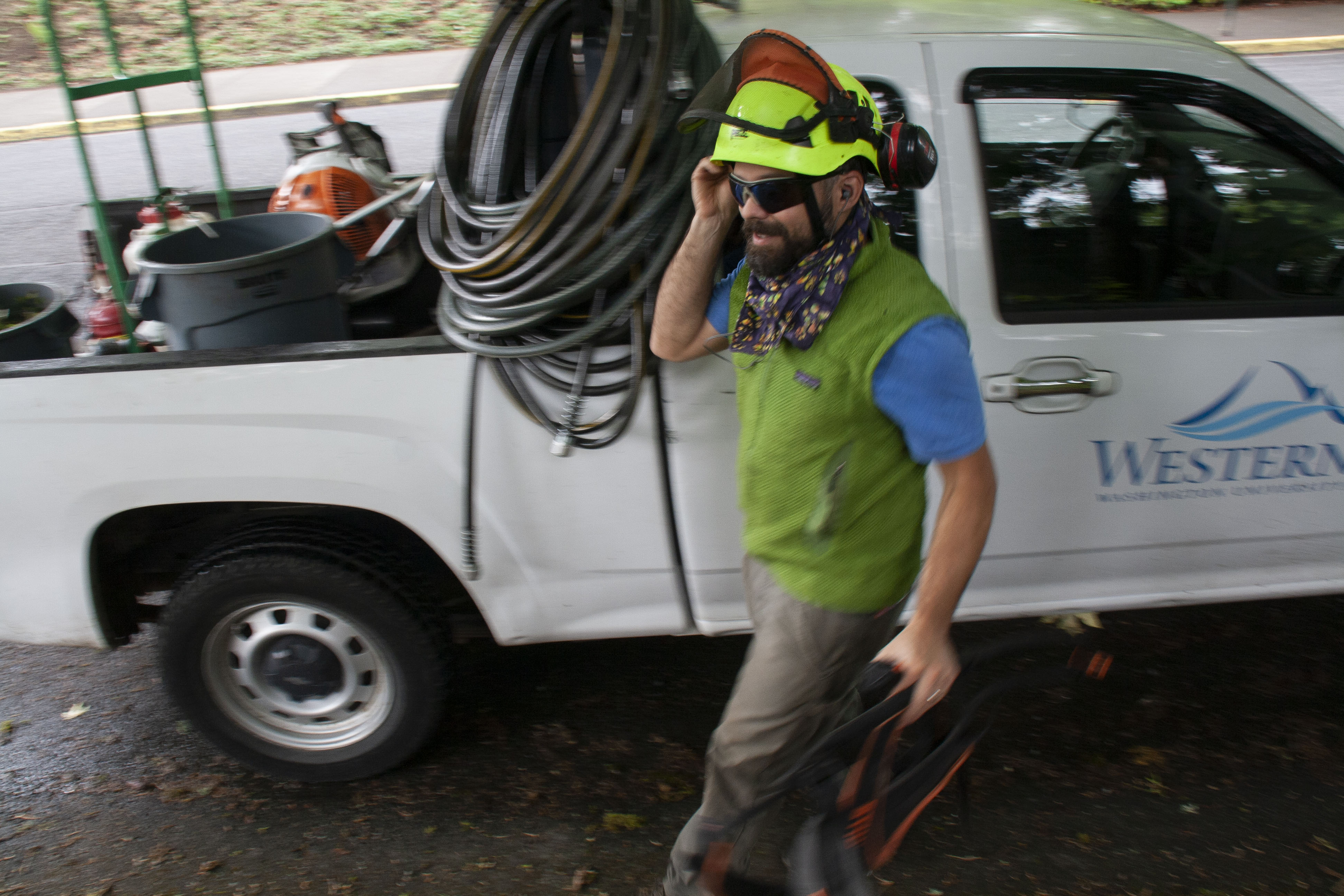
For the past couple of weeks, I had the opportunity to shadow Chad Baloy. Chad works not only at Western Washington University (WWU) in Bellingham, Washington, but he works on the university.
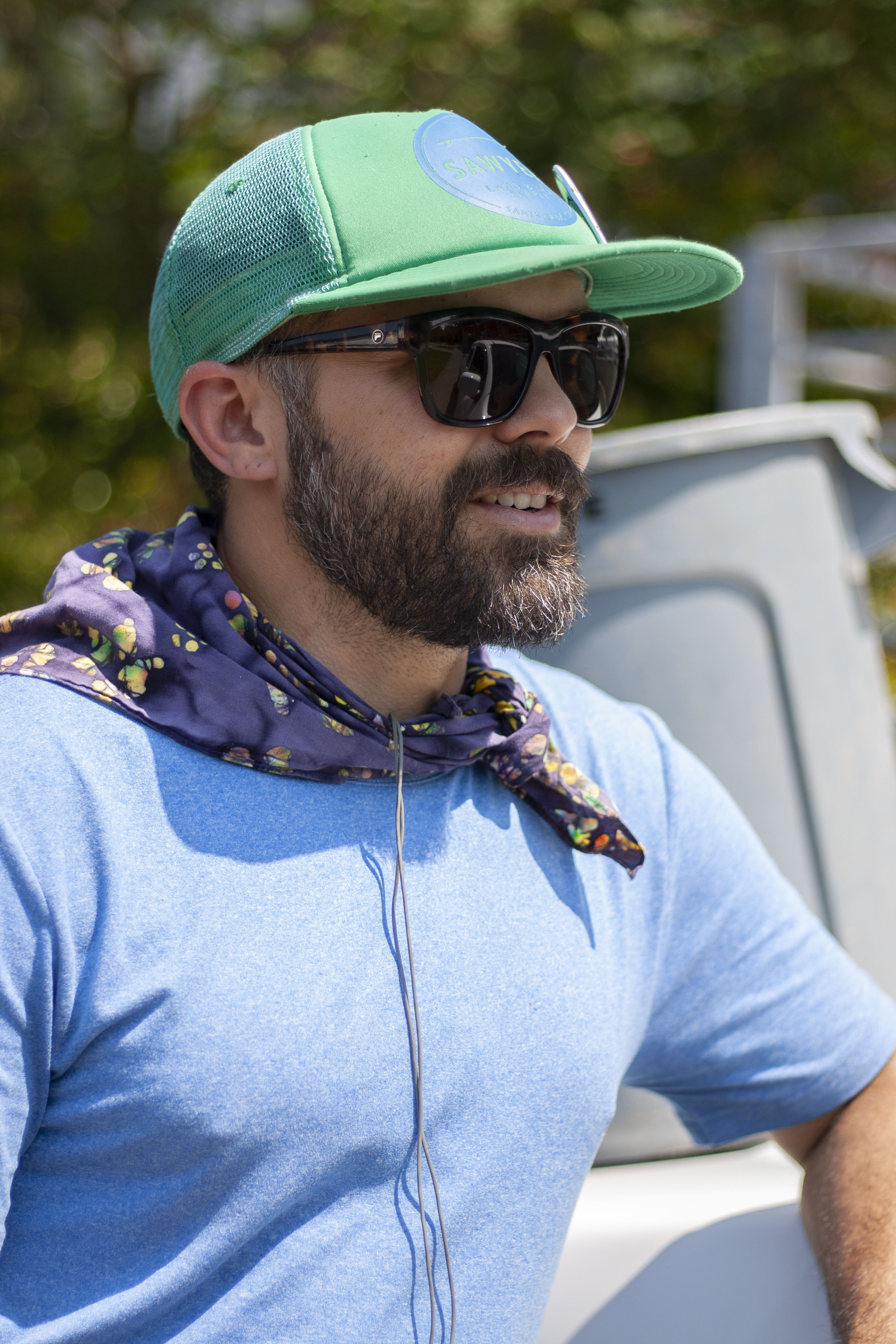
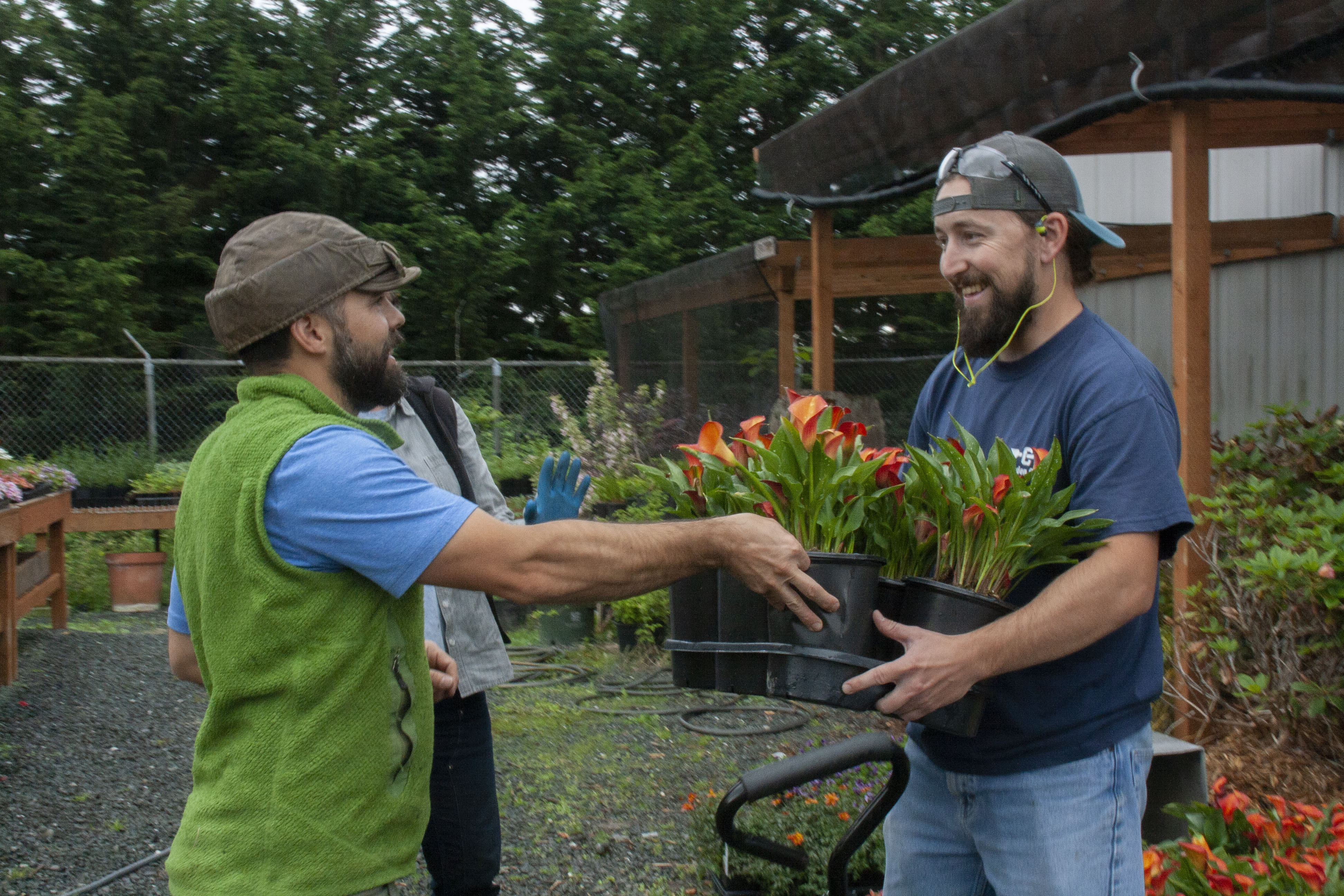
Chad Baloy talks about his job at Western Washington University in Bellingham, Washington, on Thursday, May 30, 2019. (Photo by Faith Owens)

Chad is a gardener and groundskeeper at WWU, working to tend to and beautify all the plants that everyone passes by every day. He has been doing so for about two and a half years and is responsible for the northern section of campus that stretches the width of North Garden Street to High Street and the length of Oak Street to Highland Drive. There are eight gardeners on WWU’s campus, each responsible for an assigned section of campus.
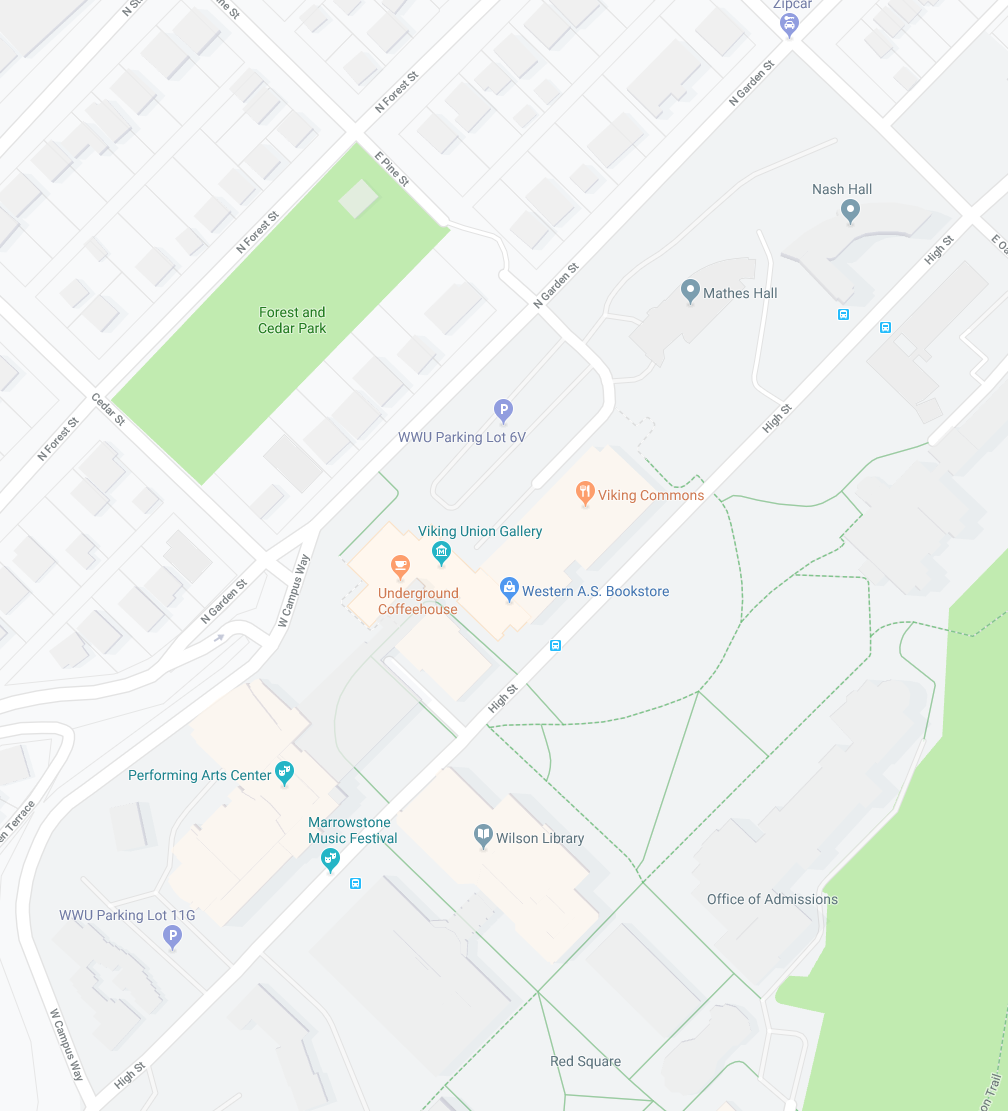
The section bordered by North Garden Street, West Campus Way, High Street, and East Oak Street is the section for which Chad is responsible.

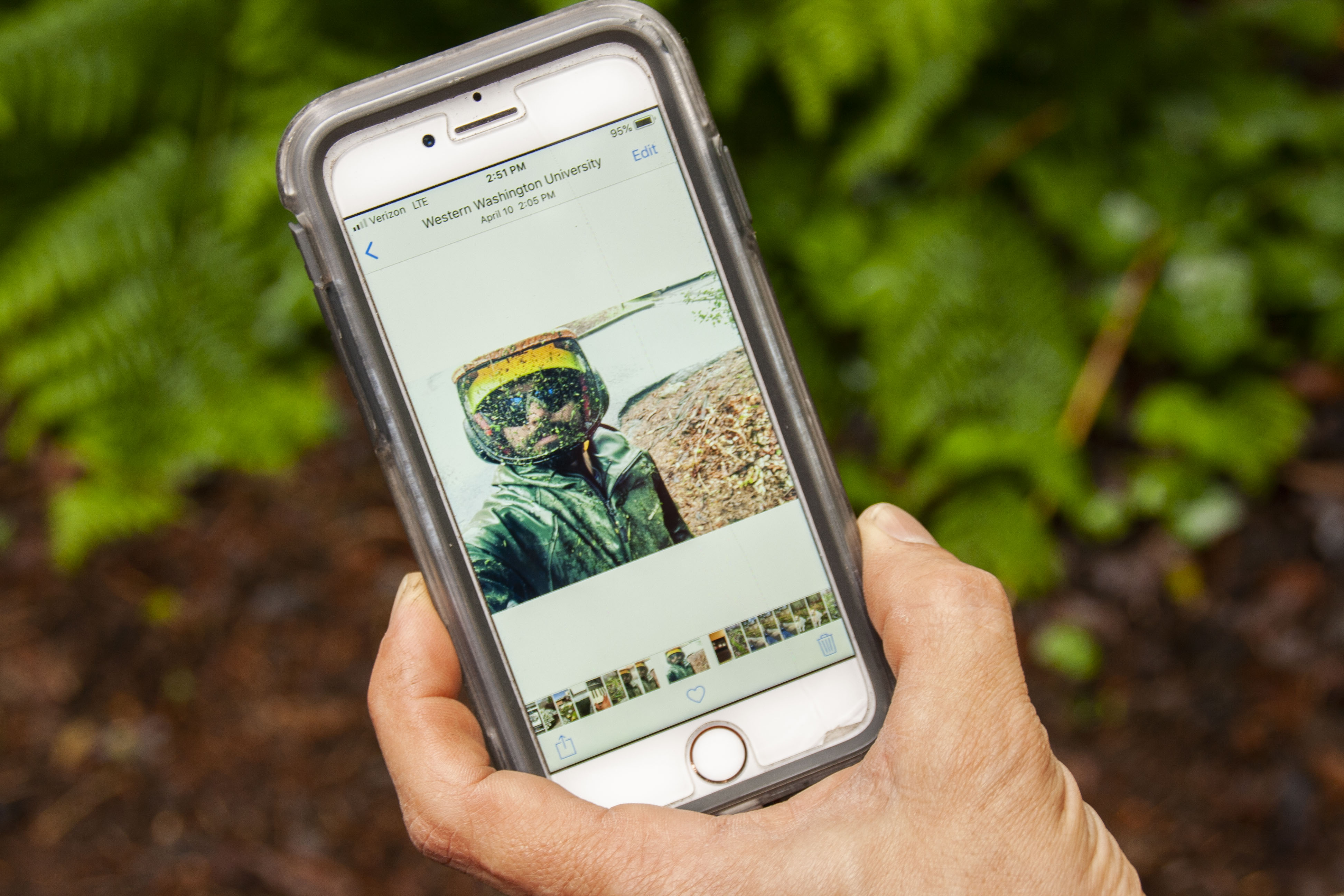
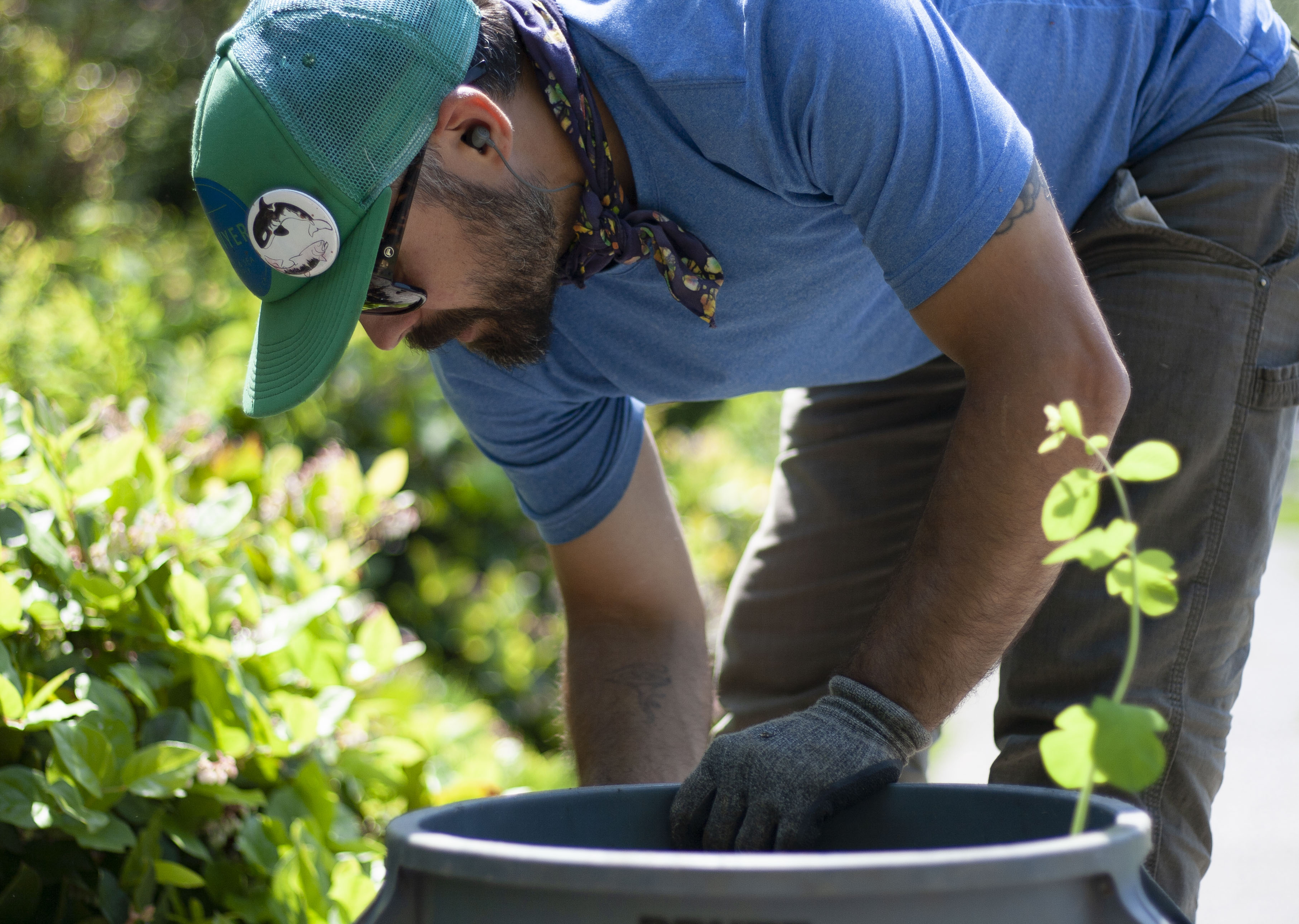
Some of Chad’s duties include weeding, weed eating, pruning and trimming hedges, raking, and planting. It is essentially up to the gardener what they choose to do during the day and as far as choice of plants go, the groundskeeper has lots of flexibility.
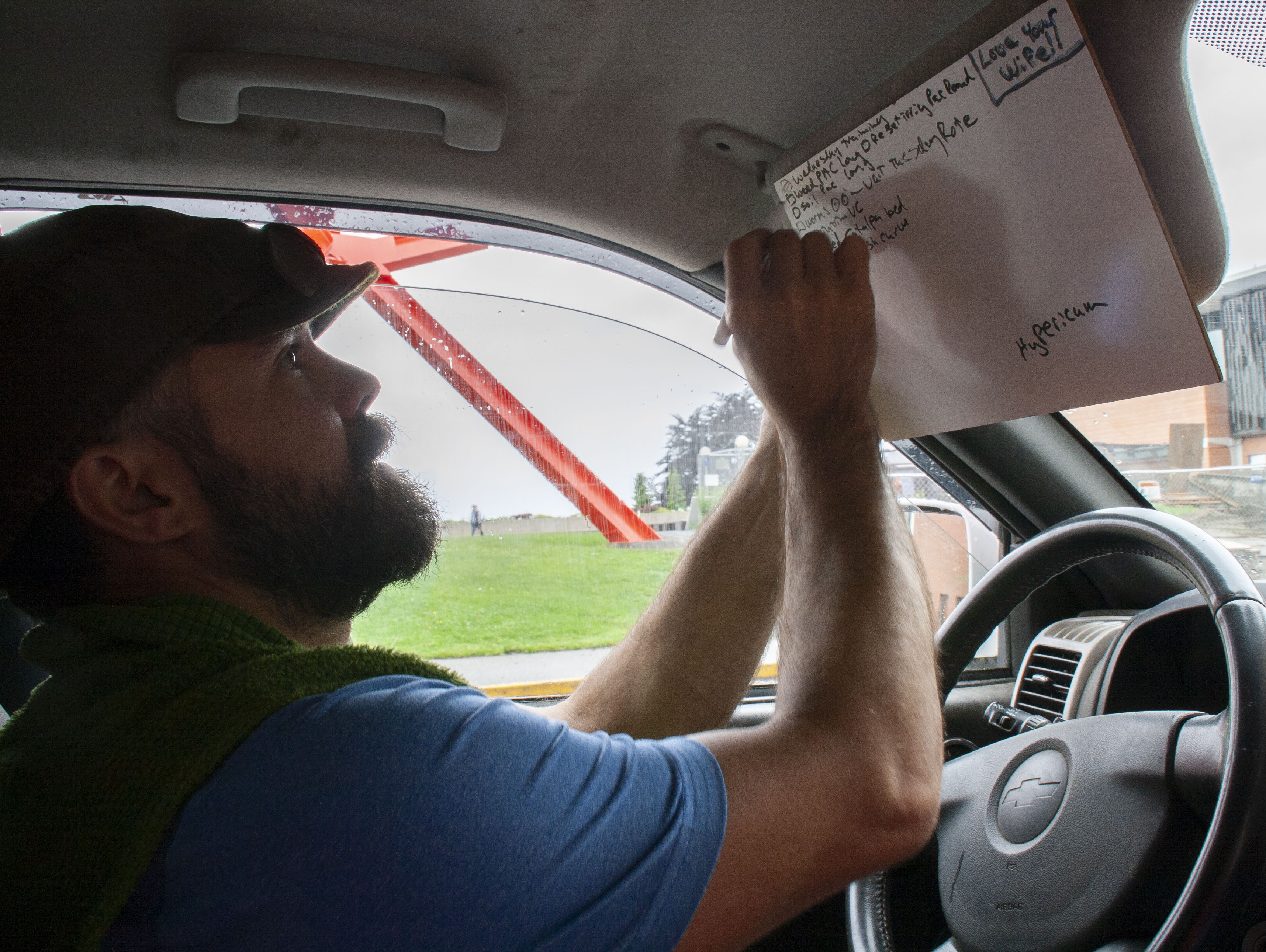
Chad Baloy checks his daily to do list at Western Washington University in Bellingham, Washington on Friday, May 24, 2019. (Photo by Faith Owens)

Basic supplies are kept in his truck supplied by the university, but most equipment is kept at a facility just outside of campus. When needed, Chad drives there for flowers, mechanical equipment, and other supplies.

Chad considers the plant beds at the Mathes Hall dormitory to be his success story, removing lots of tall, dense weeds.

The Mathes bike garage, which was originally hidden behind all of the weeds, was dark and potentially dangerous. There were spots in the tall weeds where people, both students and non-students, would go to drink and do other concealed activities. Now, the area is well kept with spacious floral bushes and small trees.
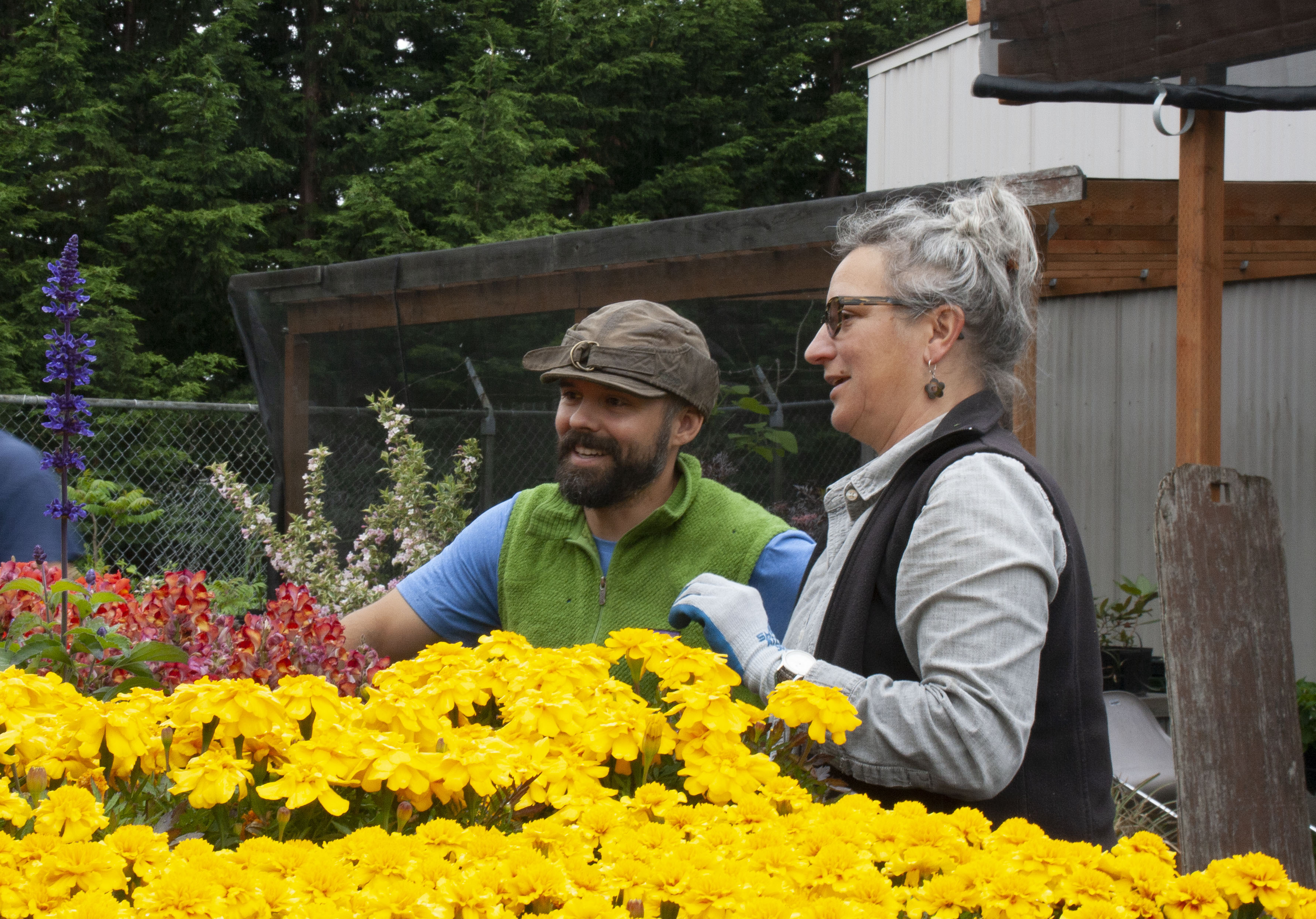
Chad Baloy and Dawn Preuss sort through flowers at Western Washington Univeristy in Bellingham, Washington, on Friday, May 24, 2019. (Photo by Faith Owens)

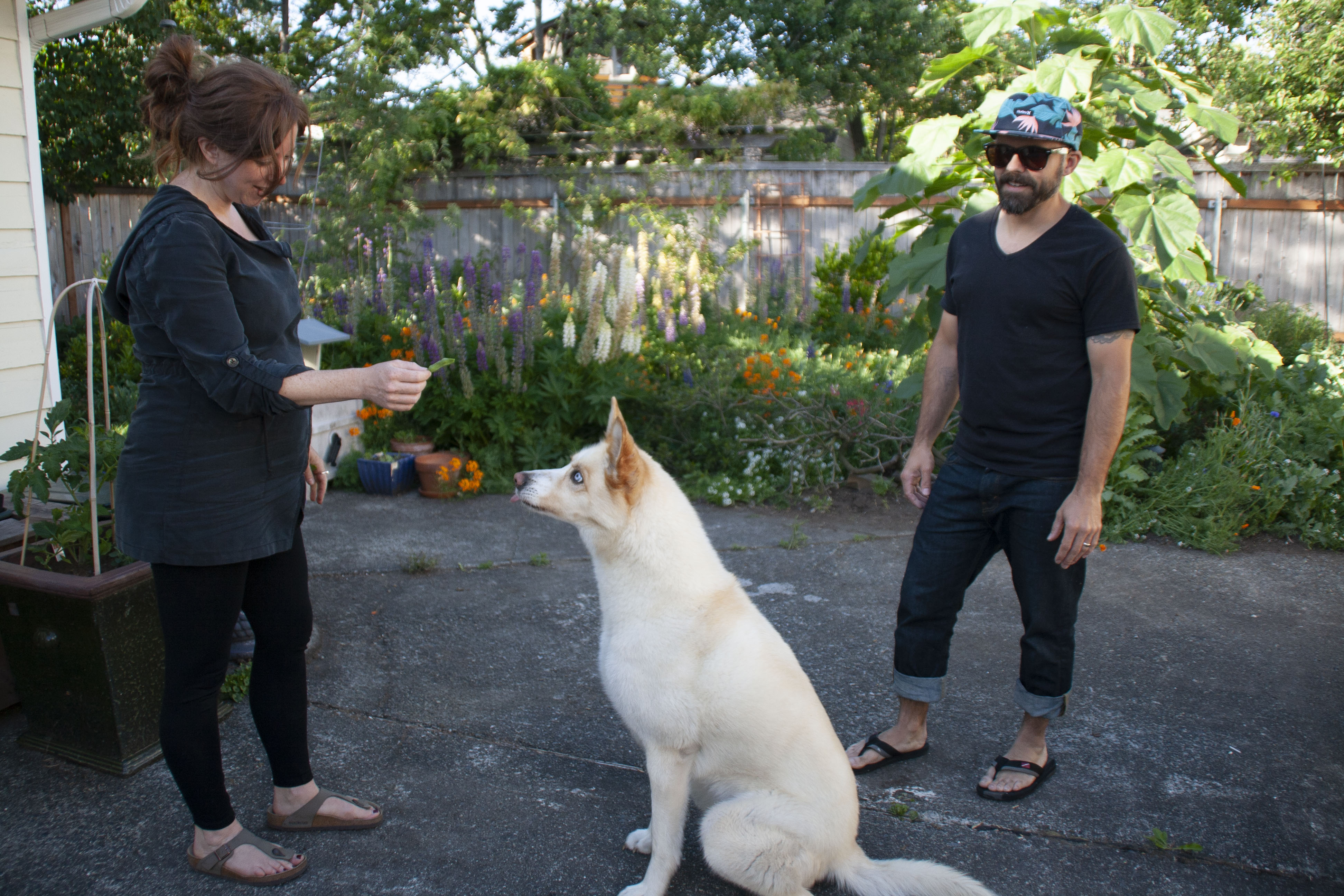
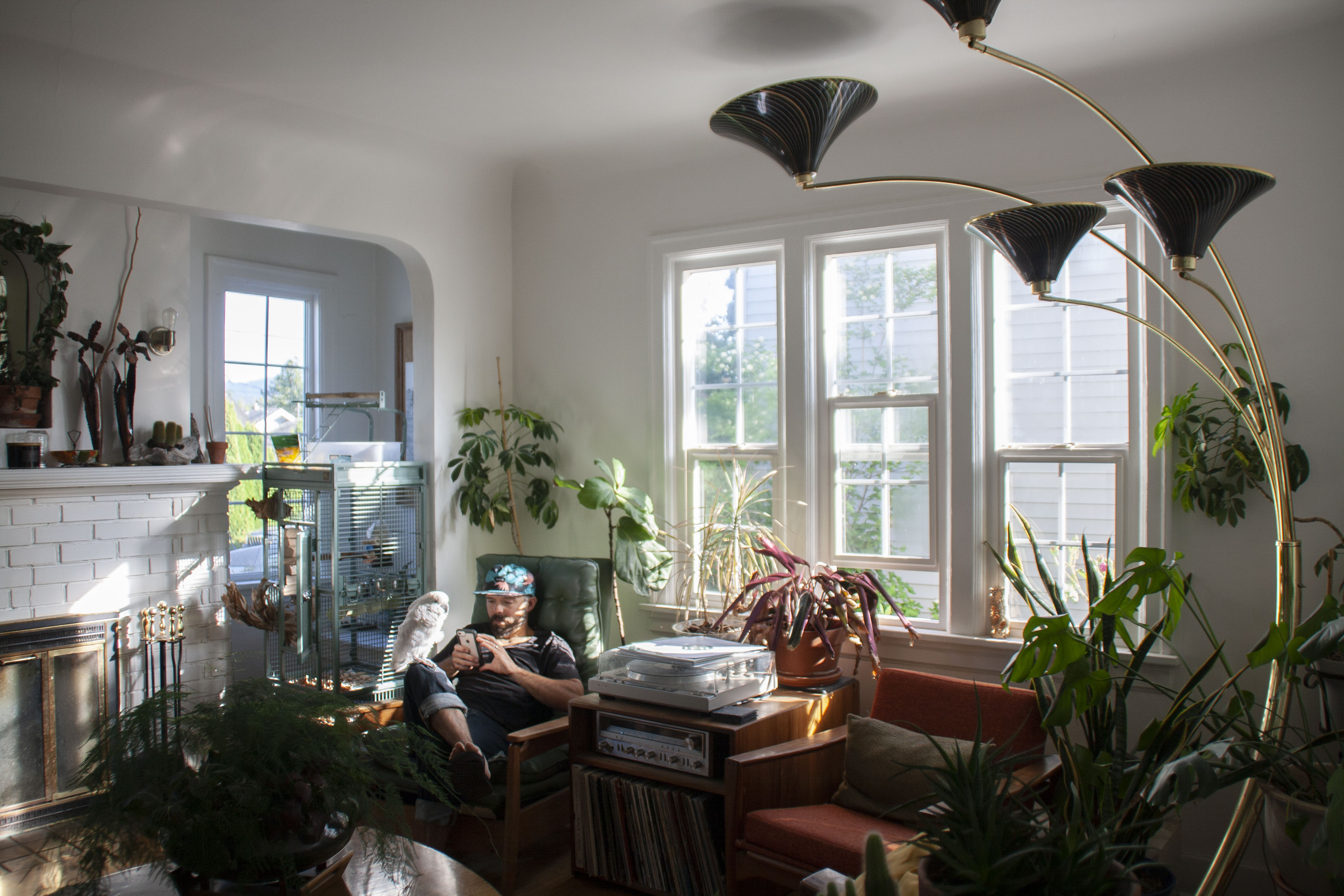
At the end of the work day, Chad returns home to a quaint stucco home filled with eclectic mid-century modern furnishings, plants, his wife Natalie, two dogs, a bird, and soon enough, a baby. The backyard reflects Chad’s work on campus coupled with Natalie’s appreciation for food gardening – they maintain a decent sized garden that is abundant with plants of all types.

It is clear that Chad is passionate about what he does and is very knowledgable in the subject. My intention of this project is to bring to light the work that people do on campus that may be appreciated, but is often overlooked. When you pass by the garden beds on your university’s campus, apartment complex, local park, or anywhere else, be sure to appreciate the upkeep that someone put into putting it there for you to see.
The Unnamed Photographers

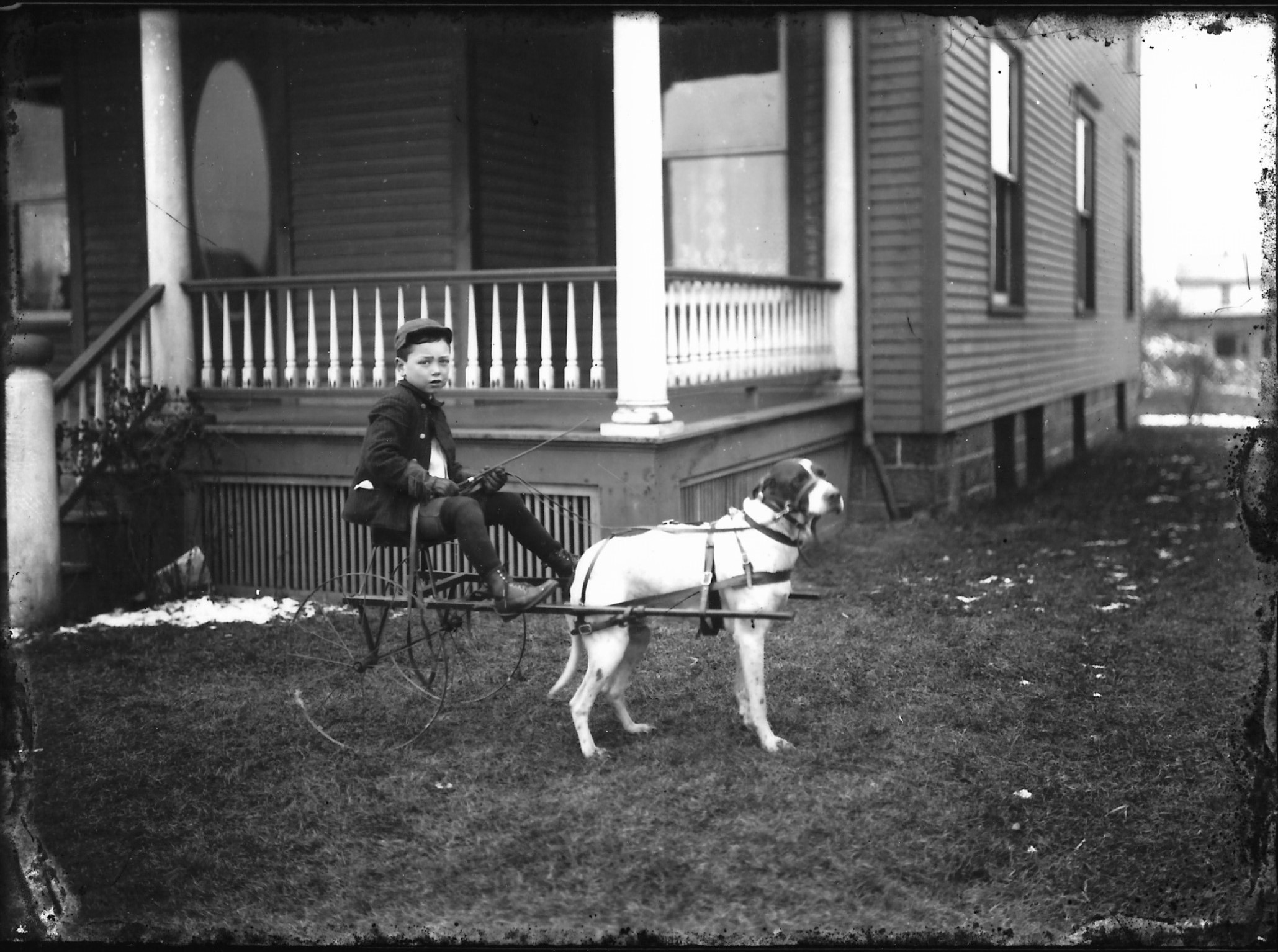
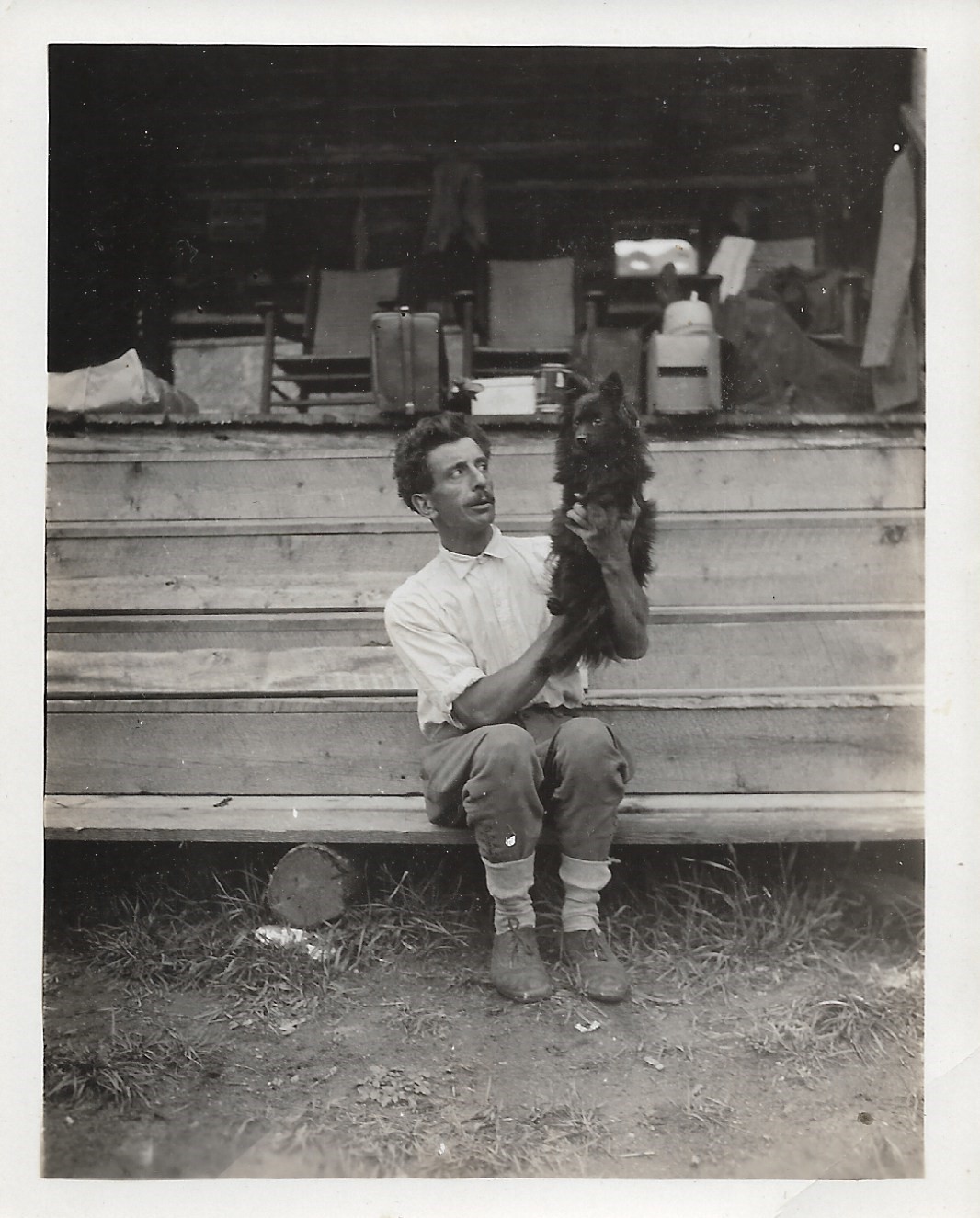
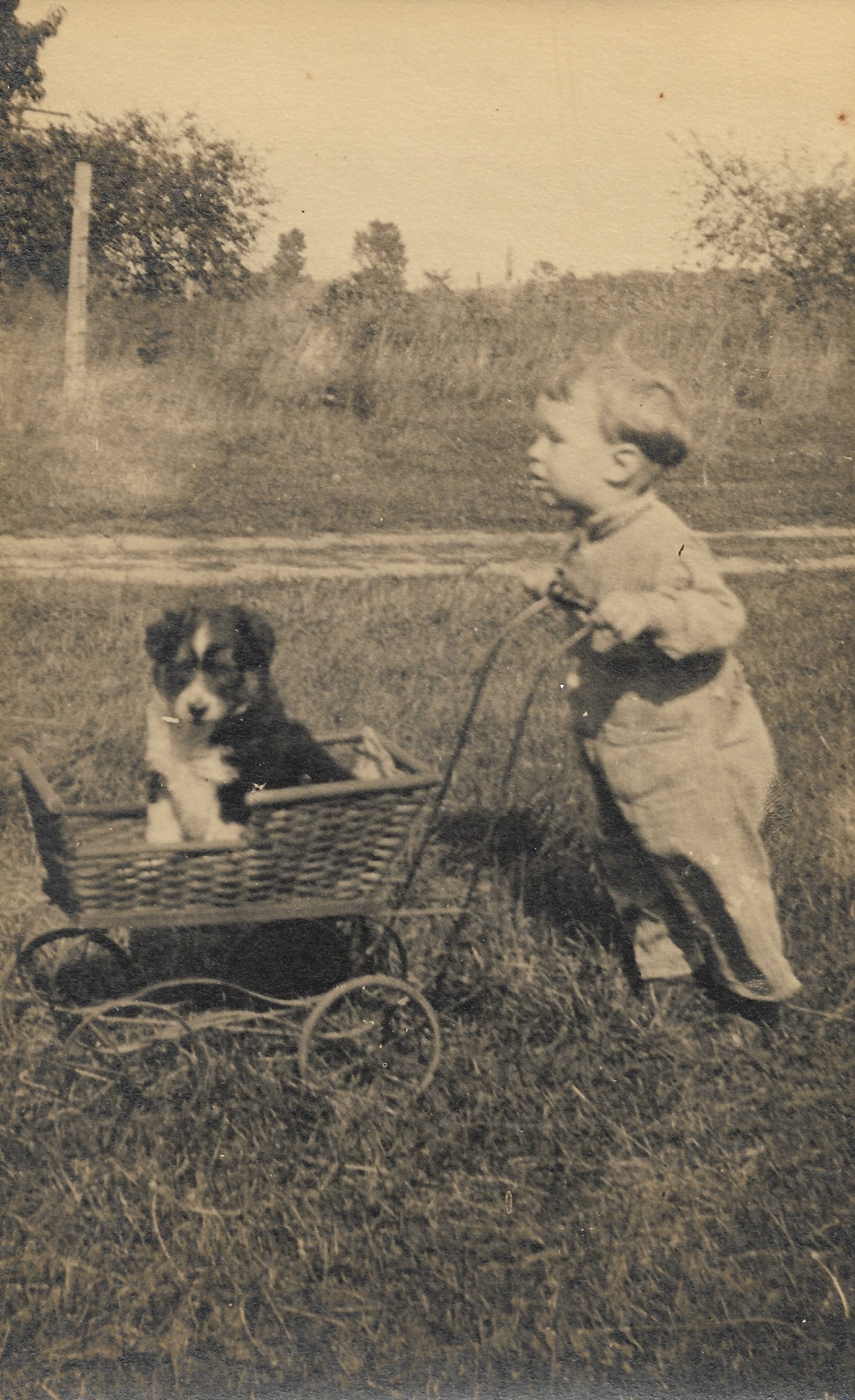
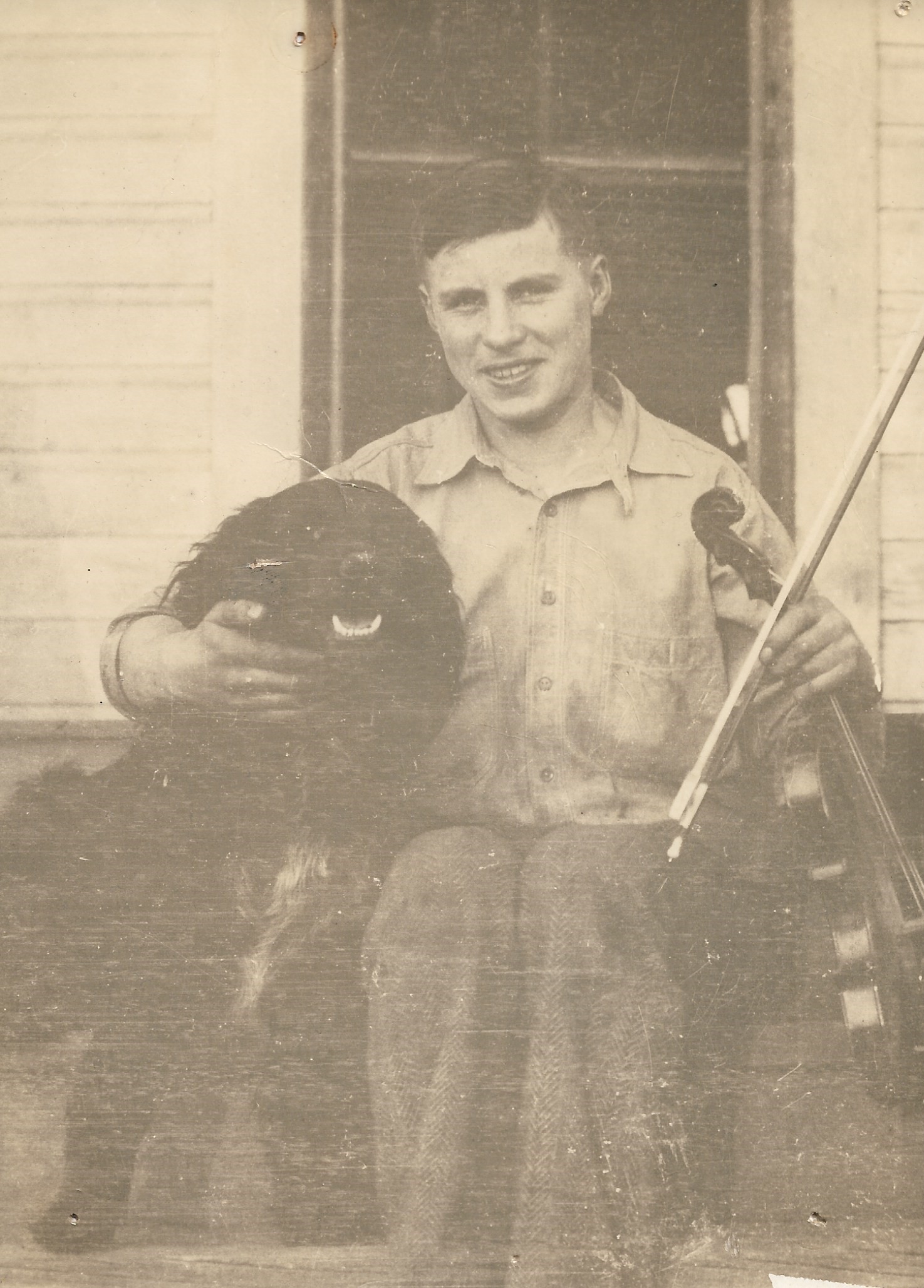
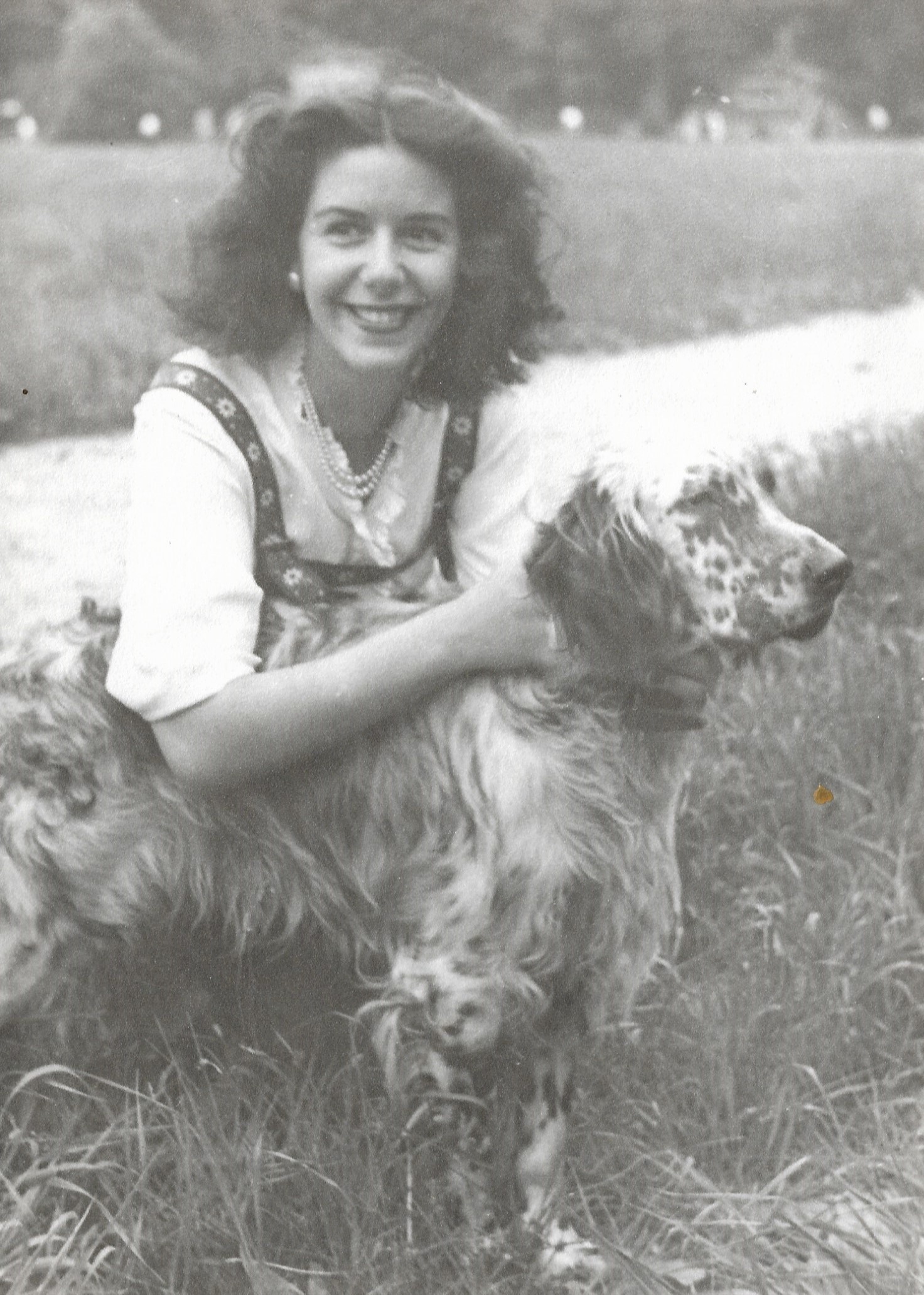
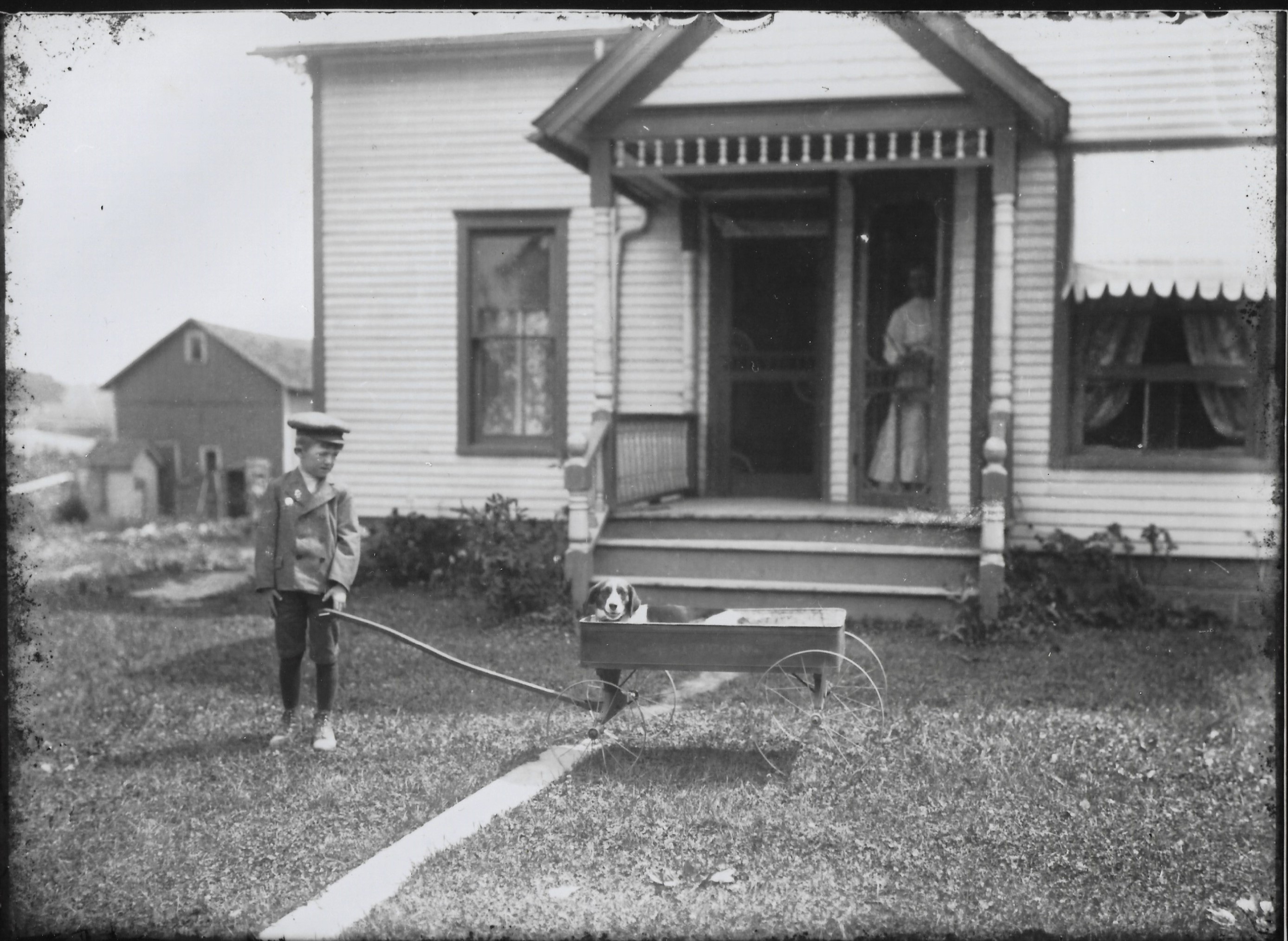
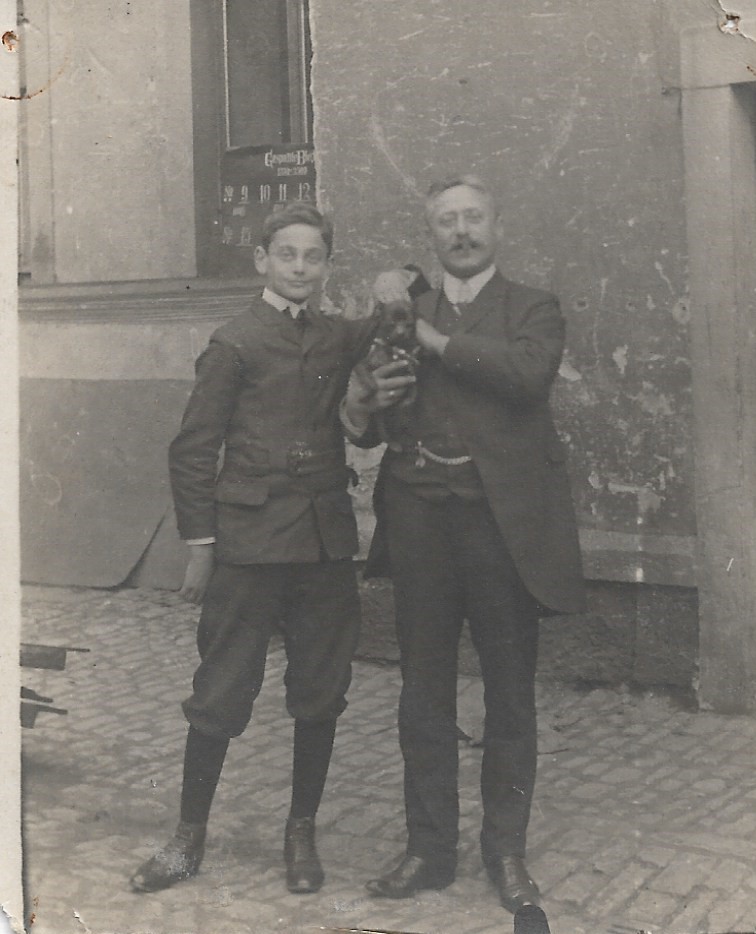
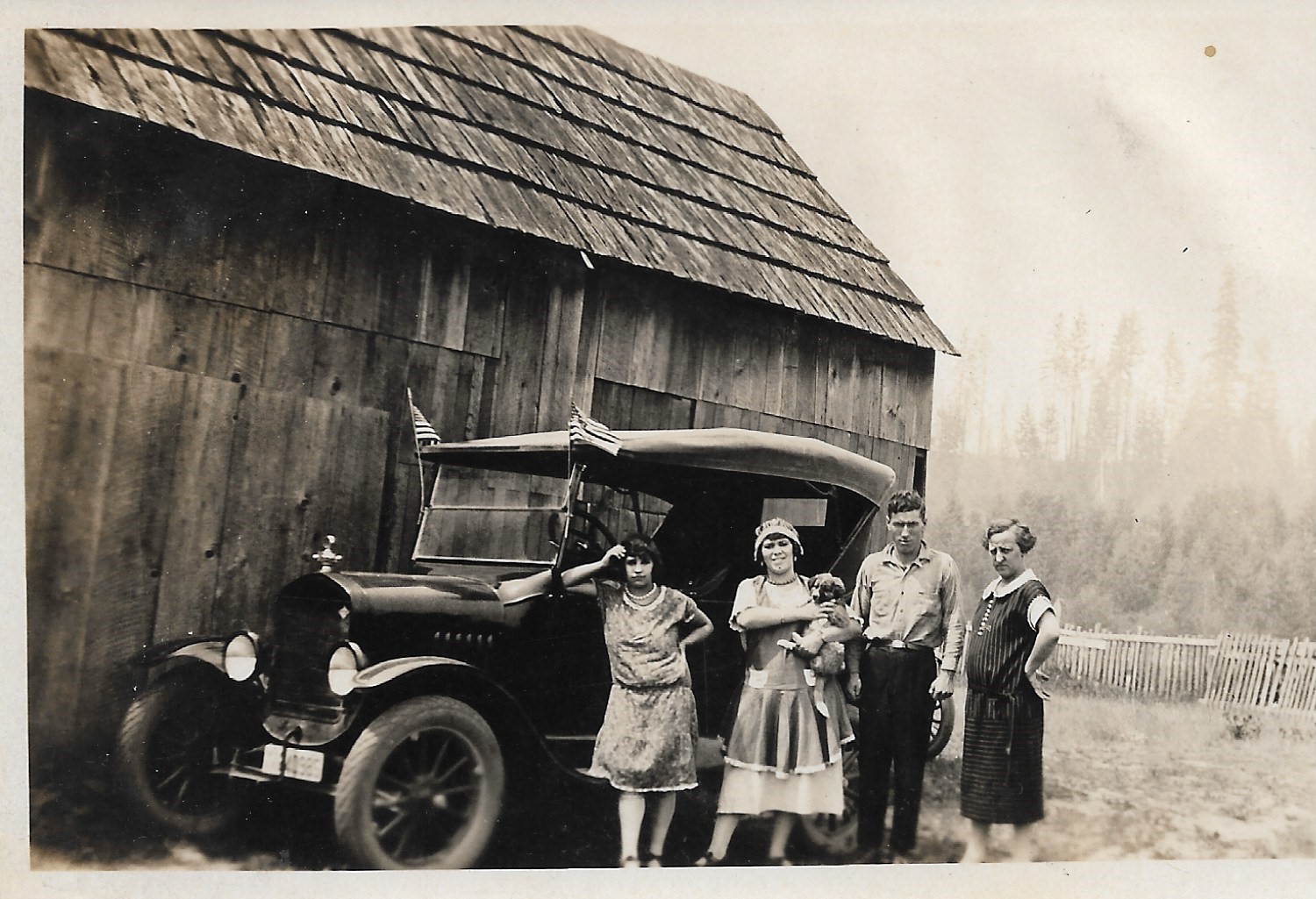
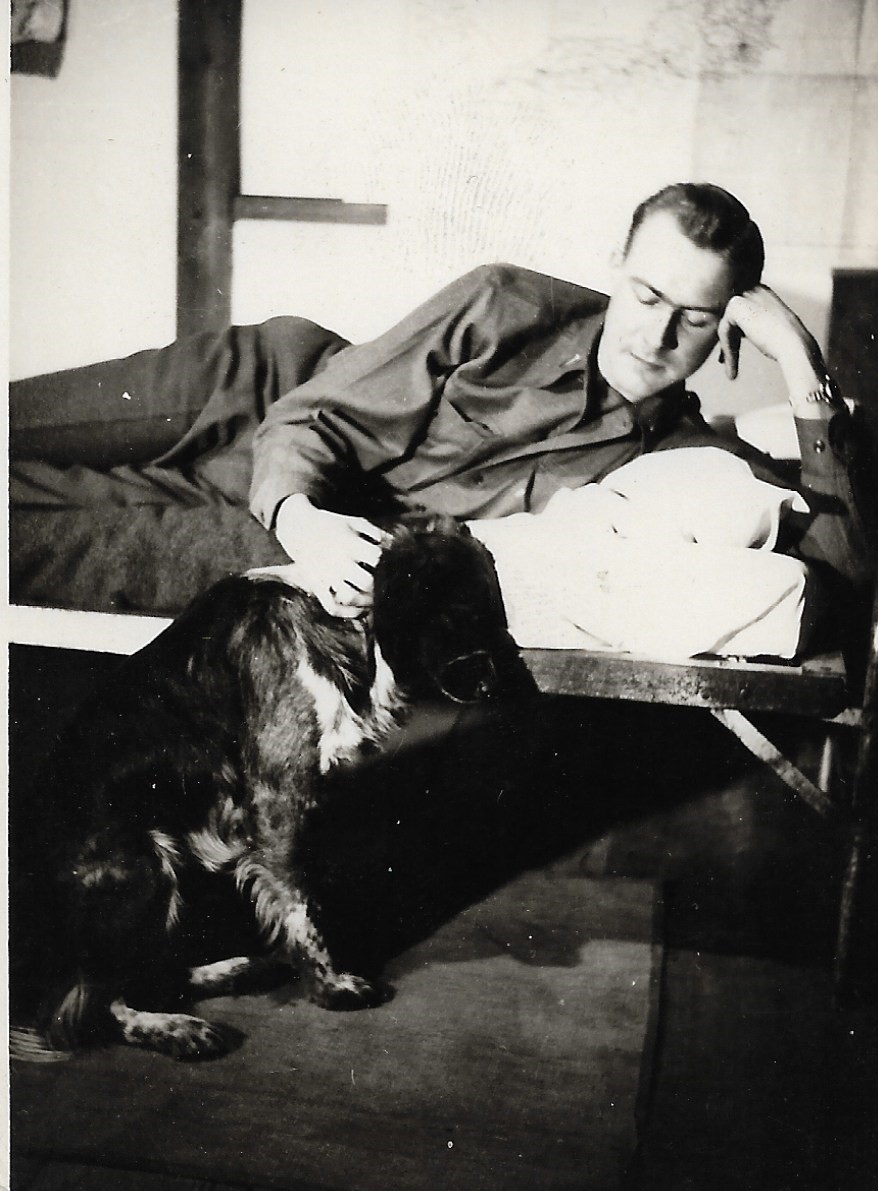
I own nearly a thousand old photographs, all containing dogs. Almost all of them are snapshots, and I bet not one of them has the photographer’s name written anywhere on it. There are several photos that I consider to be on the level of Elliott Erwitt’s work with dogs, yet they are simply snapshots that have been separated from their families and are now in my hands.

It was difficult to choose which photos to feature in this post – I would post them all if I could.

I wanted to share some not that are only visually interesting, but where you can sense the personality the dog played in the family and whether it was just something to own or if it was truly a member of the family.

This is an ode to all the photographers who found their dogs interesting enough to use precious film on them. Even if the dog is just lying in the background or the photo or was clearly hardheaded enough to have to sit in the front row of a family portrait. This is to the photographers who carried their cameras to capture the little and big moments that I now possess.

The photo above is one of my personal favorites – there is so much to the single snapshot. The peculiarity of the man’s appearance as if he is an artist or maybe a circus traveler. The fact that the house, or maybe just the porch, is on logs and cluttered foreground contains millions of stories within itself. Is the man showing off the dog, or playing with it as if it were a puppet or a statue? The composition of the photo and moment it captured is thrilling and sparks many possibilities of the situation.

Deadline Feature Photos

I was initially intimidated when I found out that we had about two hours to shoot photos with given themes that we didn’t know about until that day. I was worried that I wouldn’t be able to find photos that fulfilled the requirements and then having to edit and submit them. However, when I went out and started shooting after having received the requirements, I felt somewhat underwhelmed.

Kim Masser serves a drink at The Underground Coffeehouse at Western Washington University in Bellingham, Washington, on Wednesday, May 29, 2019. (Photo by Faith Owens)
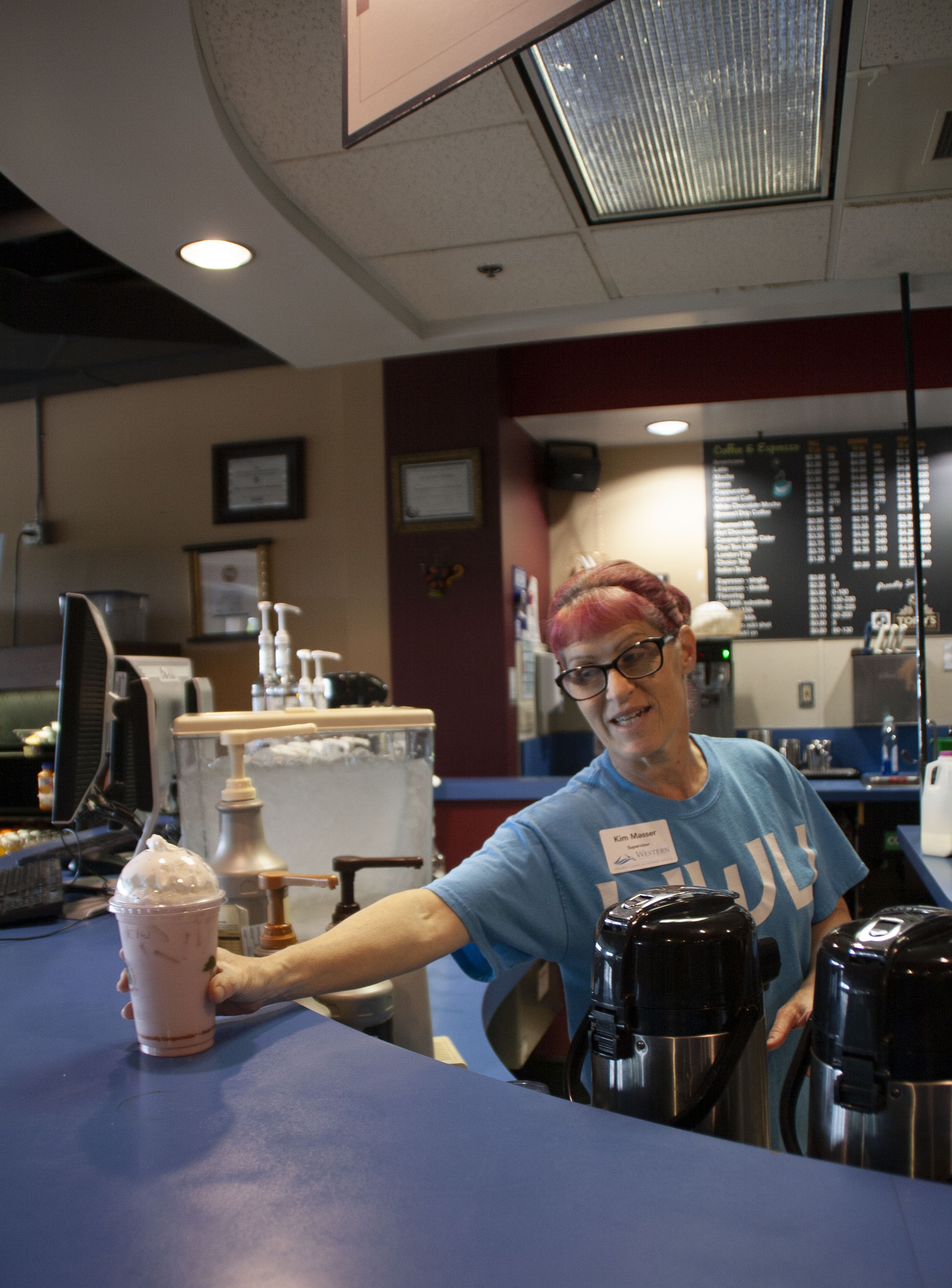
I wandered around campus looking for photos that could fall under the options that I was most interested in from the assignment – studying on campus, “a slice of life,” and campus maintenance. I wandered around and couldn’t immediately see any maintenance happening to buildings, garden beds, etc., so I figured I hit the hot spots of studying and busy work without going to the library where the sound of my camera could be distracting.

I found Kim Masser slinging coffee at The Underground Coffeehouse on WWU’s campus. I had met her before and she waved a hello, but quickly went back to maneuvering her way around the coffee bar, so I proceeded to take photos of her doing what she does best.

After photographing Kim, I made my way around the coffeehouse to find a few people studying, and sought out those who were working beside windows that offered lots of interesting background patterns and shapes. I snapped what I thought were decent photos, but it wasn’t until I went to edit them that I found the subject, Elizabeth Walsh, was out of focus. I learned from this always to double and triple check shots before being so confident that they worked!

Elizabeth Walsh studies at Western Washington University in Bellingham, Washington on Wednesday, May 29, 2019. (Photo by Faith Owens)
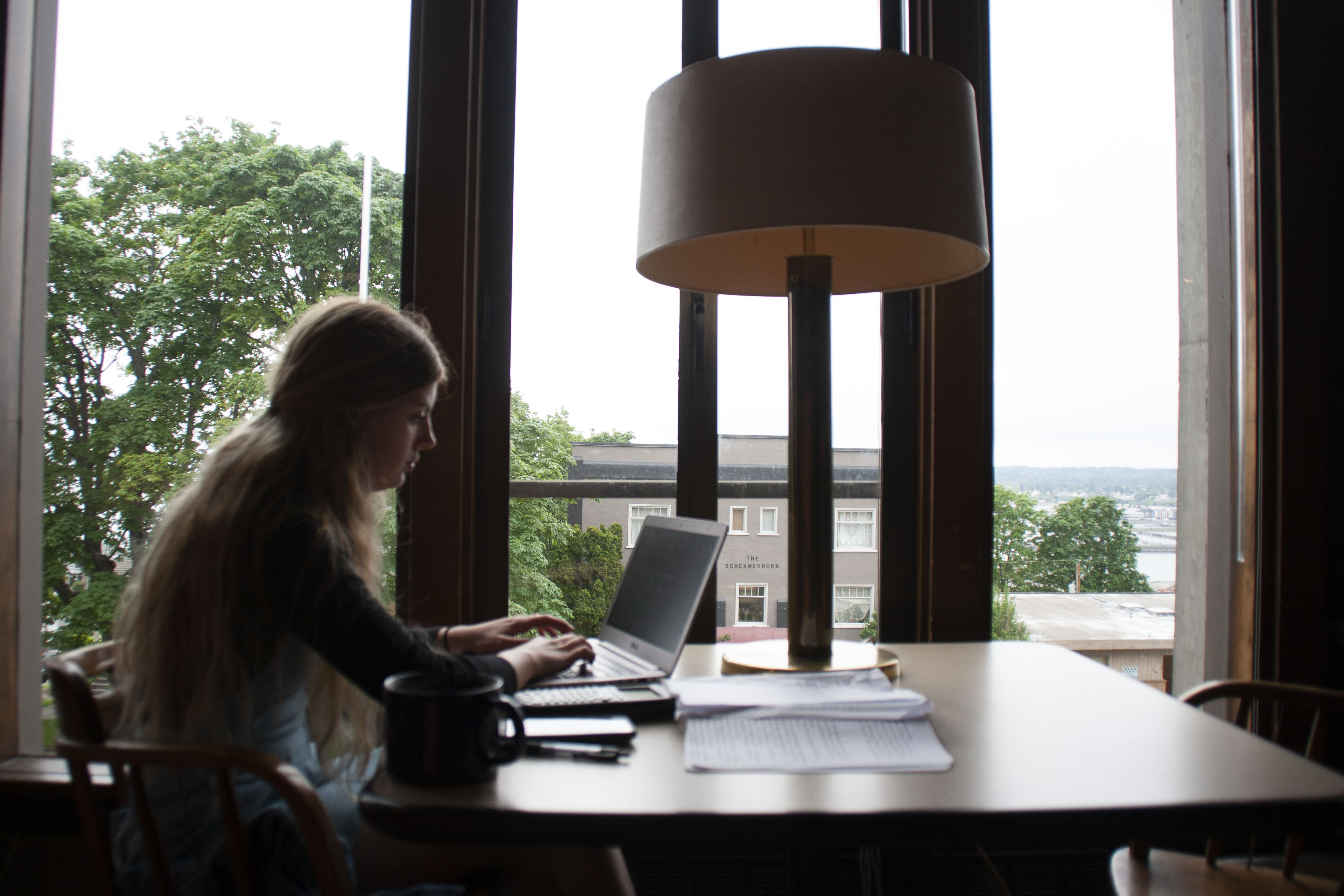
Photo Illustration

This week, I got to make my first-ever Photoshop product, and the process of making it was as rough as I thought it would be – maybe even worse.

When given the choice between creating a photo illustration in Photoshop and taking photos of sports, I will likely always choose to shoot more photos. In this assignment, that’s what I wanted to do. However, sports on campus and in Bellingham are hard to come by right now, and I couldn’t find any pop up games on campus. When it came to the afternoon before the assignment was due at midnight, I realized I was going to have to tough it up and use Photoshop.

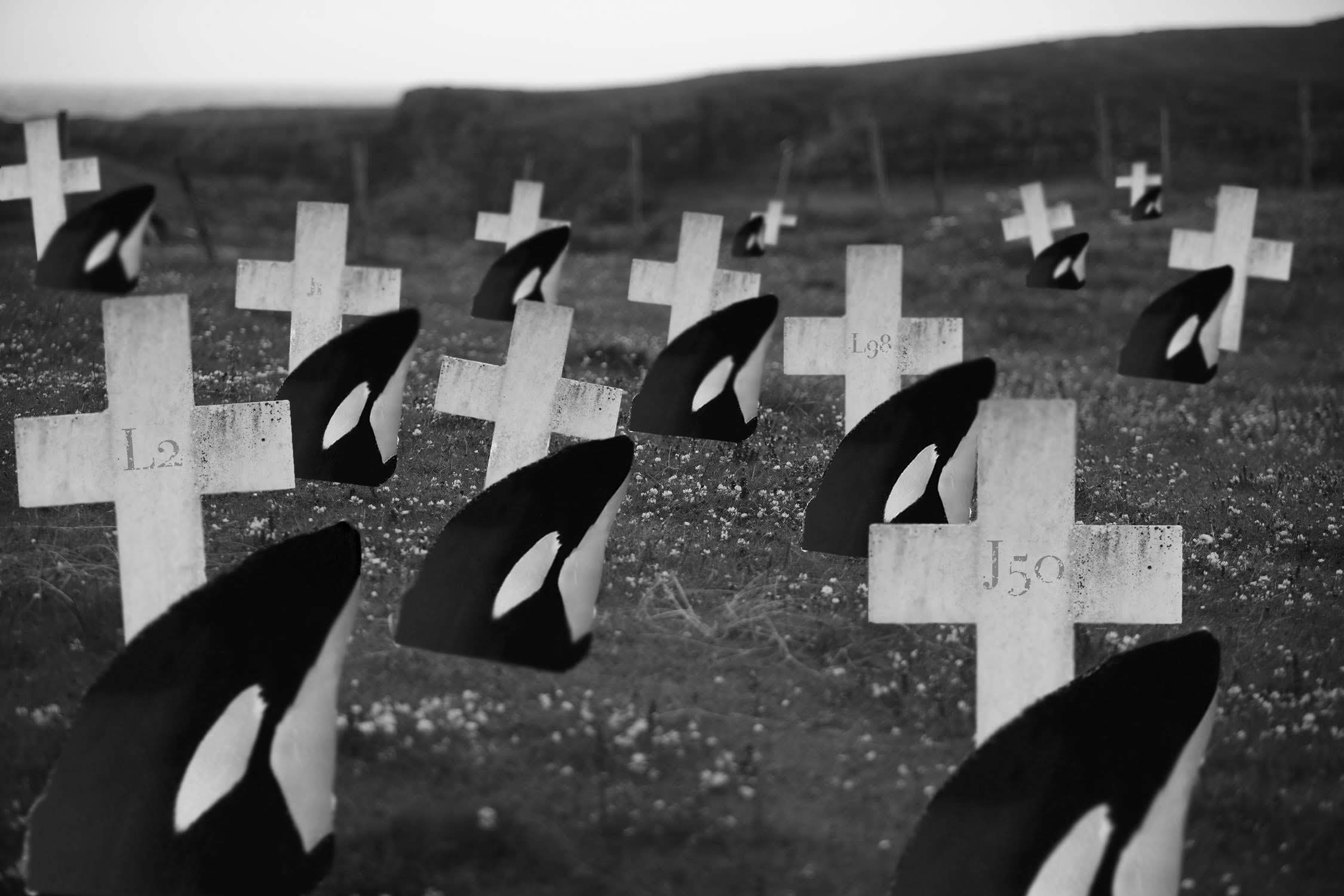
A photo depicting the fate of the Southern Resident Killer Whales if conditions do not improve. (Photo by Faith Owens)

I knew I wanted to do something with orcas, and I figured I’d do something relating to their poor living and health conditions right now. The end product is the result of a four hour long process of starting things over and watching endless Photoshop tutorials on YouTube and still not getting it right. There were multiple times in the total 4.5 hours that I considered trying to run outside with my camera and take photos of anyone doing anything sports related, but I knew that wouldn’t fly for the assignment.

This week’s assignment has turned out to be a learning experience for me because there are some things within Photoshop that I’ll never forget how to do because I had to do it dozens of times because I couldn’t get it right. It was extremely frustrating, but I got some worthy knowledge out of the whole ordeal.

Blog 6: The Usable Photos Don’t Come Easy

When you see a photo in a newspaper or in a sports feature or anywhere for the public eye to see, you may not realize how many photographs were taken to get that one good usable one.

Photographers take so many photos to get that one you see. Not only this, but all of those other photos are not necessarily pristine or even usable. In this post, I’ve included some of my own photos from that past that I would consider usable paired with those from the same exact photoshoot.

Usable:

(Photo by Faith Owens)

Outtake:

(Photo by Faith Owens)

No comment even needed for this first one.

Usable:

Outtakes:

Sports photography is a perfect situation to take hundreds of photos and only get less than a dozen that can be used.

Usable:

(Photo by Faith Owens)

Outtake:

(Photo by Faith Owens)

If you’re looking to get into photography but don’t feel great about it because of all the photos you take without good return, keep on looking a little deeper because even the best photographer doesn’t get a perfect shot with every photograph they take.

Honest Emotion

There are very few photos I have taken where the viewer can truly get a sense of what the subject was feeling at the moment the photograph was taken. Sure, I have lots of photos that convey a little emotion, but I aspire to have a photograph that radiates raw emotion. In the honest emotion photo assignment, I attempted to do just that.

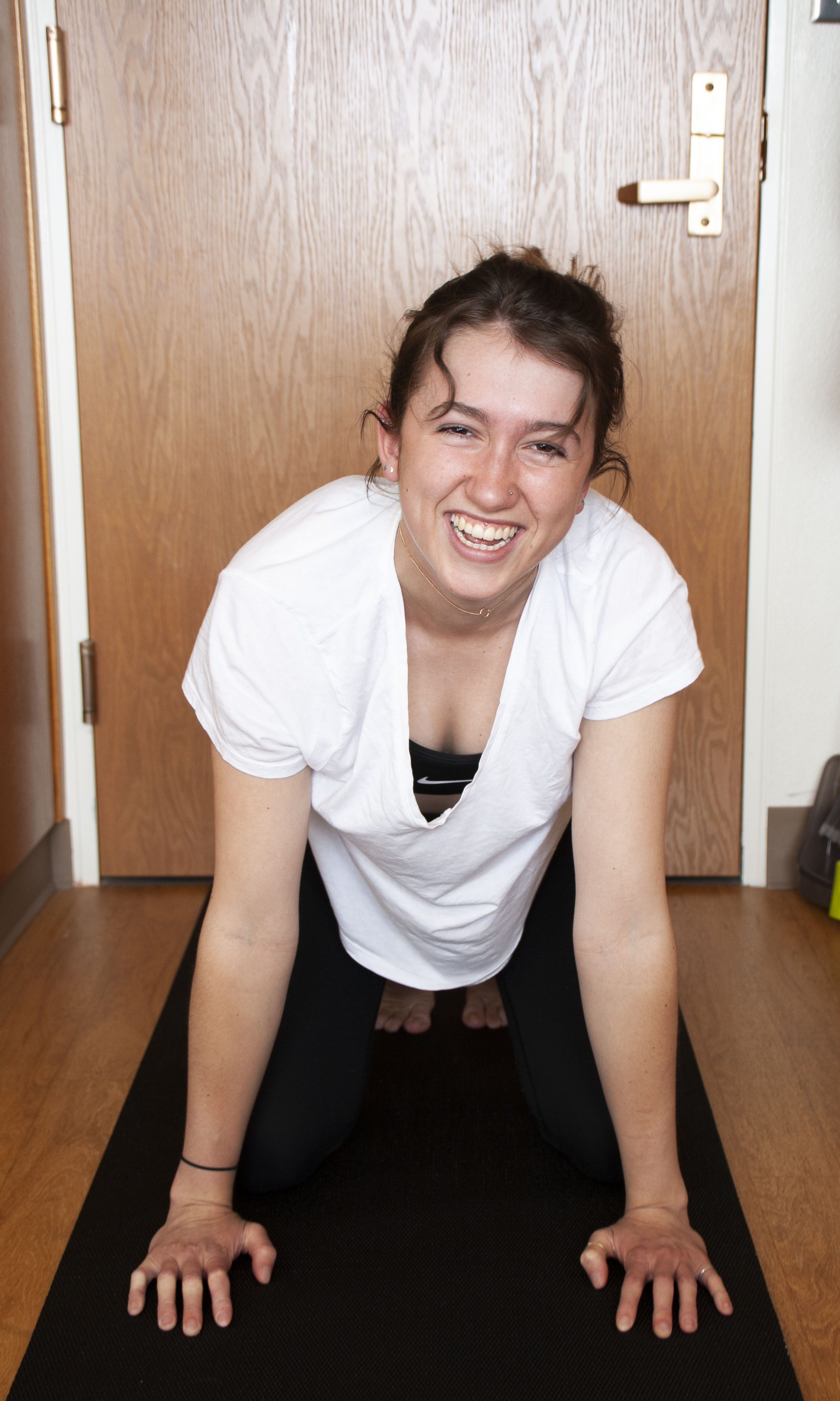
Zara Wiley, 19, laughs at a yoga mistake in Mathes Hall at Western Washington University in Bellingham, Washington, on Tuesday, May 14th, 2019. (Photo by Faith Owens)
I struggled to be able to capture any moments out in the general public either because I 1)didn’t have my camera with me 2)was in a hurry to get from point A to point B and couldn’t stop to get a shot. I decided instead to capture moments as they happened in my own day to day life rather than the lives of other strangers.

I photographed Zara Wiley, a close friend of mine who has appeared in past assignments. Zara and I were messing around and trying yoga poses that we found challenging or intriguing, and I saw perfect photo opportunities when one of us would make an amusing mistake or simply laugh at our own weaknesses when it came to certain yoga poses.

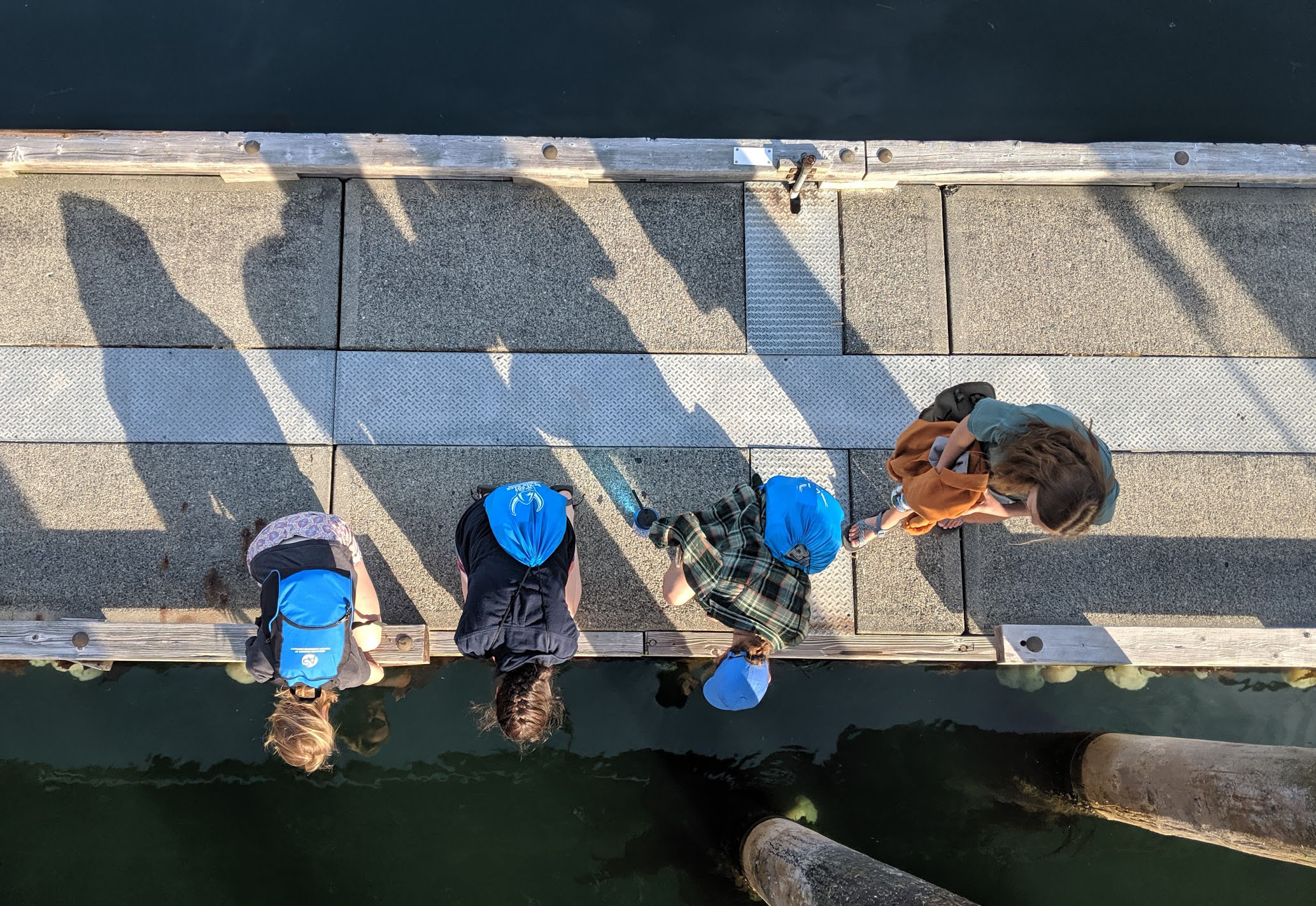
Western Washington University students Annika Brinkley, Carmen Fonseca, Caitlyn Blair, and Audrey Mechtenberg gaze into the water on the docks of Friday Harbor on San Juan Island in Washington, on Saturday, May 11th, 2019. (Photo by Faith Owens)
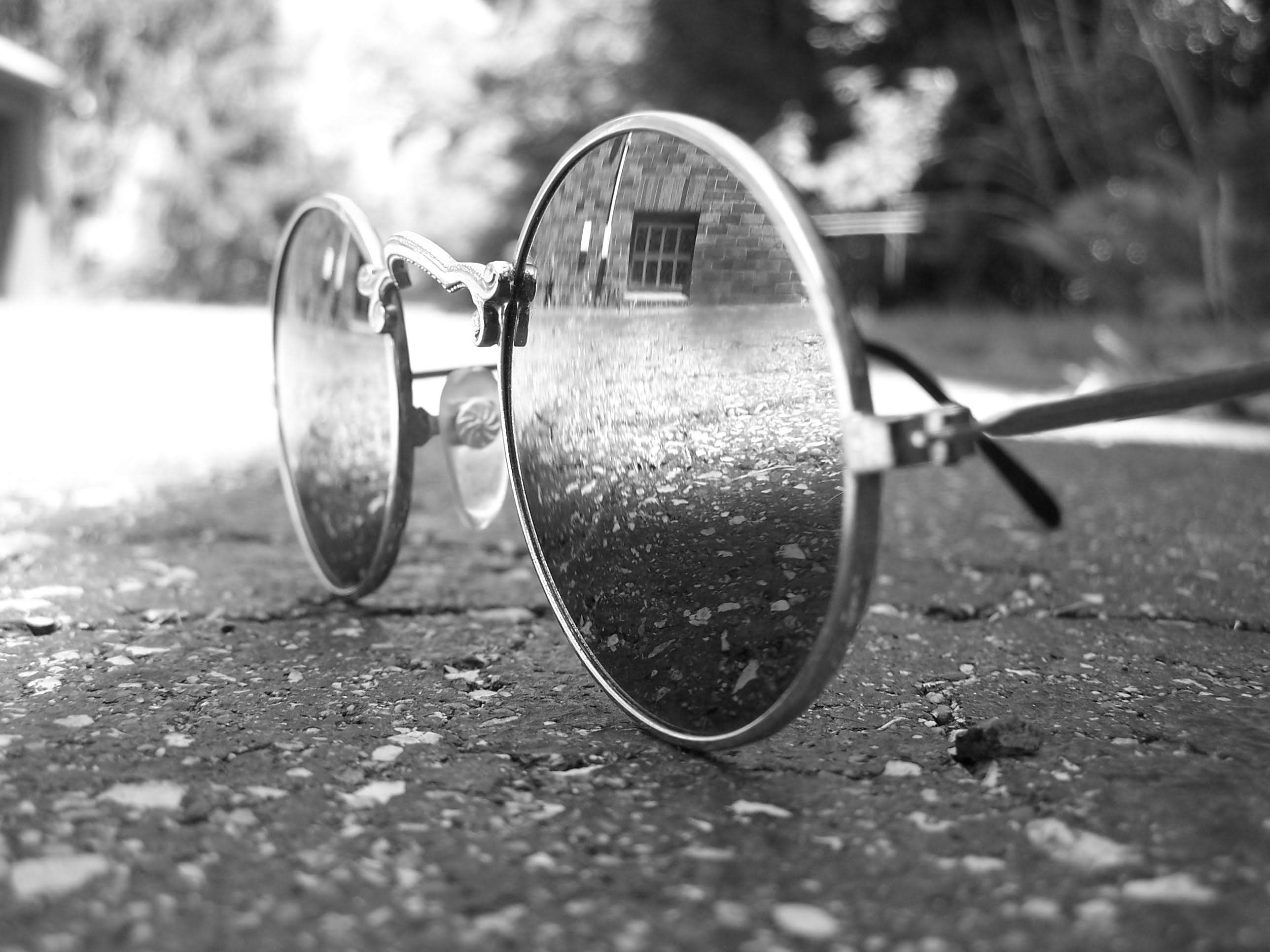
As I mentioned, there were multiple instances where I saw the opportunity for a decent photograph but didn’t have my camera on me. In this case, as in the photo above, I had only my phone to work with (which can be nearly as nice as a DSLR with today’s technology). Some friends of mine were gazing curiously at the marine critters around the docks of Friday Harbor on an Juan Island. I was standing on a boardwalk above them and noticed a moment of bonding over the anemones that attached themselves to the underwater wood of the dock they were on.

Noticing little moments throughout your day can make for rewarding photos and it made me pay attention to the smaller relationships that exist between people when we just don’t notice it.

People in Motion

This photo assignment required that I shoot people in motion using three different techniques: blurred motion, panning, and stop action. I used these techniques in high school when photographing sports for the yearbook, but I hadn’t used them since then.

Blurred Motion

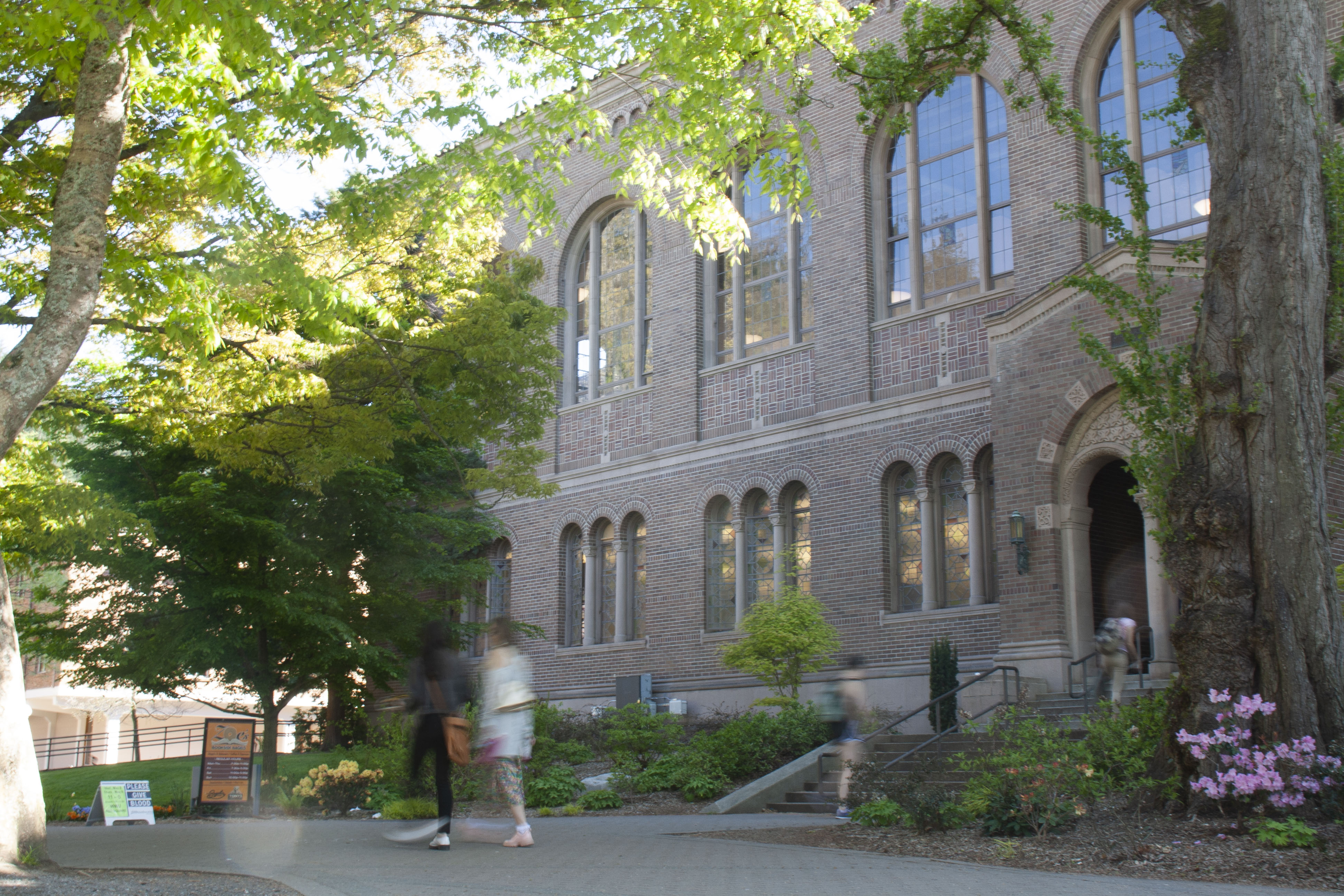
The blurred motion technique results in a photo where anything that is not moving (typically the background) is crisp and clear, while anything in motion (typically in the foreground) is blurry.

People walk by Wilson Library at Western Washington University in Bellingham, Washington, on Tuesday, May 7th, 2019. (Photo by Faith Owens)
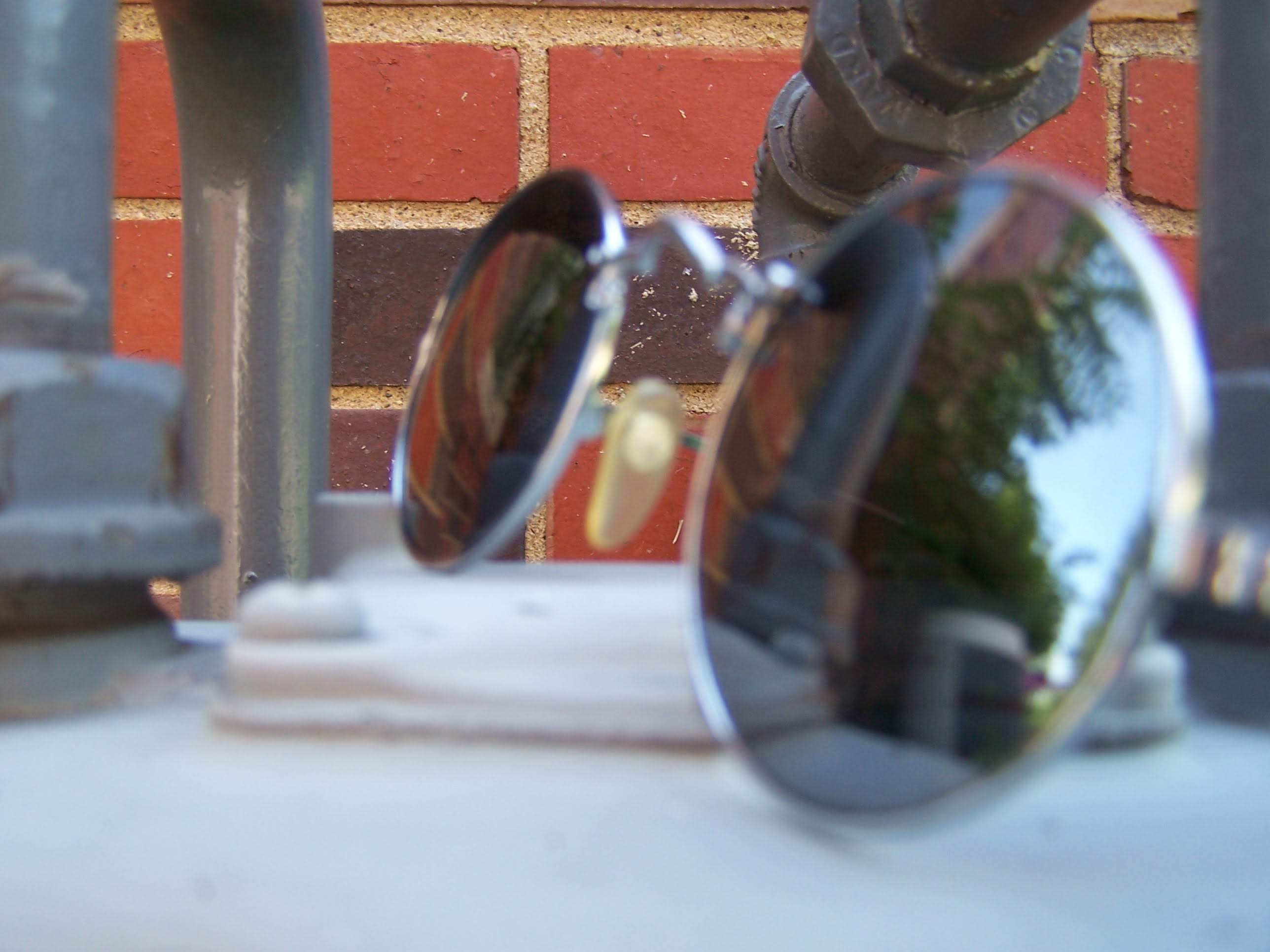
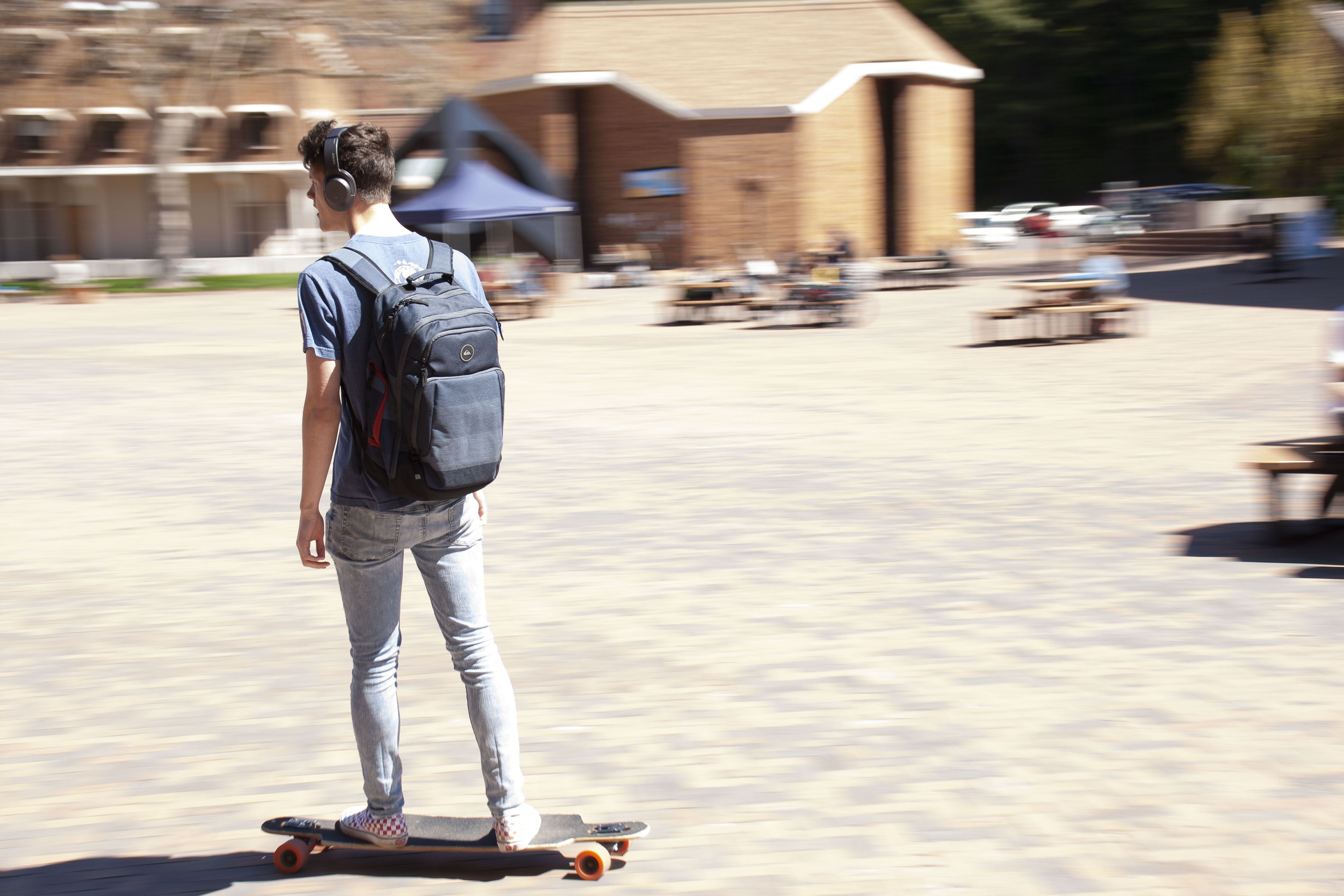
A skateboarder skates on Western Washington University’s southern campus in Bellingham, Washington, on Monday, April 29th, 2019. (Photo by Faith Owens)
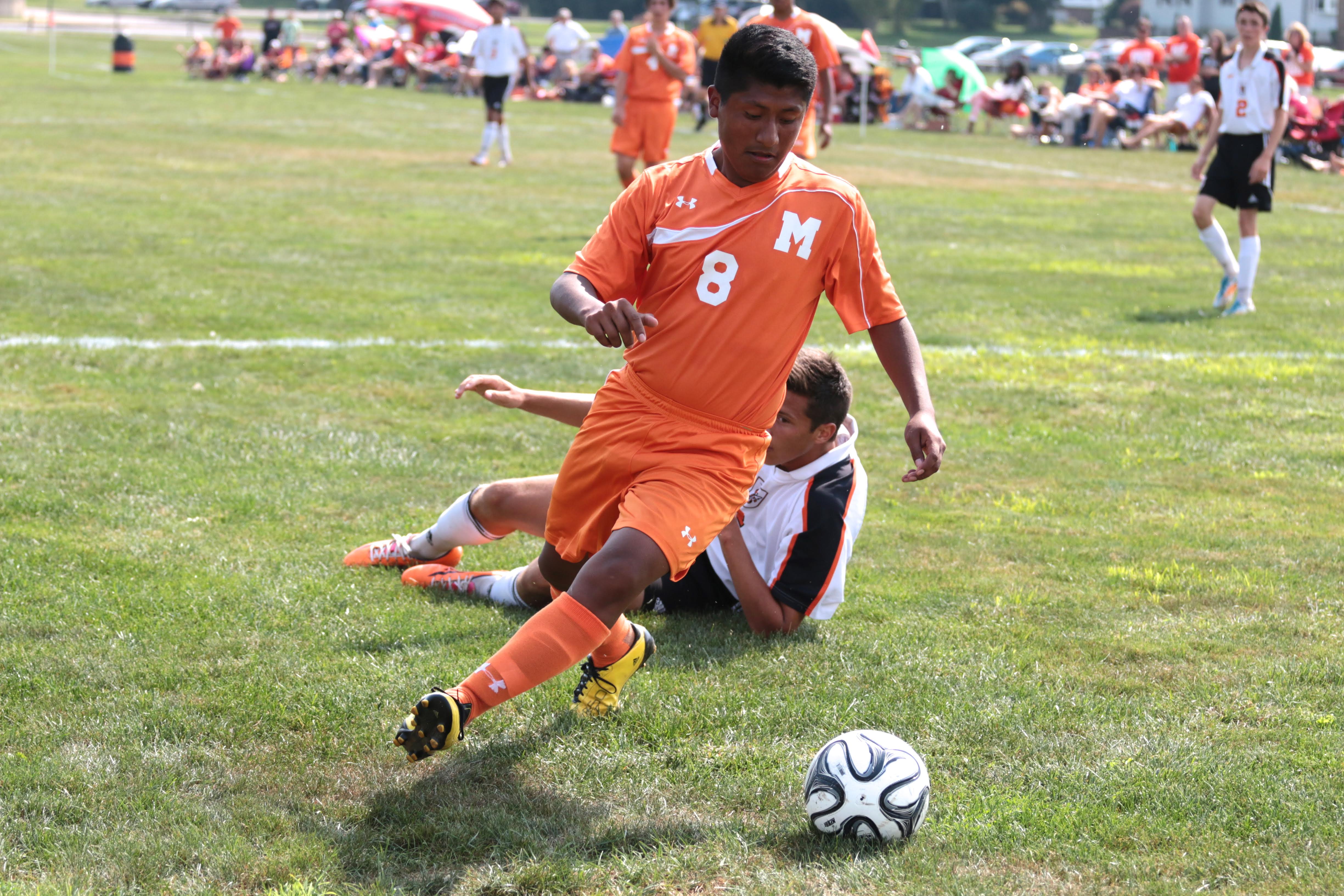
I found the blurred motion effect to be the easiest to shoot with. I knew I needed to pick a dark, shady spot so that when I lowered my shutter speed to make people blurry, my photo wouldn’t be overexposed. People are always in motion, and this effect can make us realize what a busy species humans truly are.

Panning

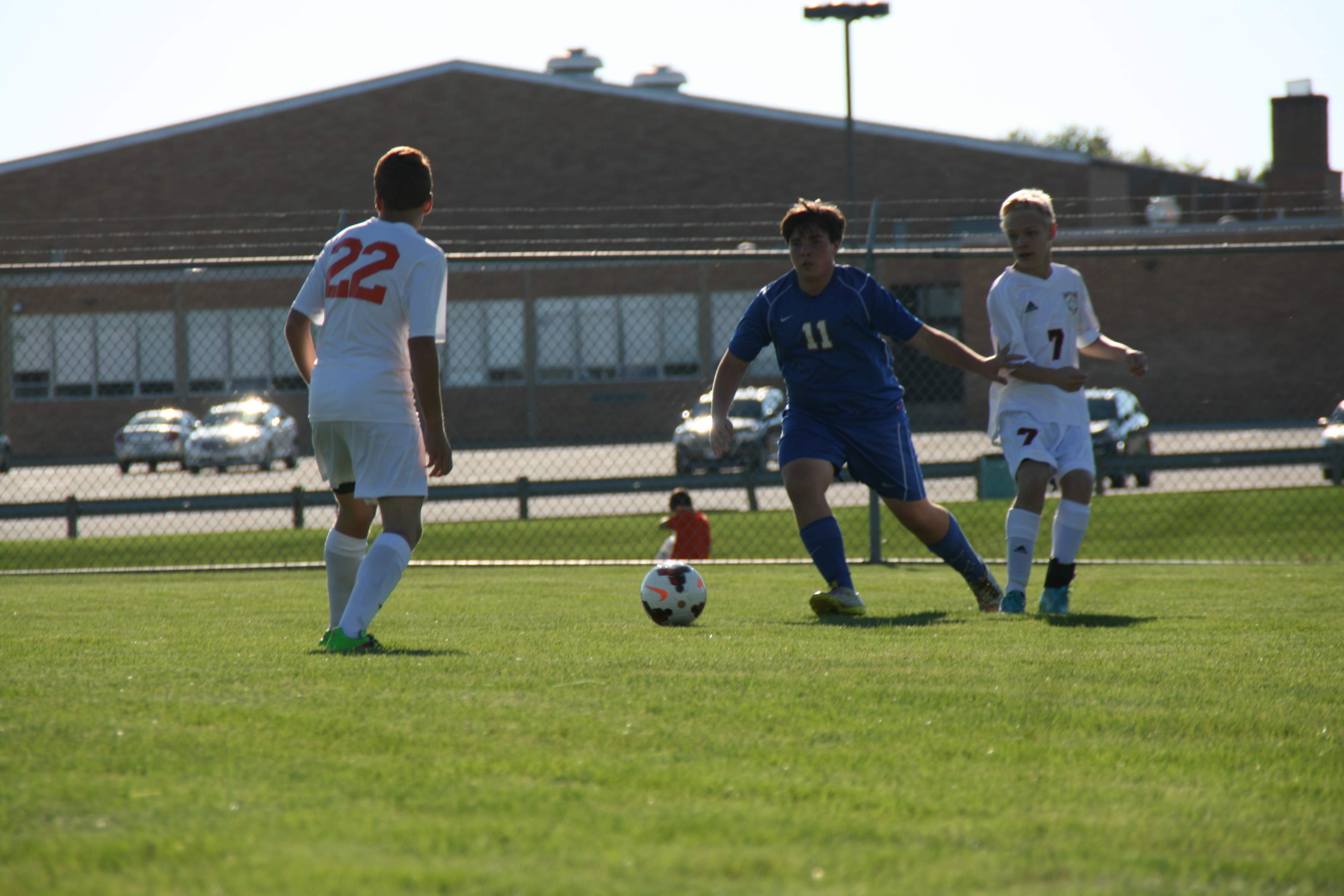
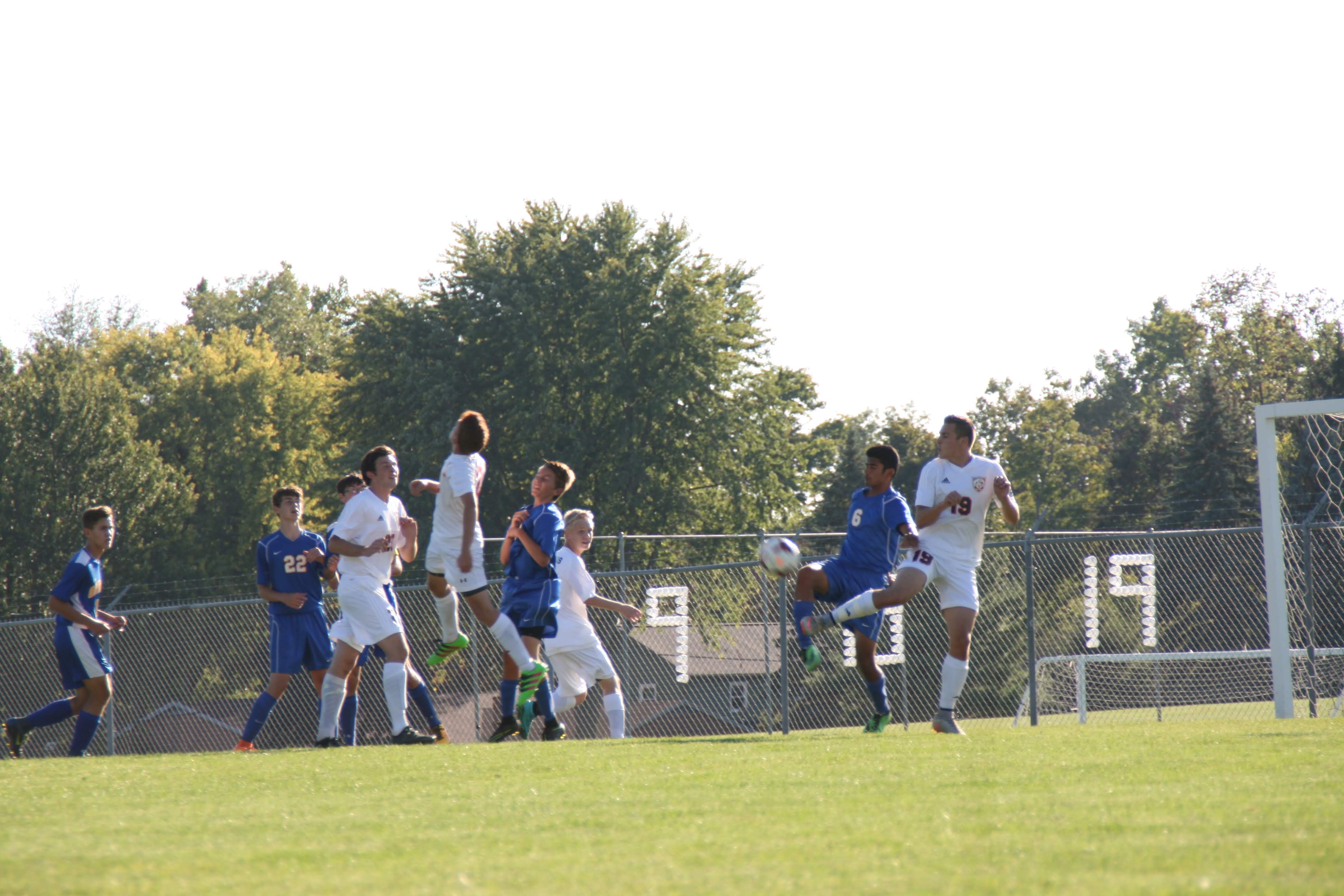
The panning technique was one of my favorites to use when photographing sports like basketball and soccer while I was in high school. This effect is the opposite of blurred motion – the subject is clear and the background is blurry. This is the result of matching the speed of the subject and following them in the direction they’re moving.

A skateboarder skates in Red Square at Western Washington University in Bellingham, Washington, on Monday, April 29th, 2019. (Photo by Faith Owens)
Caitlyn Blair, 19, runs at Teddy Bear Cove in Bellingham, Washington, on Sunday, April 28th, 2019. (Photo by Faith Owens)
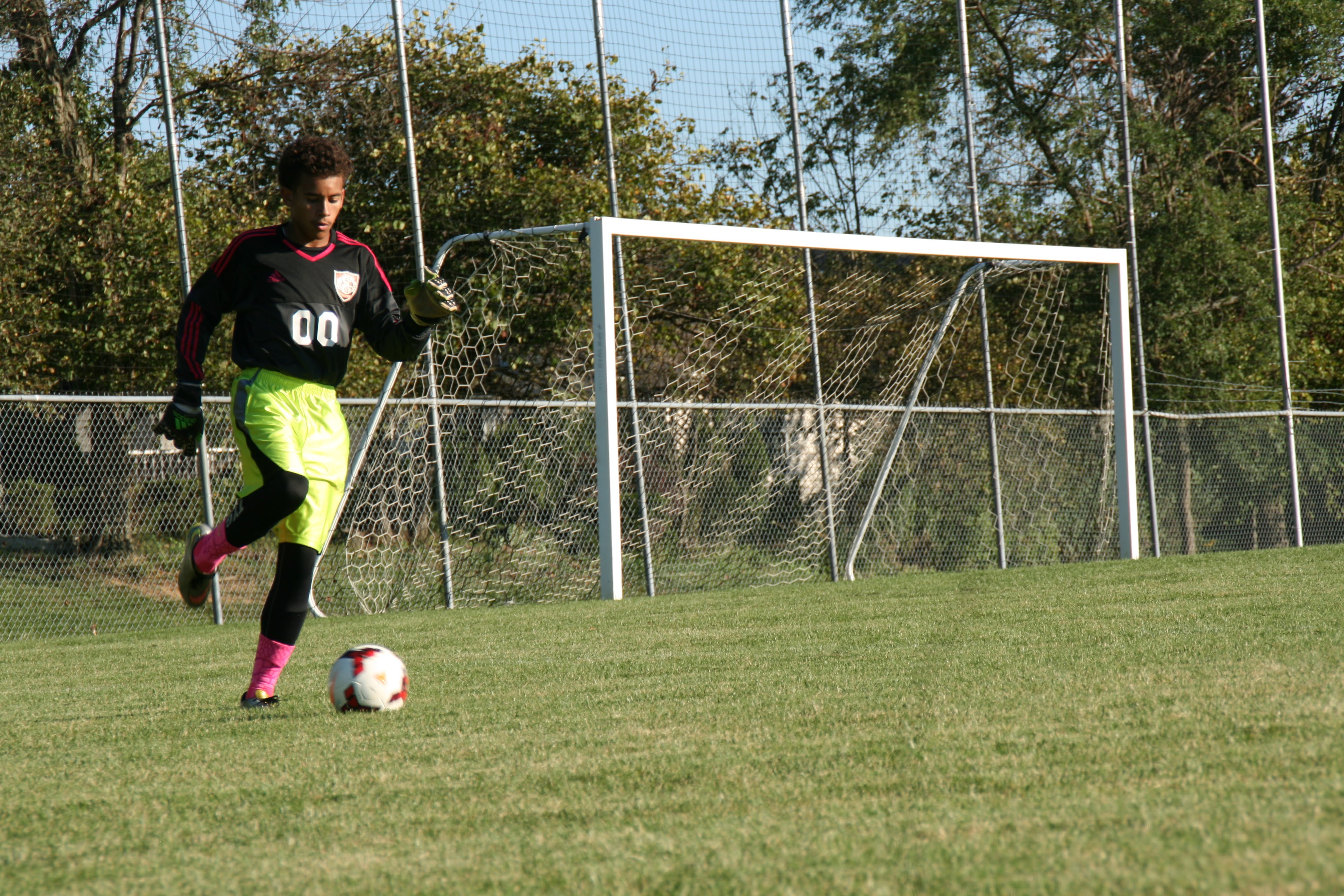
This technique requires very precise movement and tricky settings, and I realized that fact when I took a couple hundred panning photos and ended up with only a couple that were decent. This was probably my least favorite technique because it’s difficult to not look like a complete creep when shooting the photos – I felt like a spy following strangers’ movements in some sort of movie and I was afraid someone was going to call me out for being creepy. Thankfully no one did.

Stop Action

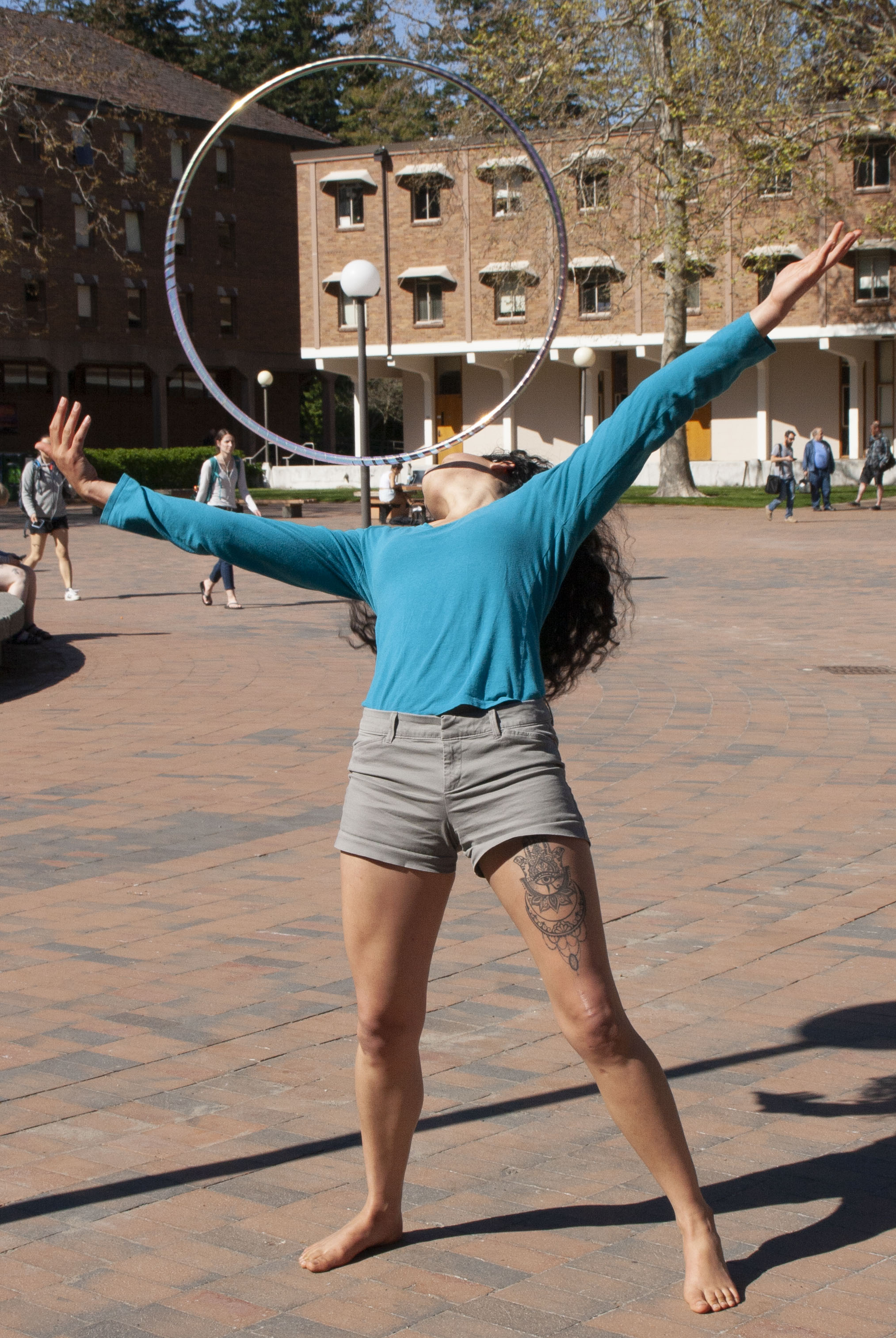
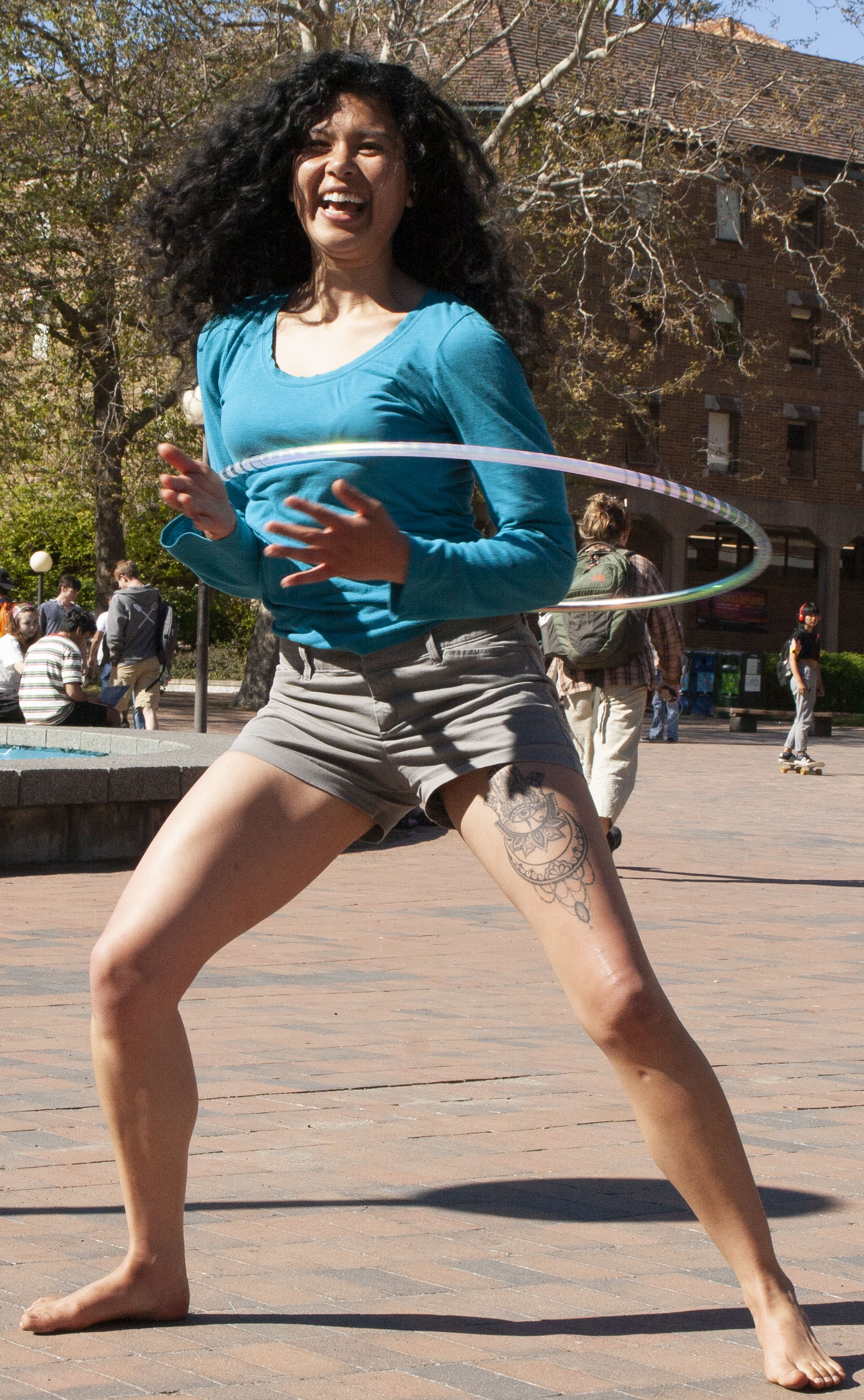
This technique involves stopping every bit of movement the subject is making – like time is standing still.

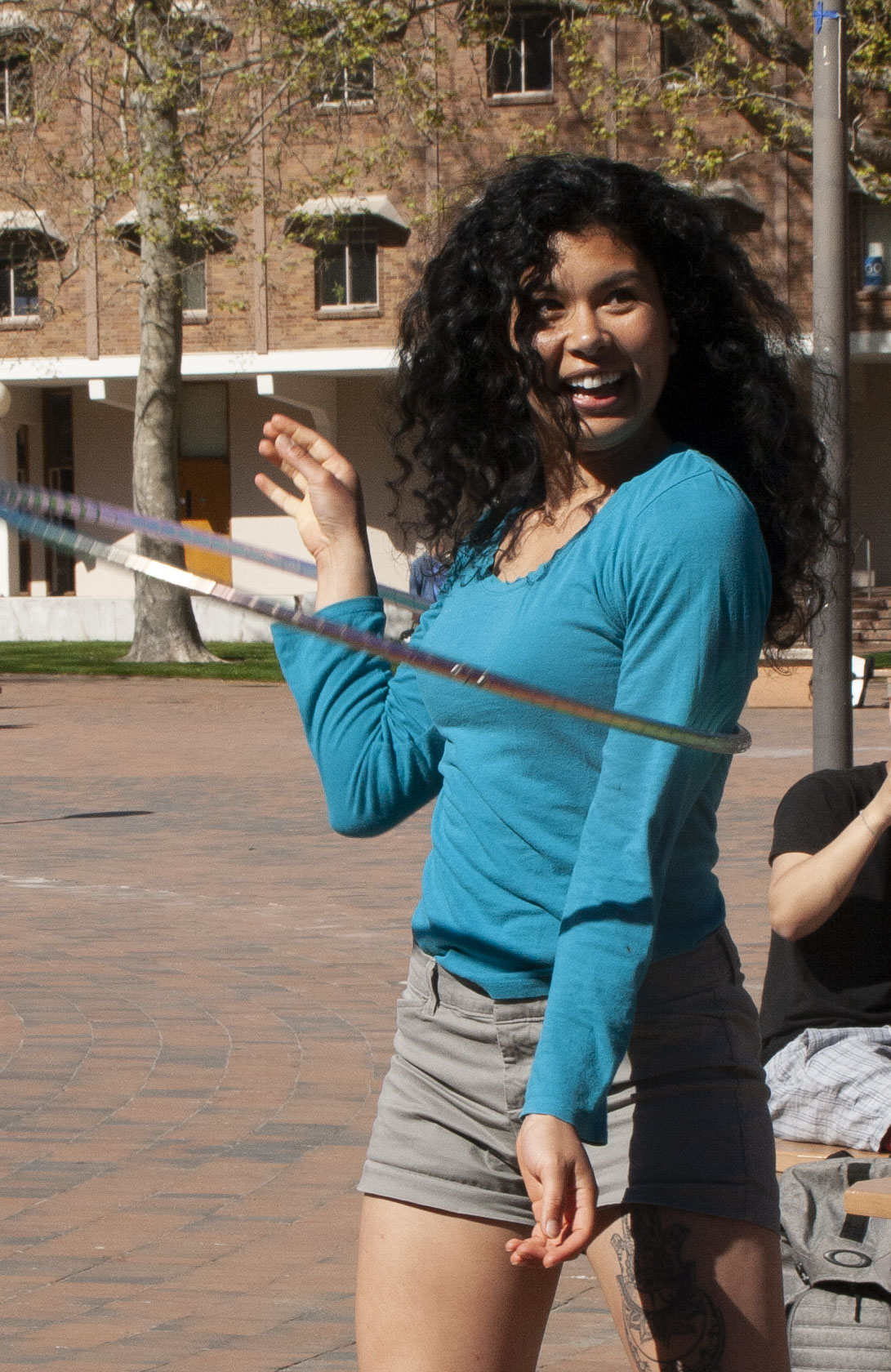
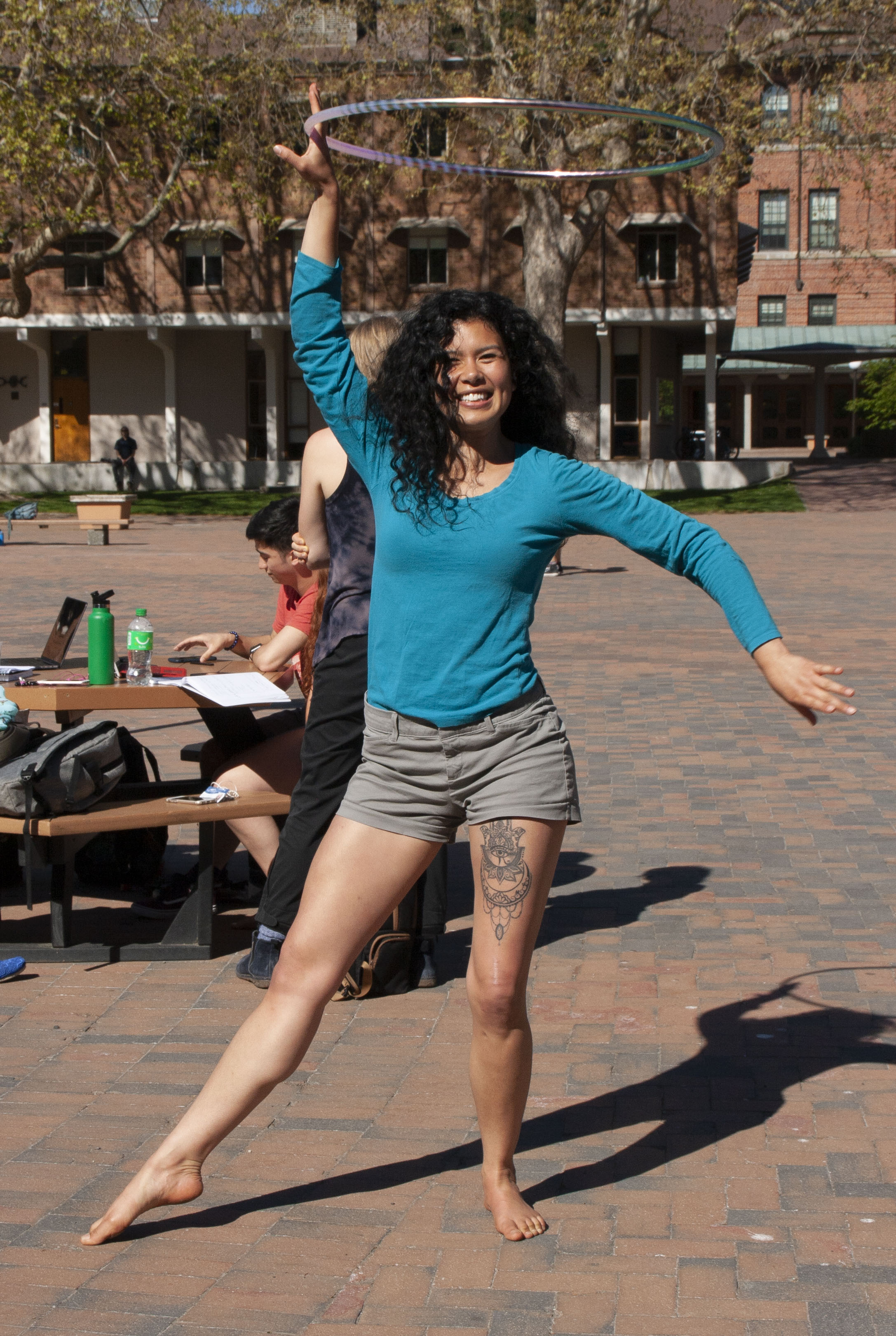
Aida Cardona, 26, hula hoops on Red Square at Western Washington University in Bellingham, Washington, on Tuesday, May 7th, 2019. She is a WWU student studying business management and entrepreneurship. (Photo by Faith Owens)
I only practiced this technique on one person who I stumbled across hula hooping at Western Washington University in Bellingham, Washington. Her name was Aida, and she was the human embodiment of sunshine. Her aura was glowing and warm and she never stopped laughing or smiling. Her hula hooping abilities seemed so effortless and she was confident in her every move. Needless to say, I was excited to have come across her during a walk and even if I hadn’t gotten any worthy photos, Aida brightened my day.

If I learned anything from this assignment, it’s the fact that I missed taking such photos and have a lot of fun doing so, but I still have a lot to learn and master.

Environmental Portraits

Each and every one of us is surrounded by an environment that we create and that others may associate us with. In an environmental portrait assignment, I set out to capture others in their own day to day environments.

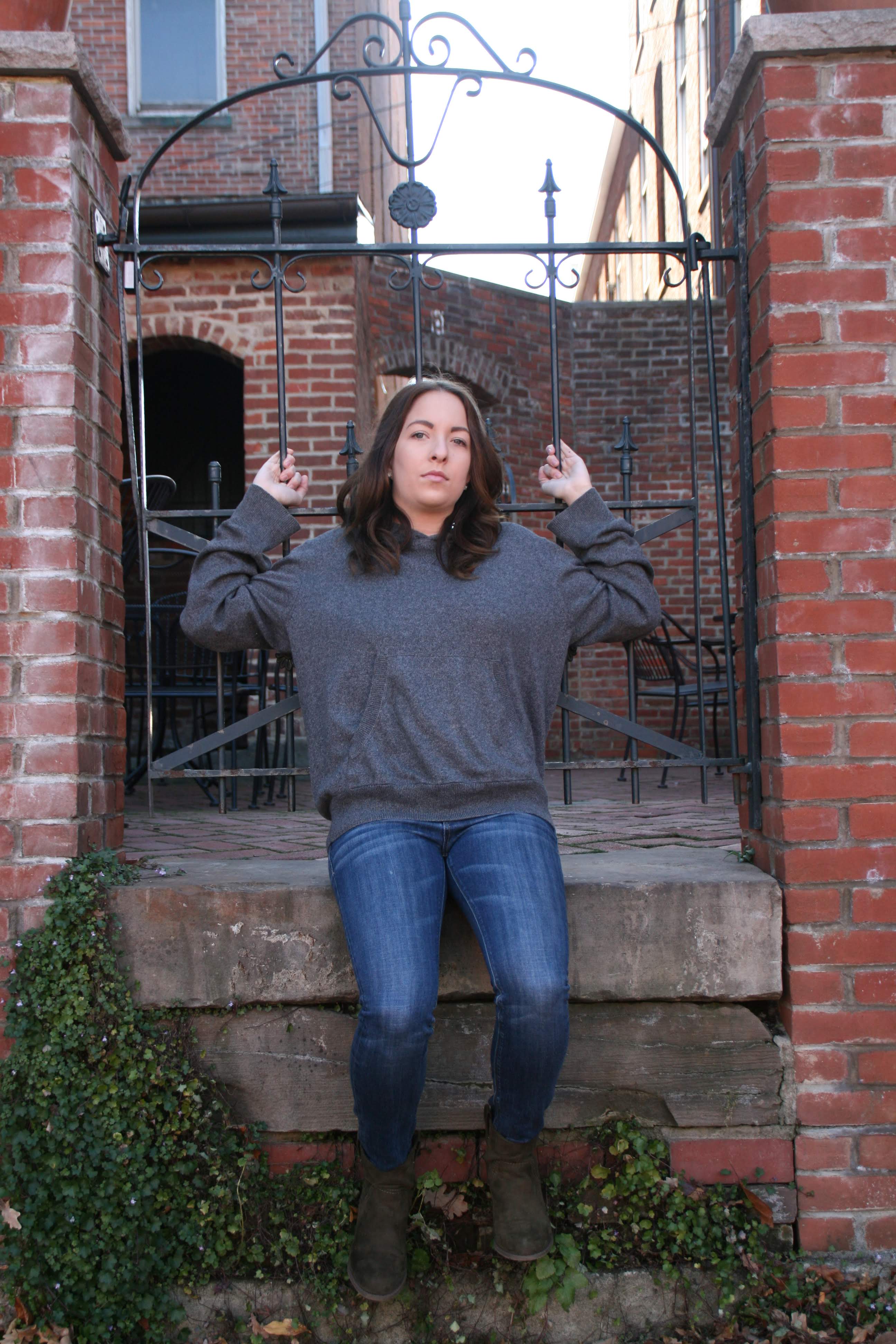
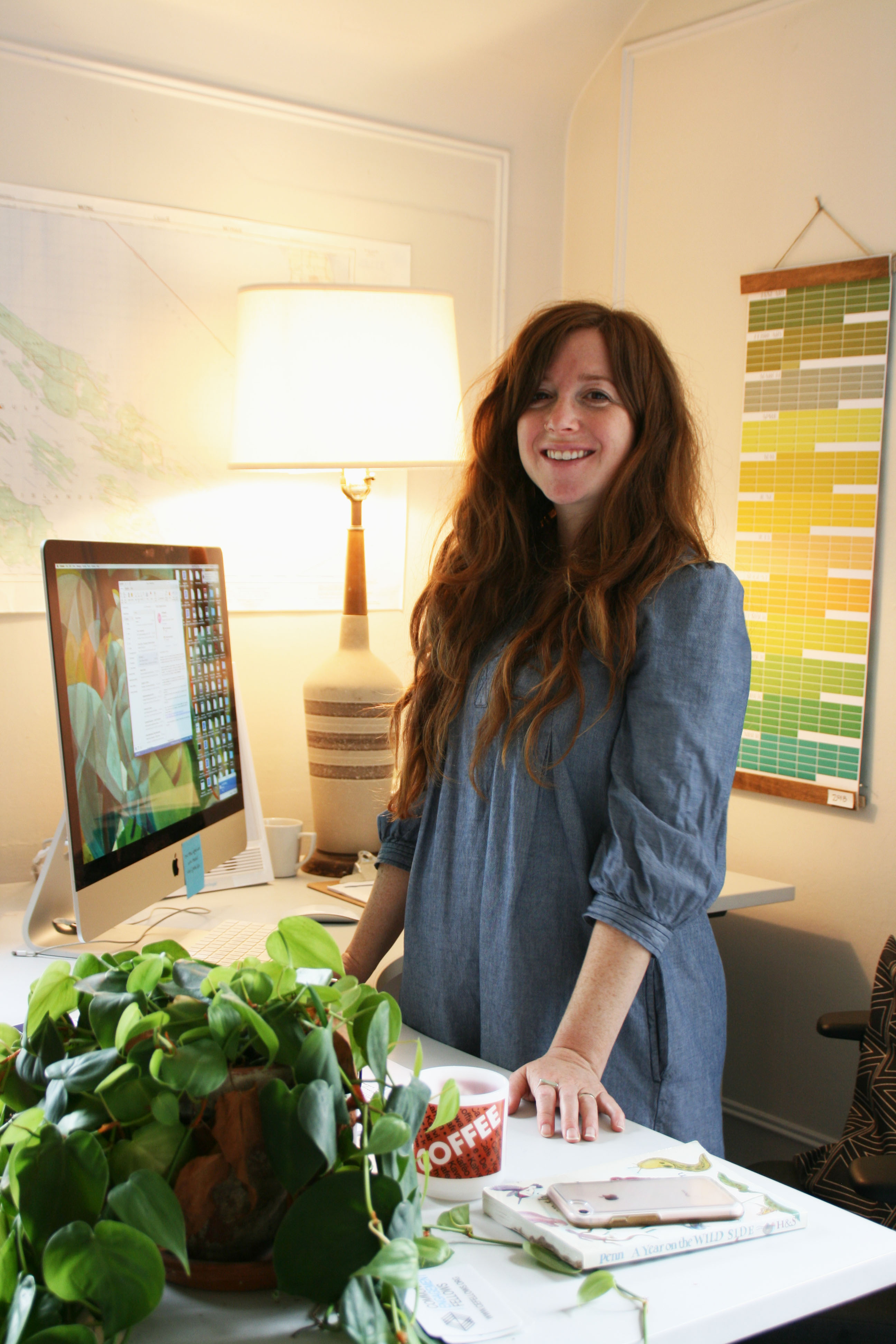
Natalie Baloy, 35, poses in her office at Western Washington University in Bellingham, Washington on Tuesday, April 23, 2019. She is WWU’s Associate Director of Transboundary Initiatives.

I started on this assignment fairly late and ended up scrambling to find people to photograph before the deadline. I initially envisioned photographing artists and hatchery workers and baristas and many more, but things didn’t work out, so I reached out to a couple of people I knew personally.

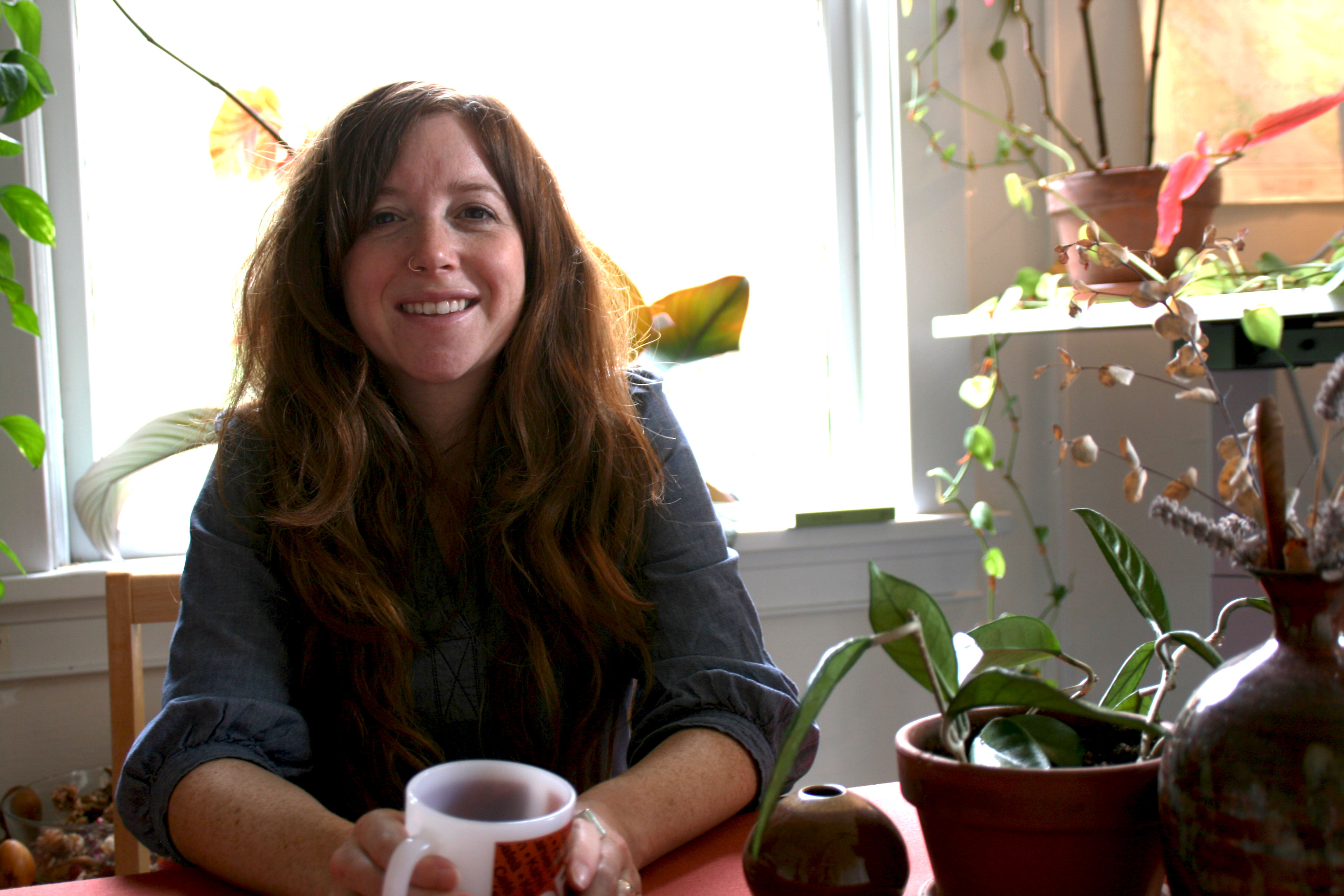
Natalie Baloy works at Western Washington University as the Associate Director of Transboundary Initiatives. Her office matched her personality so well – it was cozy and welcoming with quirky yet neat pops of color and art. Plant vines curiously crawled their way up the windows. Her notorious organizational sticky notes were aligned ever so neatly on her whiteboard. Books about the Salish Sea rested in the half closed bookcase and maps of the region lined the walls.

Natalie Baloy, 35, poses in her office at Western Washington University in Bellingham, Washington on Tuesday, April 23, 2019. She is WWU’s Associate Director of Transboundary Initiatives.

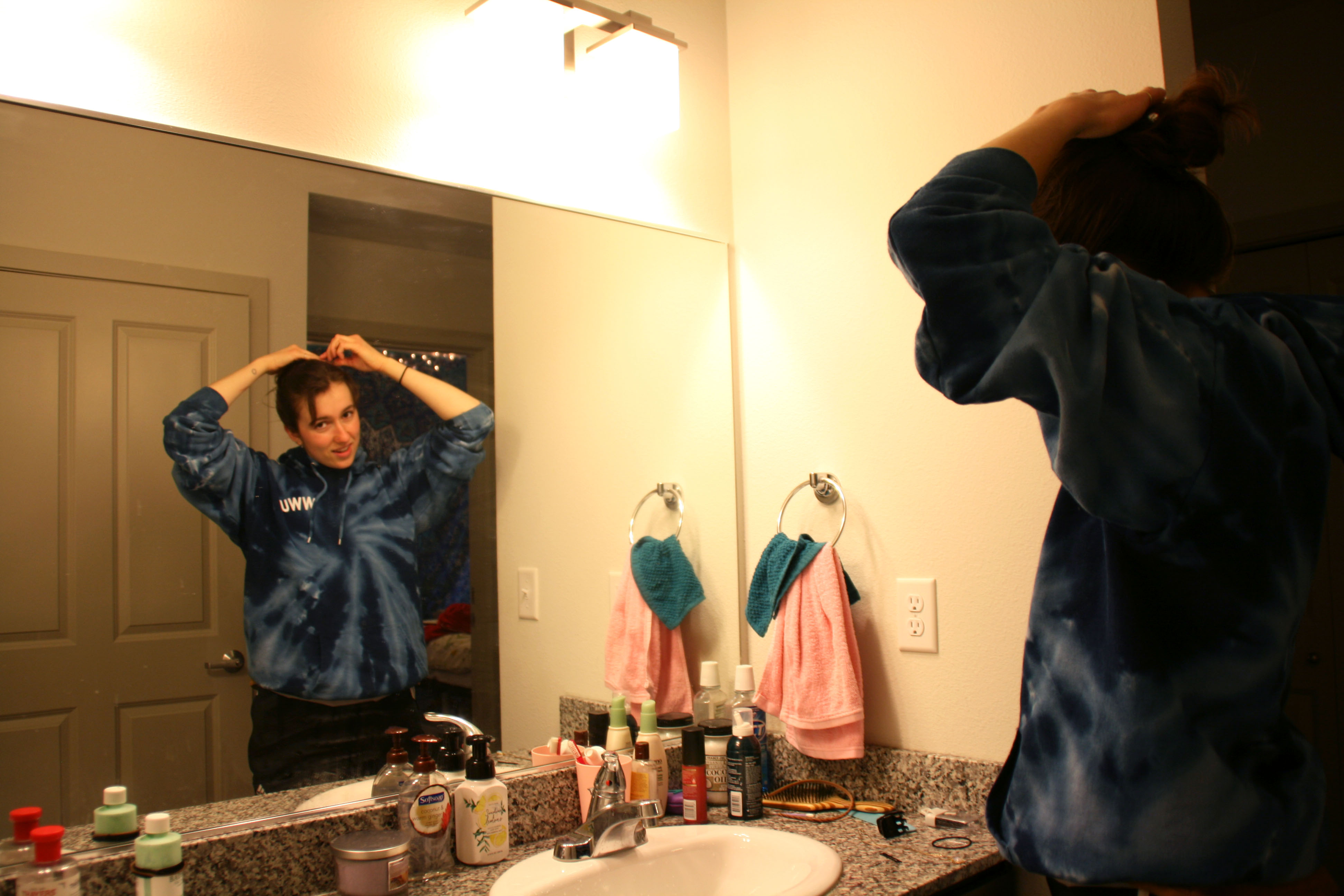
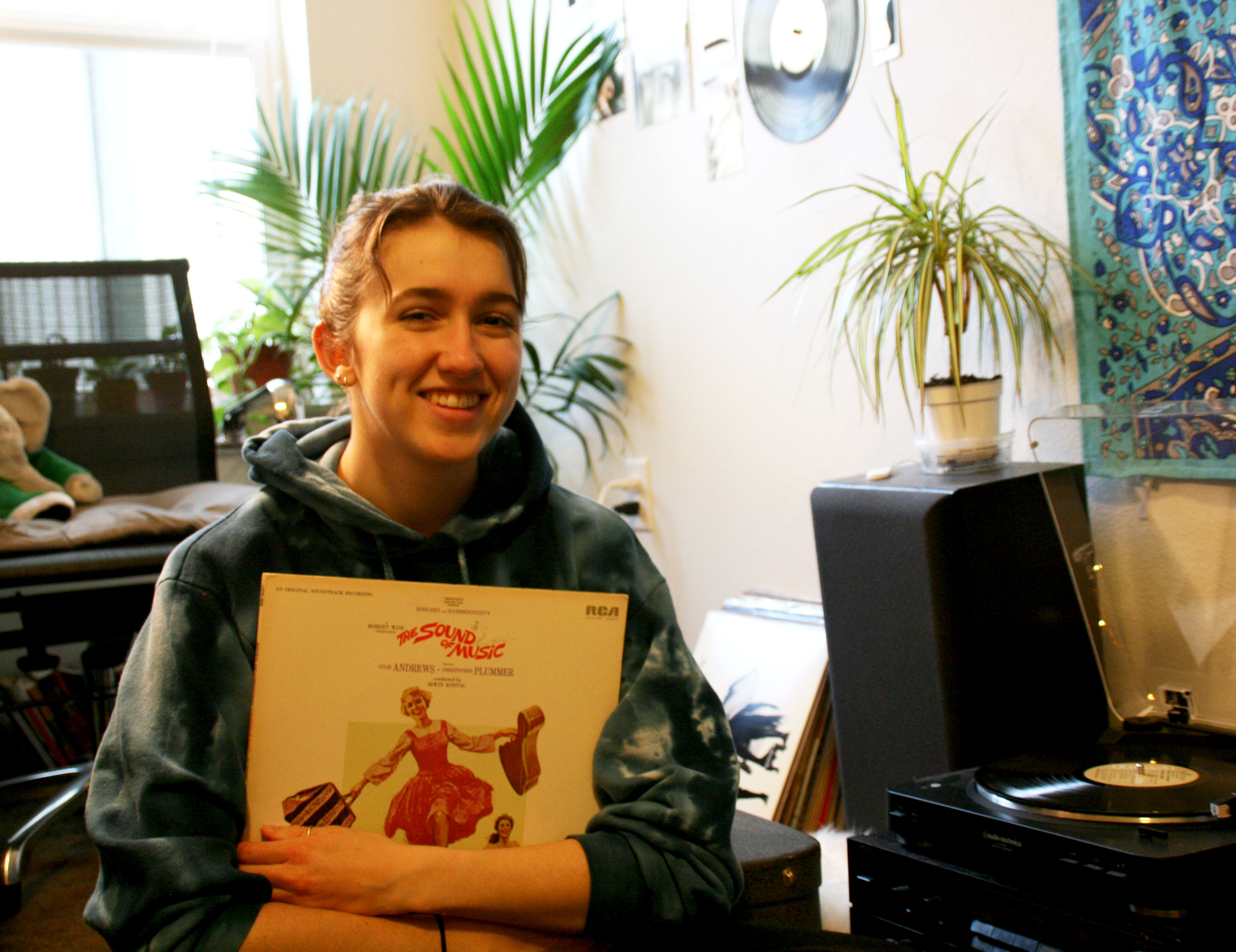
The second and last person I photographed was Zara Wiley, a Western Washington University student. Her apartment, too, matched her personality with a conglomeration of plants, posters, developed photographs, records, and fun lights. Like most college girls in 2019, a large tapestry dominated one wall, giving the room a homey element when combined with the rest of the room.

Zara Wiley, 19, poses in her apartment in Bellingham, Washington on Tuesday, April 23, 2019. She is a Western Washington University student.

I enjoyed getting a peek into the lives of others and how their own personal spaces reflect them as a person and how that compares to my own. It makes me wonder how other see me reflected in the things I own and how I interact with them. Seeing a person’s environment more intimately can give you insight into how they truly exist in this place.

Icebreaker

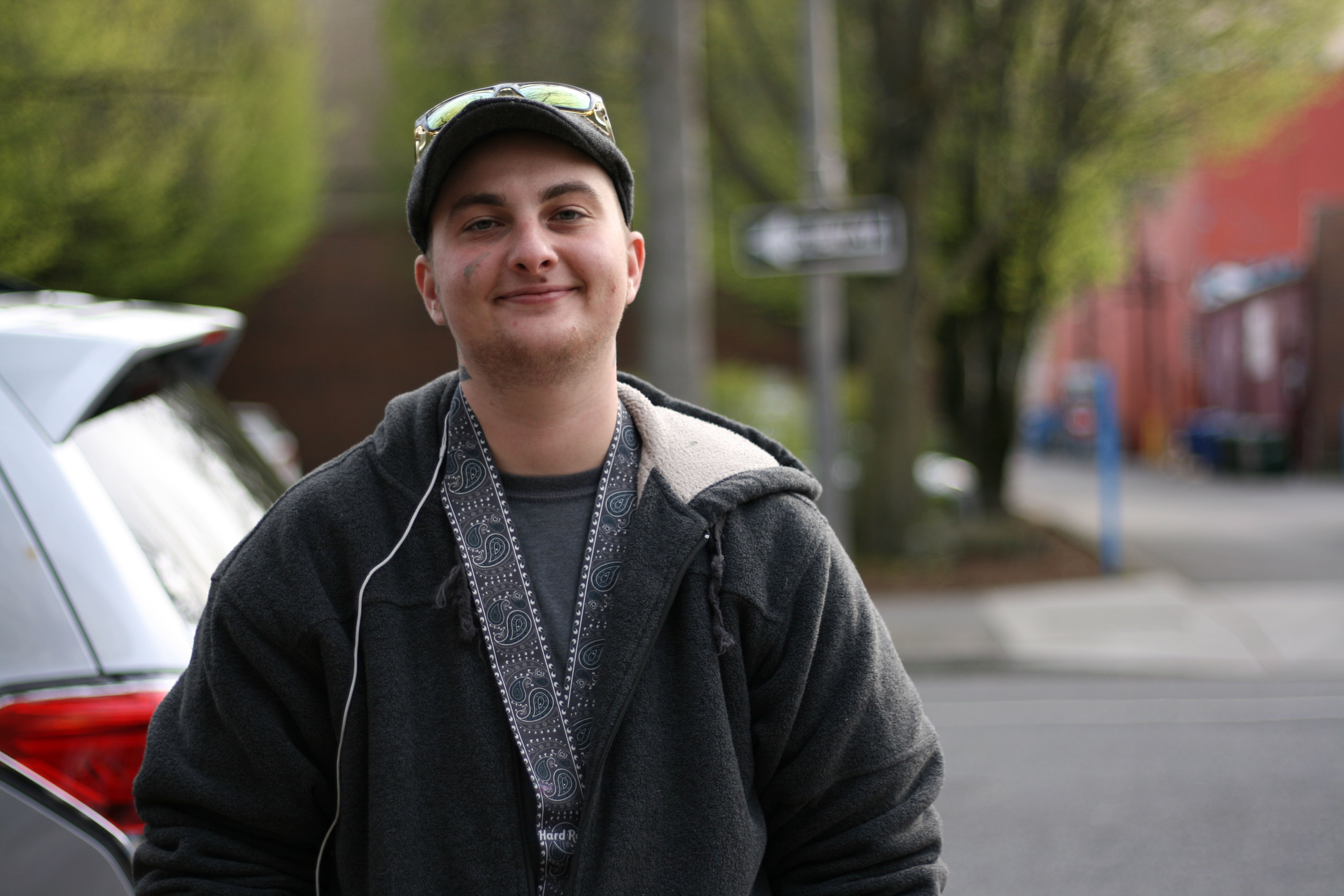
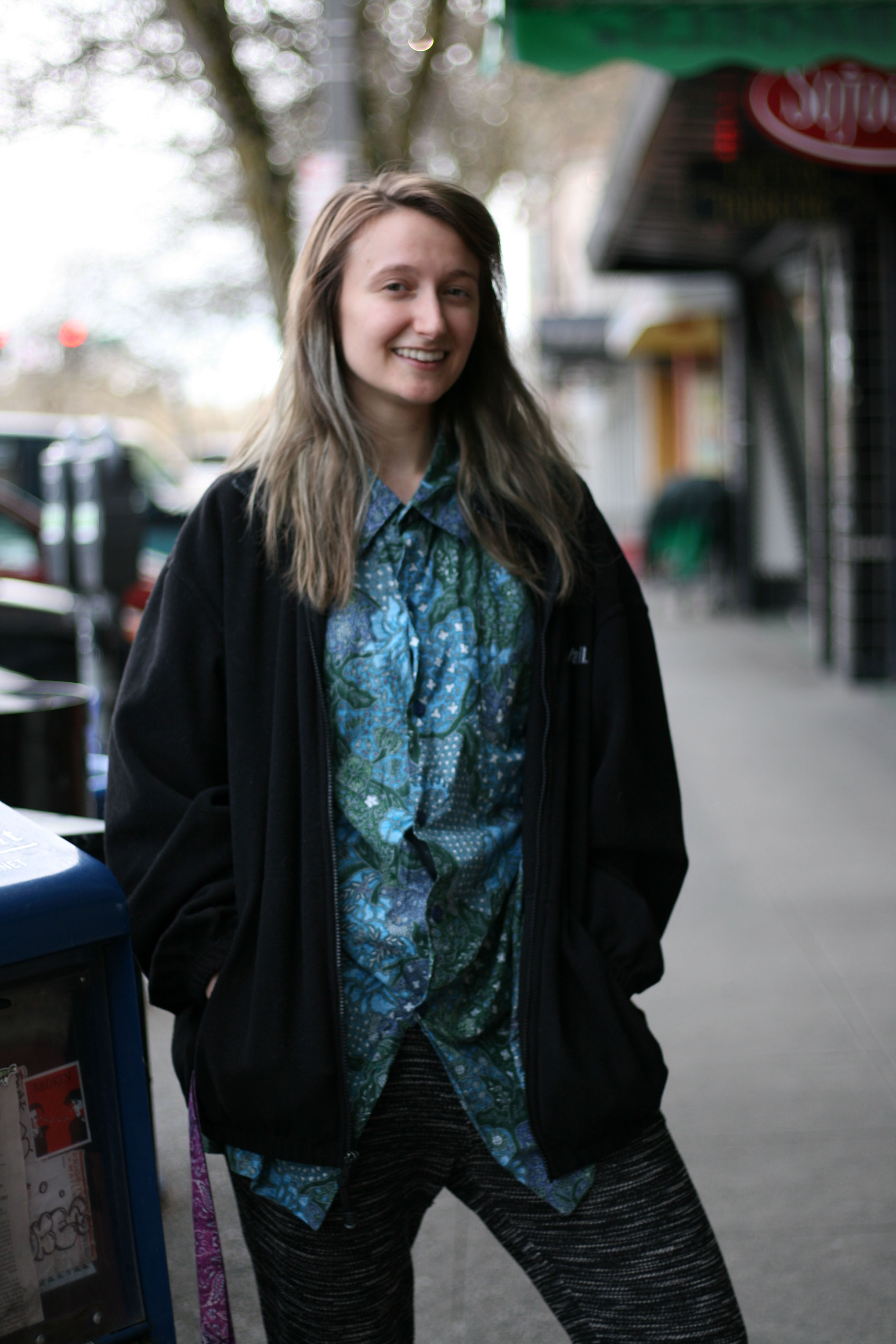
Going up to strangers isn’t easy. Going up to strangers and asking them questions and taking their photos is even more uncomfortable. After approaching over six people for their input and photographs, it didn’t get any less challenging.

I tried to seek out those who were alone, didn’t have headphones in, and didn’t look too busy. I used a quick introduction that wouldn’t scare them off, and an icebreaker that, in this case, was the question, “What is you favorite childhood memory?” This tactic worked well for me, and everyone I approached was willing to give their time to me (although some were a little skeptical about the situation).

Michelle, pictured above: “When I was young, I was with my grandpa at a park on one of those hamster wheel type of playground equipment. All I wanted to do was spend time with him, but these other kids came to play and I learned a lesson about sharing time with others.” Photo by Faith Owens.

A sense of uneasiness was present every time I had to work up the courage to approach a stranger. I felt as if I was a predator stalking its prey while trying to find a potential interviewee in public. Once the introduction was over and I received the green light to proceed with the questions and photo, I was a little more comfortable. Sparking a conversation with the person about their childhood memory seemed to make them more comfortable rather than simply typing what they said into my phone for the sake of getting information.

Darrin, a Western Washington University alumni: “My favorite childhood memories are a series of memories associated with swimming in a river right behind my house.” Photo by Faith Owens.
Lacey, pictured above: “I remember going swimming with my mom at the pool. We always went on opening day and we have a photo of us in the newspaper on one of those days.” Photo by Faith Owens.
Ajay, an art vendor in downtown Bellingham, Washington: “Fighting with my siblings when we were younger have made us closer now because of it. A lot of things were going on in our house when we were growing up, and we fought a lot.” Photo by Faith Owens.

I have always been a person to walk on a street or look out the bus window and wonder what every person I can see has been through. What is their background? What are they thinking about? Do they have a similar life compared to mine? Where did they come from, and why are they right here right now? Are they in their favored place in life at this moment?

Melanie, a Western Washington University student: “My favorite childhood memory is picking blackberries and going to the craziest locations.” Photo by Faith Owens.

I believe that this project taught me that no two human lives are the same. Not only this, but one’s assumption of another person’s life judging on the person’s exterior can often be far from what one thinks. Each person you see has gone through things that you can’t put a pin on. Each one of us has our story and sometimes it can be a little moment represented in a college sophomore’s photojournalism assignment.

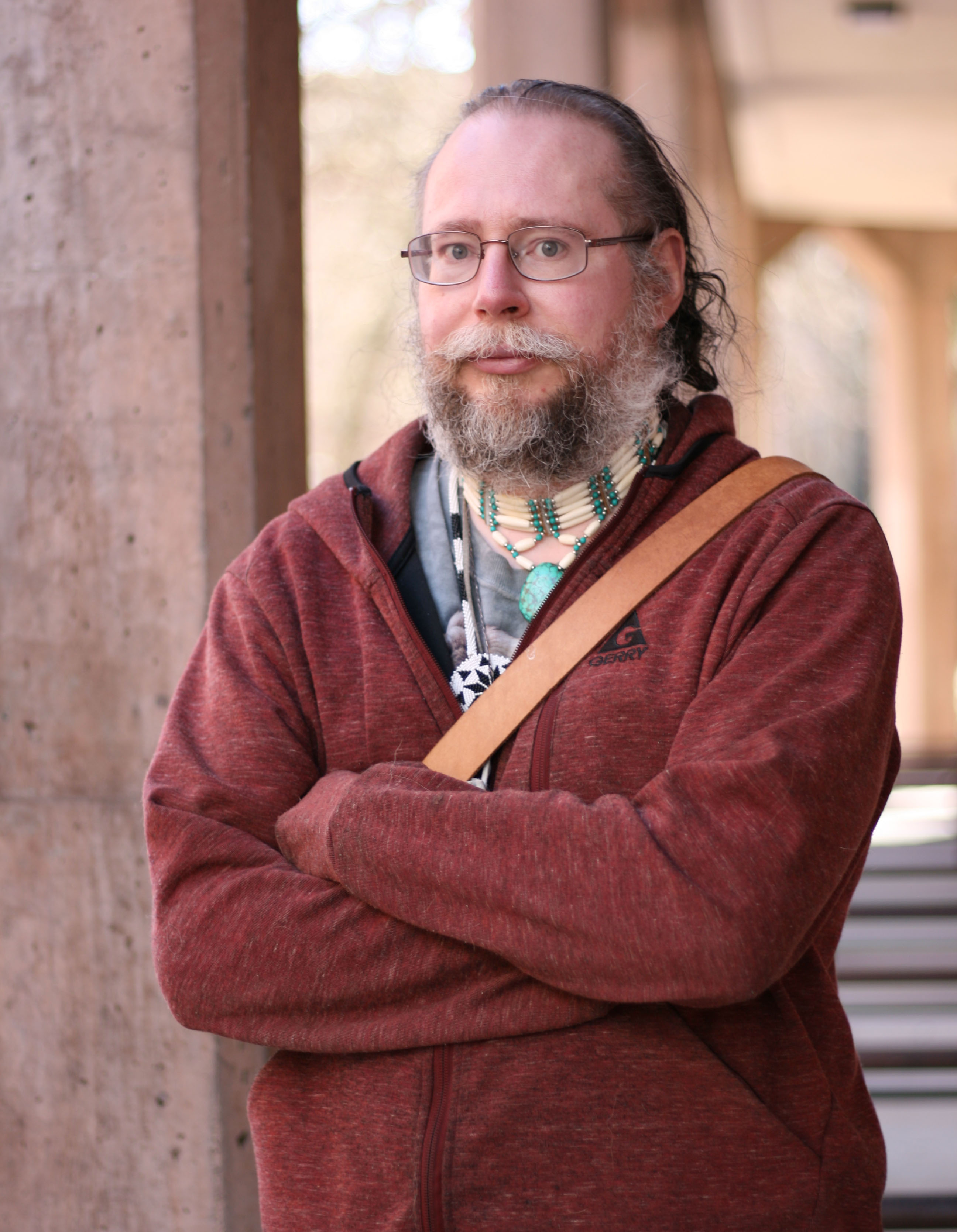
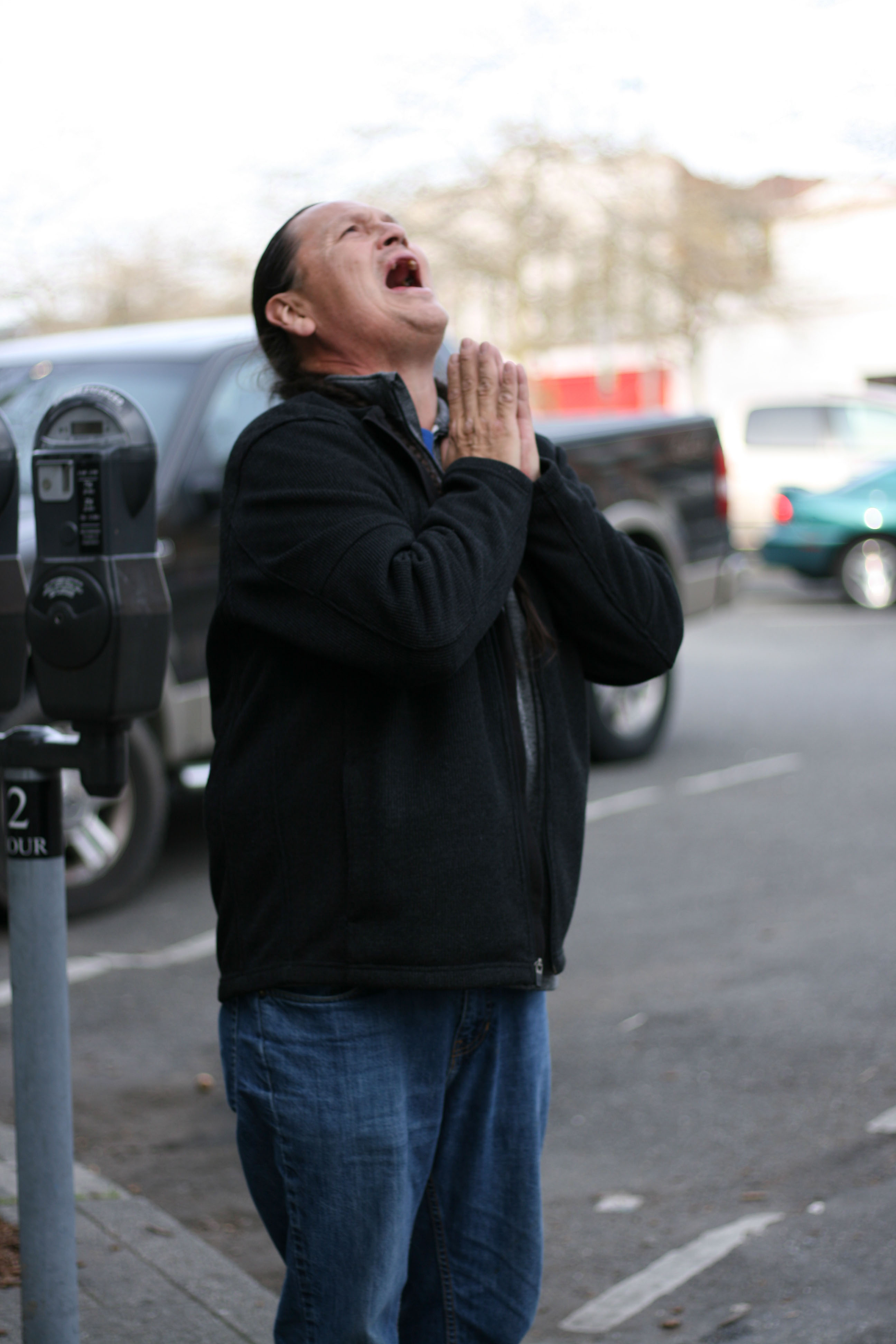
Ward, a member of Lummi Nation: “My favorite childhood memory is picking potatoes for my grandma starting when I was three years old.” Photo by Faith Owens.

The most baffling person I interviewed was named Ward, a member of Lummi Nation located west of Bellingham, Washington. At first glance, he is one of those people that are typically avoided when walking down the street – his demeanor was very sporadic and he spoke fairly loudly. He approached me, going on about how people just don’t say “hello” anymore and pass by without a single glance, and how it made him feel like less of a human being and more like a shadow on the wall.

He went on for a handful of minutes about his Native American history and his family that has lived here for generations. I realized fairly quickly that Ward may have had some form of ADHD and couldn’t keep a train of thought for more than a minute. His stance was uneasy and he swayed from left foot to right foot, his hands making explanatory gestures to compliment his words.

I was so intrigued by him that I decided to ask him to be a part of my assignment. When I asked if I could take his photo, he gleamed and pulled his braids out of his ball cap and unzipped his jacket to reveal a Lummi Nation pullover underneath. He went quiet for a moment, then burst into a tangent about how his land and his family’s land was stolen from him. He got on his hands and knees and asked God why this happened to his people. He was moving in very broad, sweeping, sorrowful movements around the sidewalk and into the parking lot. It was a heartbreaking scene to witness to say the least, but resulted in lots of interesting photos.

Then, as if auditioning for a stage play, he stands up, and shouts “aaaand scene!” I was fairly confused, but at this point not surprised. I got the information I needed and told Ward I had to leave. Before I left, he told me that I was a blessing for taking time out of my day to speak to him and that more people should do so.

Just to get his name, age, and response to a question took about 30-45 minutes total. For others, it took about three.

I learned from this assignment and from Ward that people aren’t so scary when you take a moment to talk to them. Next time you see someone like Ward on the street, say hello. It could change their entire day.

Elliott Erwitt

When I was first assigned Elliott Erwitt as the subject of my photographer essay, I was honestly underwhelmed. The name didn’t ring any bells in my head. Upon just searching his name, I immediately recognized many of his photos and realized that some of my favorite photos are his – I just didn’t know the photographer behind those photos.

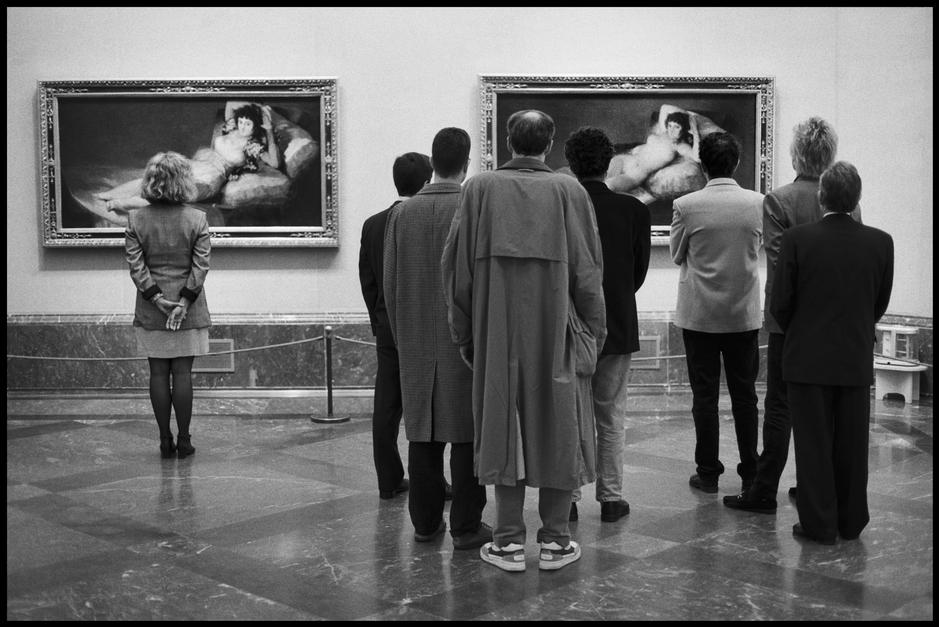
SPAIN. Madrid. 1995. Prado Museum (Museo del Prado).

Elliott Erwitt was born in Paris, France in 1928 and moved to the United States in 1939. As a young teenager in the U.S., he worked in a commercial darkroom, producing signed prints of Hollywood stars. After high school, Erwitt spent his income on a Rolleiflex and turned his home’s laundry room into a darkroom where he developed photos that he took of friends and of weddings for money. Erwitt admitted that he was not initially enthralled by doing photography, but said that it was more exciting than other things he could have been doing. His father was a self-taught photographer, and Elliott decided that it was a “reasonable way to make a living.”

Erwitt studied photography in Los Angeles and New York City and landed multiple jobs before being drafted into the Army in 1951. These included photographing noteworthy authors, being a photographer’s assistant at the Museum of Modern Art, taking photos for the Standard Oil Company, and documenting Pittsburgh. His first nationally published photo came from this documentary project. Just after leaving the Army, he became a member of Magnum Photos and was eventually the president and fought for the photographer’s right to retain copyright over their own photos.

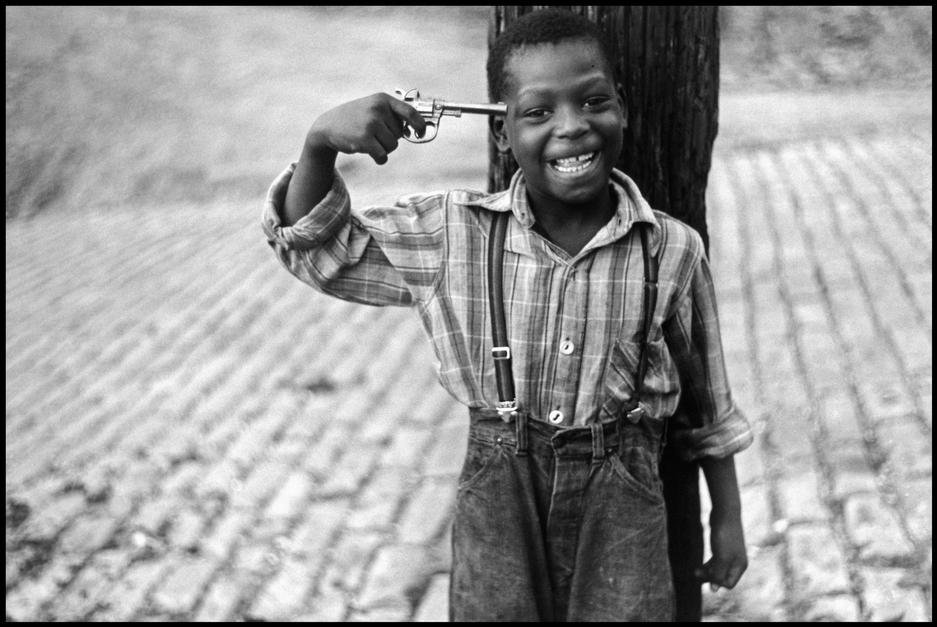
Erwitt showcased the fact that photography can be done anywhere at any time. His photos prove that there is no rhyme or reason to photographs and that anything can be captured and still hold meaning. His photos can be on the lighter side of humor, however some can be unsettling, such as one showing a young African American child holding a gun to his head with a laughable smirk on his face. Versatility is shown both in his photos and his career in which he has been a photographer for news, for corporations and industries, and for himself.

USA. Pittsburgh, Pennsylvania. 1950.

After looking into interviews of Erwitt in the 1970s, I realized that he is fairly humble about his photography. He doesn’t like to assign meaning to his photos and prefers to leave ambiguity to allow room for the viewer to interpret them as they wish. He mentioned that many of his photos are simply “captures”  and weren’t staged or planned ahead of time, allowing for raw honesty from the subject(s). His interpretations of his own photos are much more subdued than those formulated by viewers. For example, when asked about the significance of shooting almost exclusively in black and white, Erwitt said that black and white was simply easier to develop in a darkroom and the end result of the print was more predictable when compared to developing a color photo.

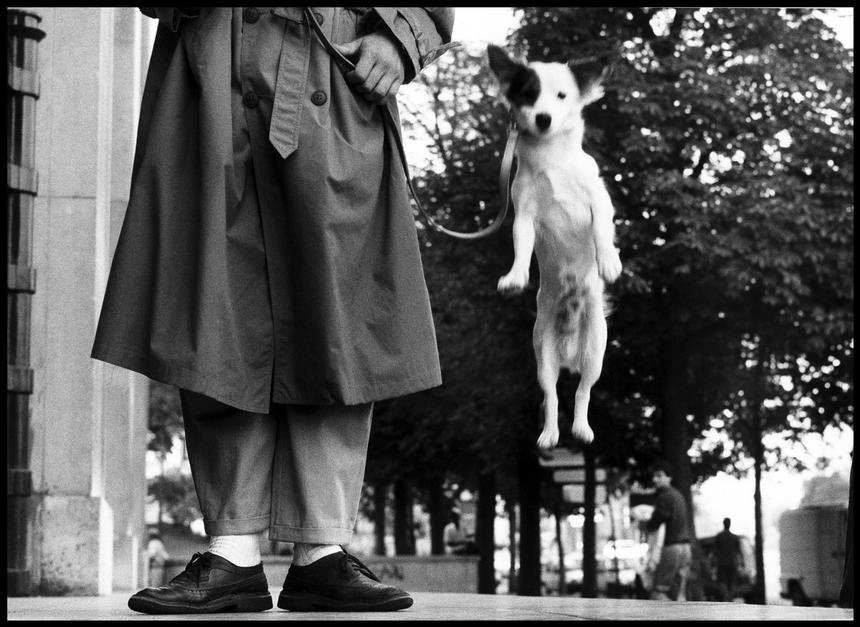
FRANCE. Paris. 1989.

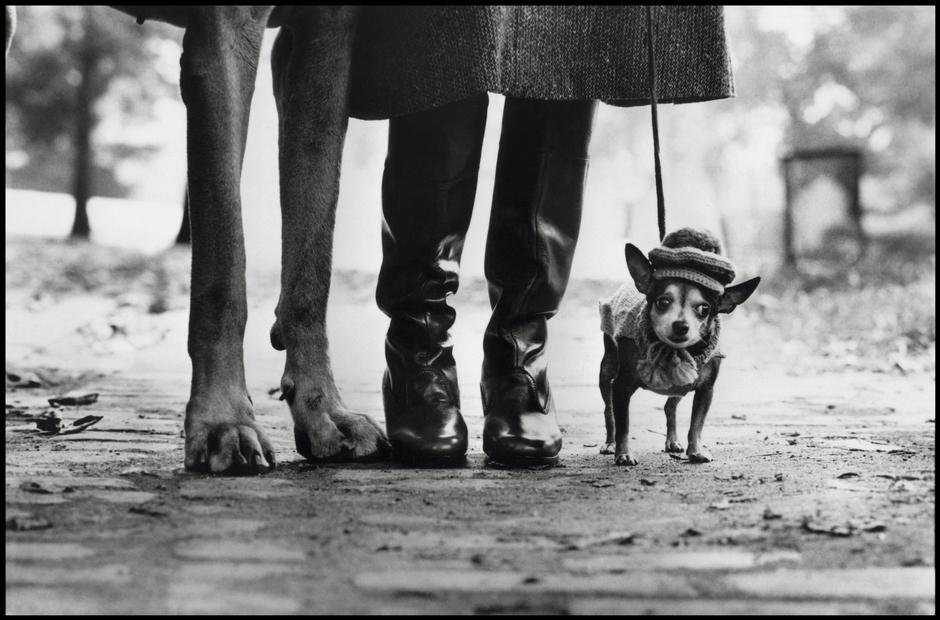
Erwitt’s collection of dog photos are among my personal favorite photos of all time. From just a photo, the viewer can gather information on the character of both the dog and its owner, and possibly how these intertwine. Often, the viewer can get the sense that the dog’s personality mirrors the owner’s personality, or maybe that the dog’s apparent character is forced upon by its owner. The whole story’s interpretation can be found in the single photo.

USA,New York city. New York, 1974. Felix, Gladys and Rover.

I appreciate Erwitt’s ability to visually capture witty, quirky elements of everyday life as they happen and the fact that his photos hold multitudes of meaning within such simplicity. The intimacy of his photos makes the viewer feel like they’re in that moment simply stopping to observe what is happening. His photos capture moments that some of us have possibly witnessed ourselves but carried on with our lives without giving them a second thought. Many of his photos have sparked a desire in me to capture moments of my own – to carry my camera with me everywhere I go and absorb all of the millions of moments that are happening and acquire a new eye for life.

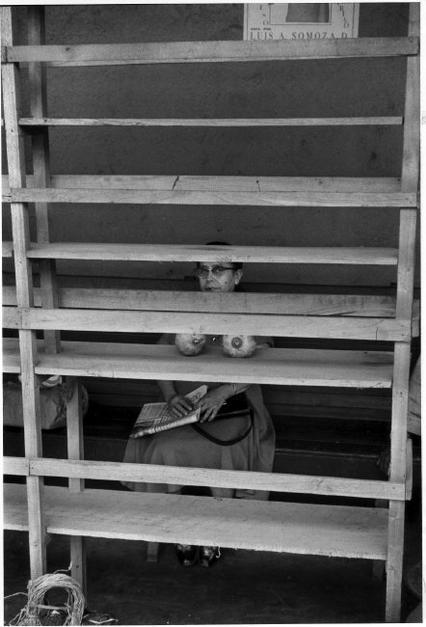
NICARAGUA. Managua. 1957.