
Going up to strangers isn’t easy. Going up to strangers and asking them questions and taking their photos is even more uncomfortable. After approaching over six people for their input and photographs, it didn’t get any less challenging.
I tried to seek out those who were alone, didn’t have headphones in, and didn’t look too busy. I used a quick introduction that wouldn’t scare them off, and an icebreaker that, in this case, was the question, “What is you favorite childhood memory?” This tactic worked well for me, and everyone I approached was willing to give their time to me (although some were a little skeptical about the situation).
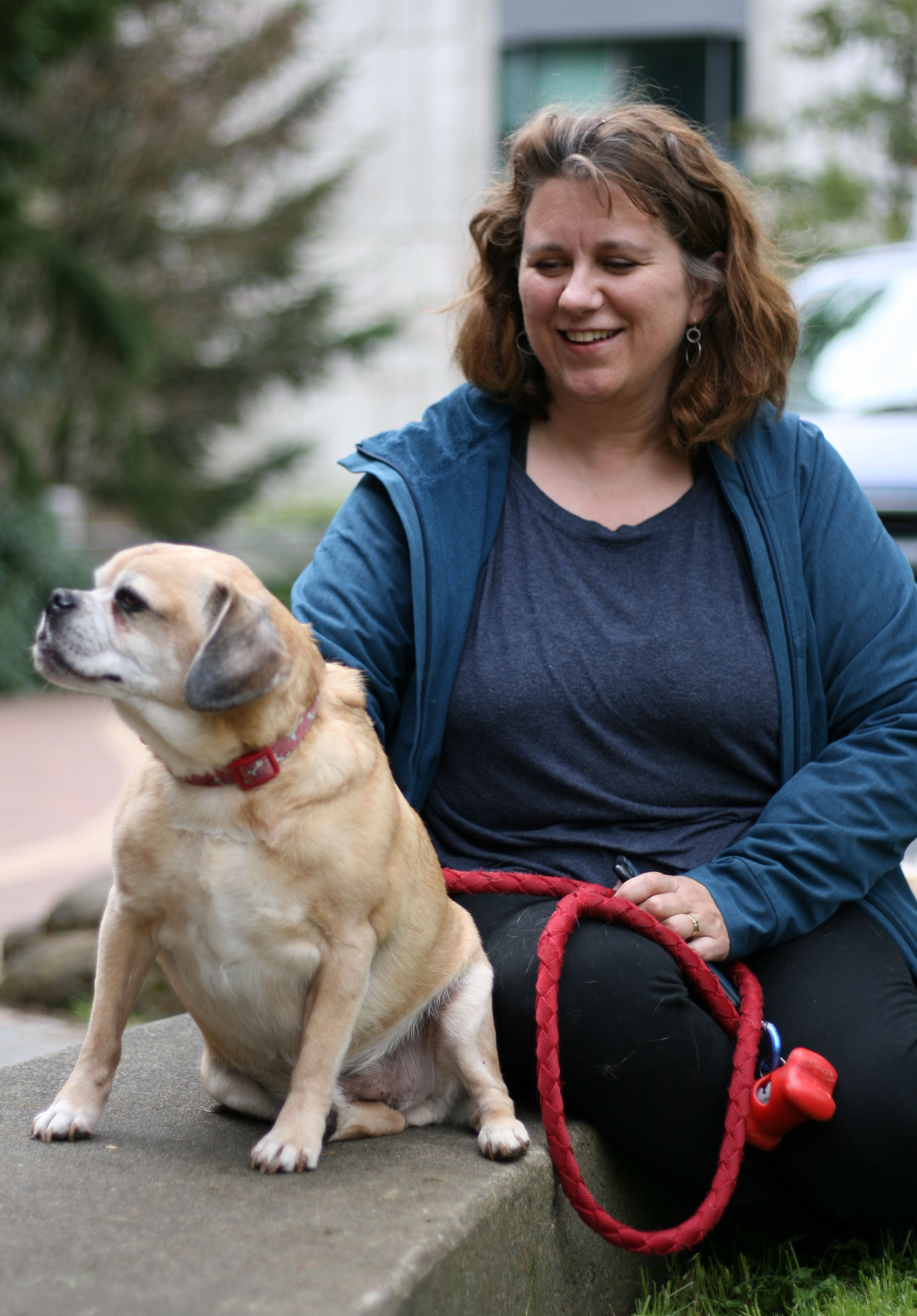
A sense of uneasiness was present every time I had to work up the courage to approach a stranger. I felt as if I was a predator stalking its prey while trying to find a potential interviewee in public. Once the introduction was over and I received the green light to proceed with the questions and photo, I was a little more comfortable. Sparking a conversation with the person about their childhood memory seemed to make them more comfortable rather than simply typing what they said into my phone for the sake of getting information.
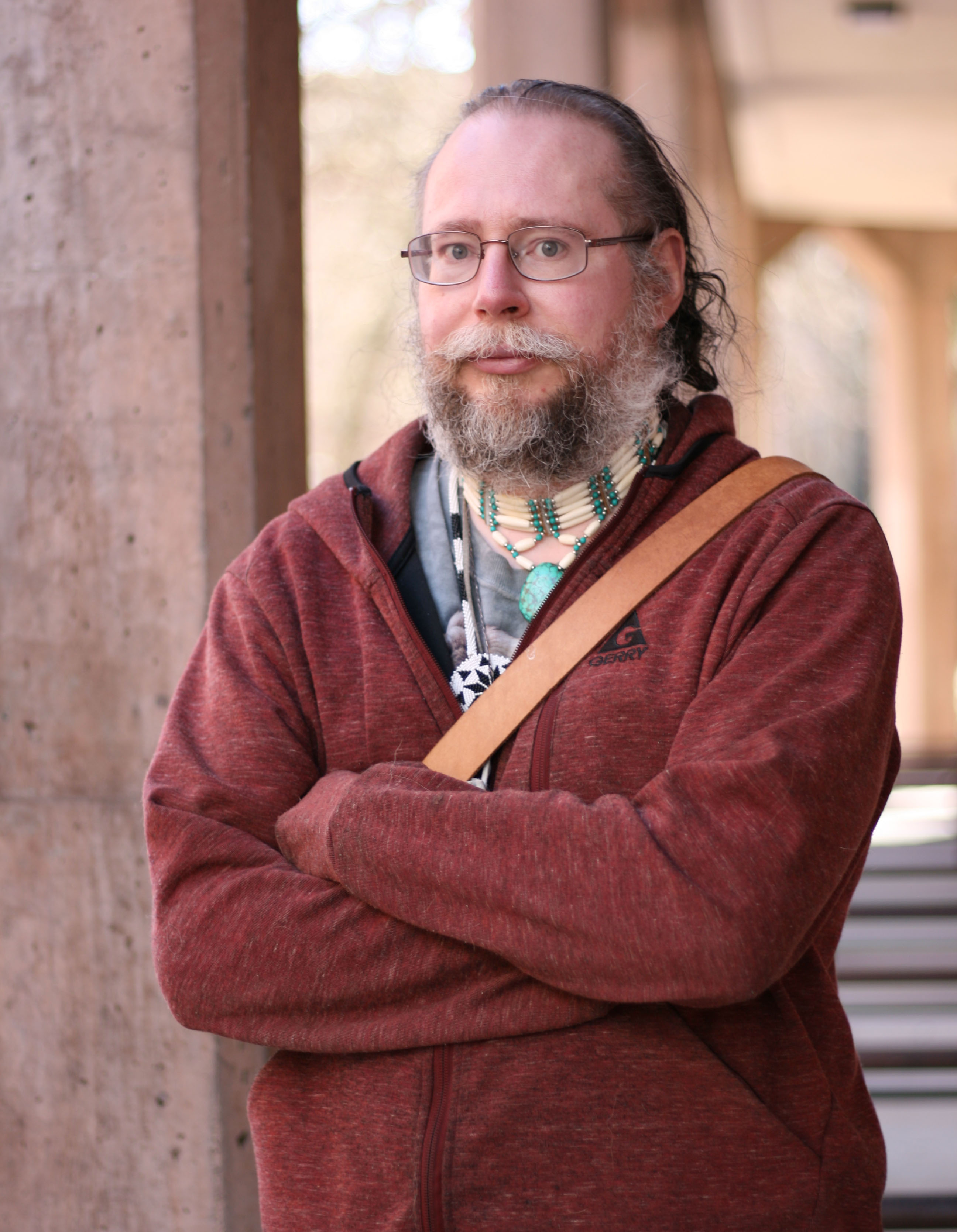
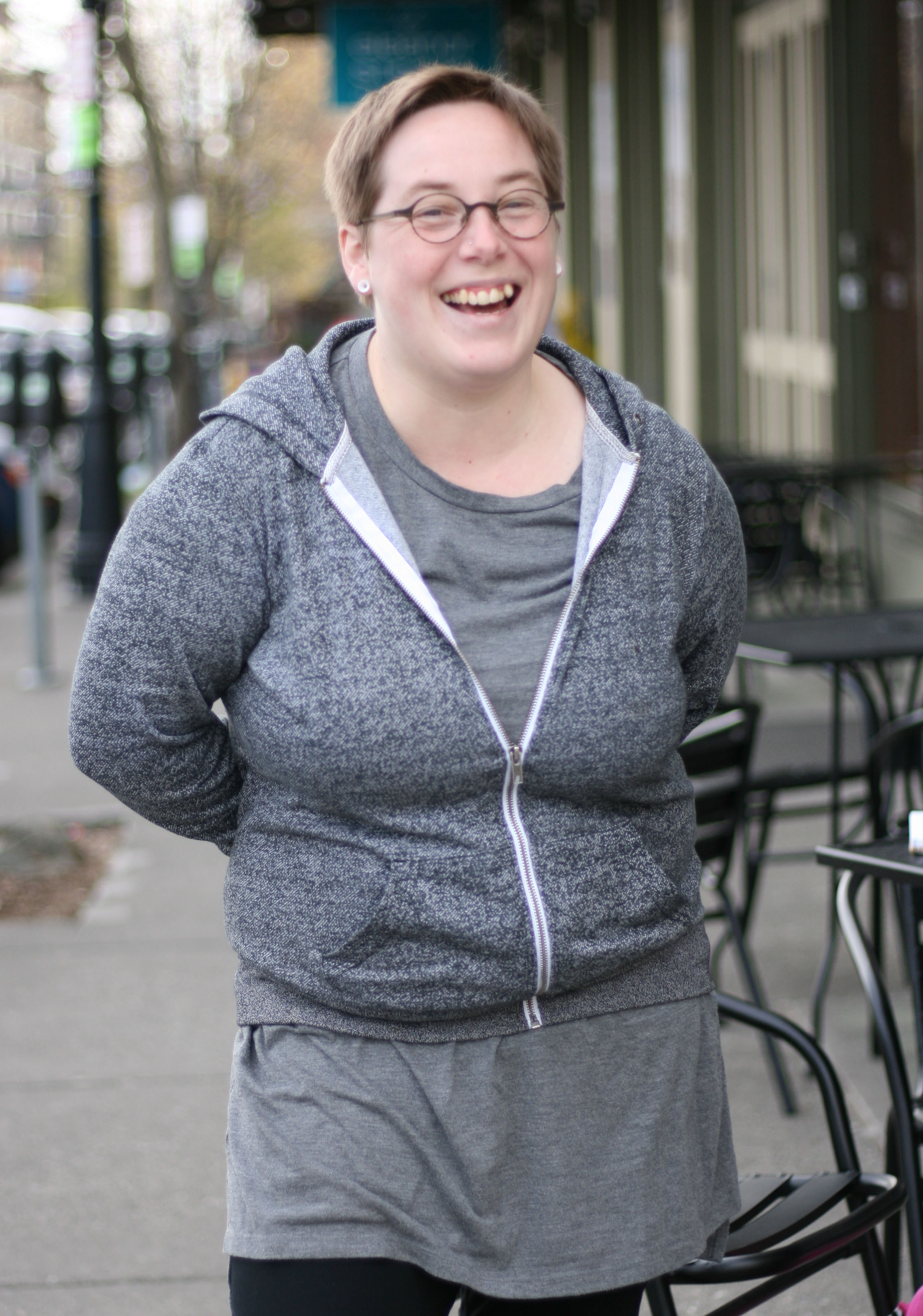
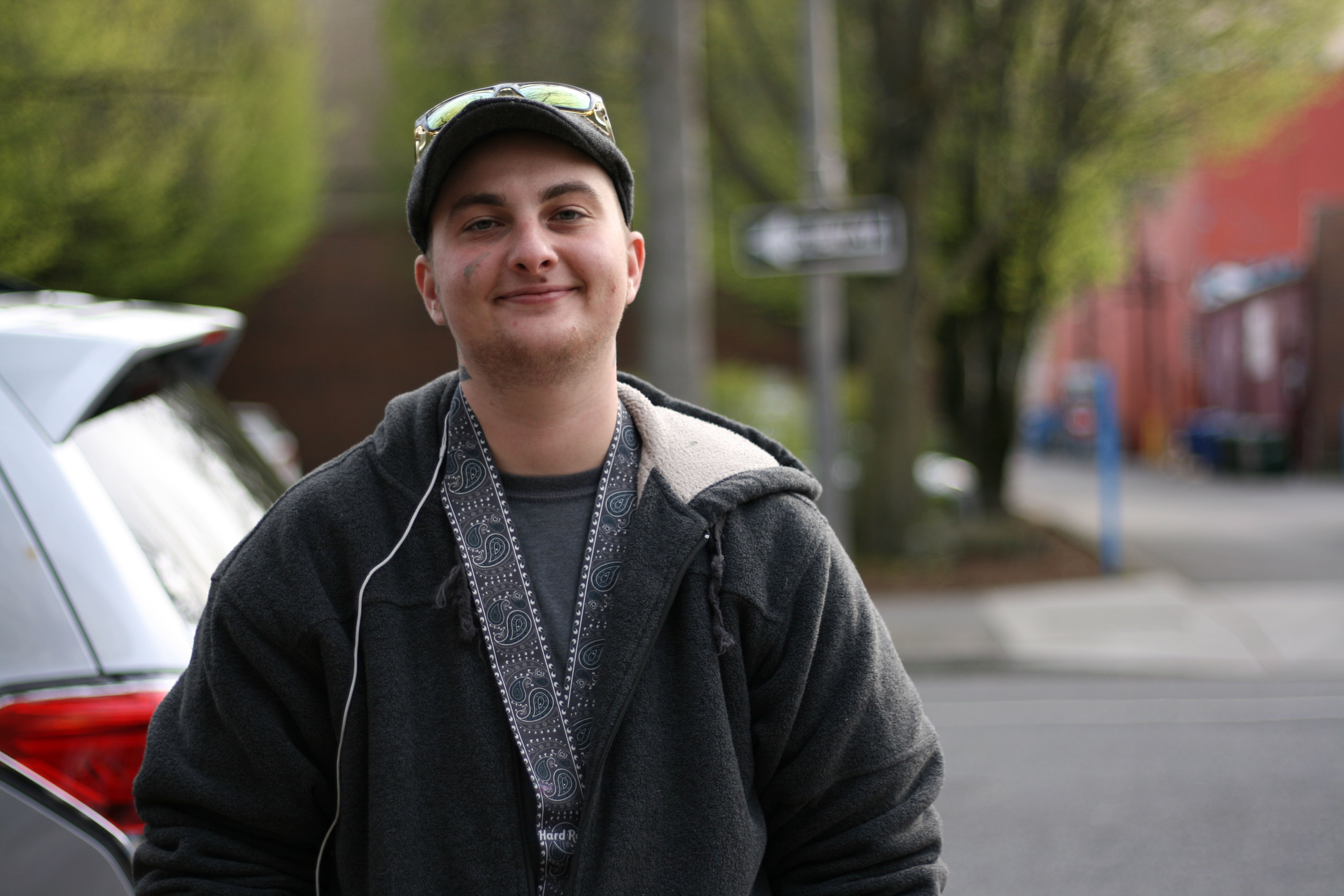
I have always been a person to walk on a street or look out the bus window and wonder what every person I can see has been through. What is their background? What are they thinking about? Do they have a similar life compared to mine? Where did they come from, and why are they right here right now? Are they in their favored place in life at this moment?
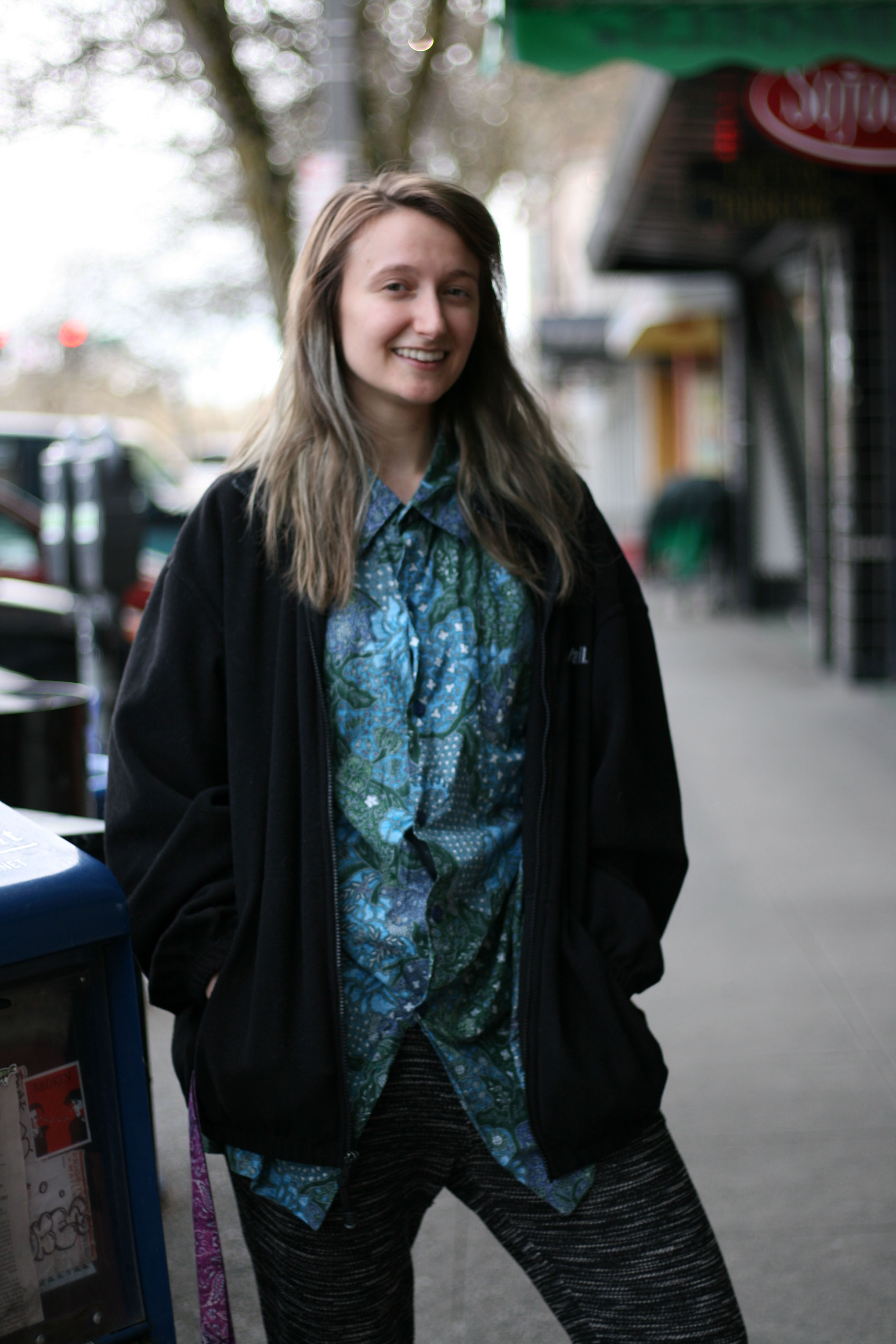
I believe that this project taught me that no two human lives are the same. Not only this, but one’s assumption of another person’s life judging on the person’s exterior can often be far from what one thinks. Each person you see has gone through things that you can’t put a pin on. Each one of us has our story and sometimes it can be a little moment represented in a college sophomore’s photojournalism assignment.
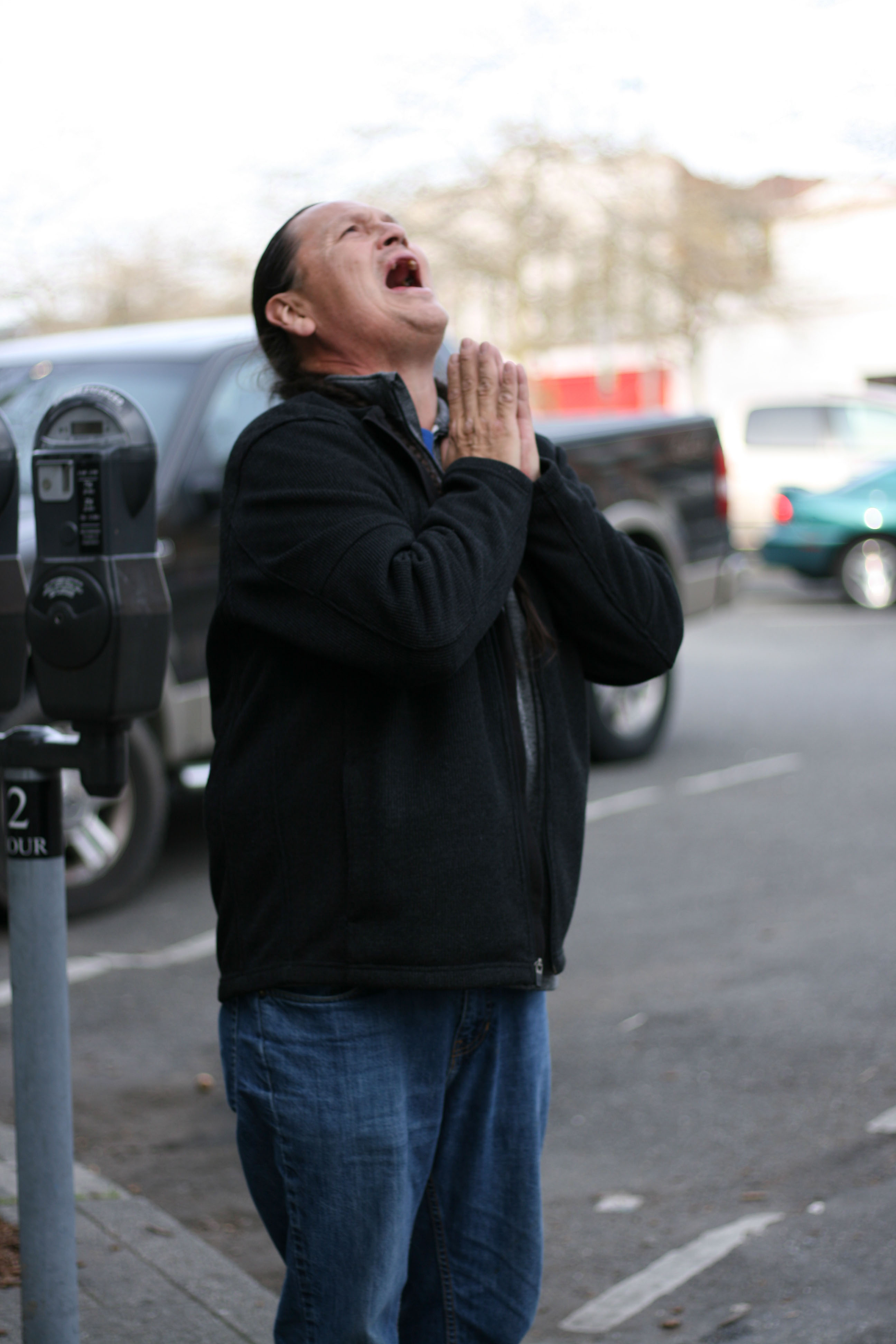
The most baffling person I interviewed was named Ward, a member of Lummi Nation located west of Bellingham, Washington. At first glance, he is one of those people that are typically avoided when walking down the street – his demeanor was very sporadic and he spoke fairly loudly. He approached me, going on about how people just don’t say “hello” anymore and pass by without a single glance, and how it made him feel like less of a human being and more like a shadow on the wall.
He went on for a handful of minutes about his Native American history and his family that has lived here for generations. I realized fairly quickly that Ward may have had some form of ADHD and couldn’t keep a train of thought for more than a minute. His stance was uneasy and he swayed from left foot to right foot, his hands making explanatory gestures to compliment his words.
I was so intrigued by him that I decided to ask him to be a part of my assignment. When I asked if I could take his photo, he gleamed and pulled his braids out of his ball cap and unzipped his jacket to reveal a Lummi Nation pullover underneath. He went quiet for a moment, then burst into a tangent about how his land and his family’s land was stolen from him. He got on his hands and knees and asked God why this happened to his people. He was moving in very broad, sweeping, sorrowful movements around the sidewalk and into the parking lot. It was a heartbreaking scene to witness to say the least, but resulted in lots of interesting photos.
Then, as if auditioning for a stage play, he stands up, and shouts “aaaand scene!” I was fairly confused, but at this point not surprised. I got the information I needed and told Ward I had to leave. Before I left, he told me that I was a blessing for taking time out of my day to speak to him and that more people should do so.
Just to get his name, age, and response to a question took about 30-45 minutes total. For others, it took about three.
I learned from this assignment and from Ward that people aren’t so scary when you take a moment to talk to them. Next time you see someone like Ward on the street, say hello. It could change their entire day.
 F.Owens Photo